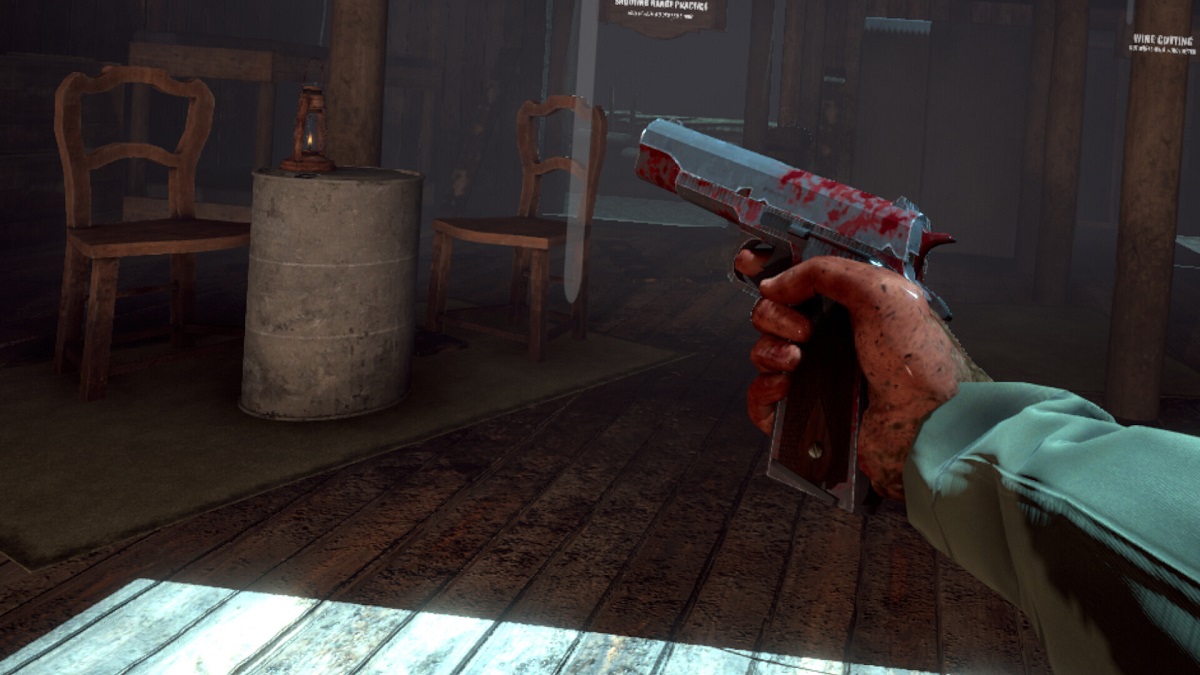
The VR horror title Trenches VR, developed by Steelkrill Studio and published by Perp Games for the Meta Quest platform as a VR adaptation of an earlier game, attempts to plunge the player into the trenches of World War I with a survival-horror twist. At its core, the game positions you behind enemy lines as a soldier trying to return to your family, armed only with a trench whistle, your wits and a microphone that foes can overhear – an intriguing premise that leans heavily into the immersive potential of VR.
From a narrative and setting perspective, the ambition is clear: to use the claustrophobic environment of a WWI trench as the locus of psychological terror. That is an interesting foundation. Yet the execution reveals cracks. While the atmosphere of mud, narrow wooden walkways and looming dread is realised, the historical backdrop feels under-exploited – character depth is shallow, and the monstrous elements shift the experience into generic horror terrain rather than integrating meaningfully with the Great War setting. Consequently, what could have been a compelling exploration of trauma in wartime becomes instead a series of frightful moments with less contextual weight than the setup promises.
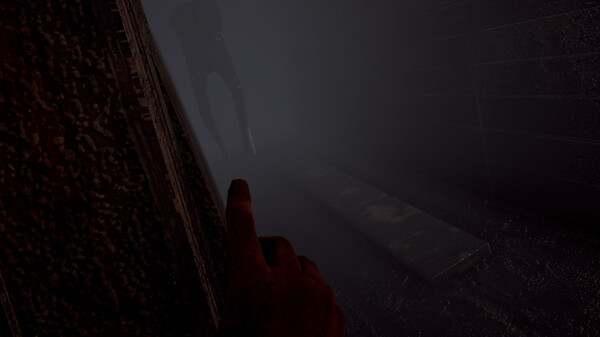
In terms of gameplay mechanics, Trenches VR presents some standout ideas. The use of microphone input – where your breathing, footsteps or spoken words can alert enemies – is a clever and under-used VR trick that indeed produces tense, memorable moments. The whistle tool to mark walls, the hidden objects (baby dolls), and the branching layout with randomized scares also work to keep each play-through feeling fresh. However, beneath these innovations lies a more rudimentary structure: a cramped corridor loop, episodic jump scares, and little strategic depth beyond “quiet, move, hide.” Many interactions feel superficial – guns that don’t shoot effectively, items that glitch, and pacing that often collapses into repetition. For players seeking more than surface-level tension, the loop may feel shallow.
The control scheme and VR comfort are adequately handled. The game supports standing or room-scale play, offers both snap and smooth turning, and includes necessary comfort features like vignetting when turning. Physical interactions (cutting wire, hiding under bunks) are serviceable though not always polished; occasional clipping issues and inconsistent hand-object behaviour detract from immersion. Still, for a modestly-sized VR title, the controls are competently implemented and give enough room for the audio-visual design to carry much of the load.
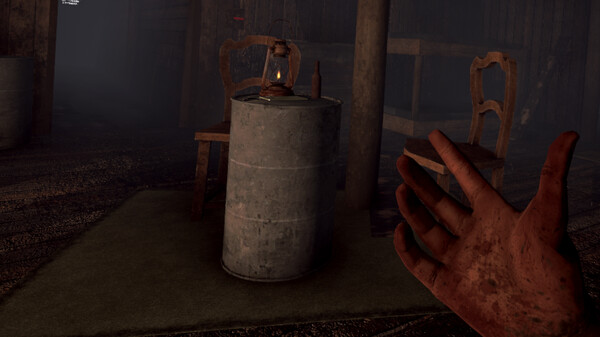
Visually and aurally, Trenches VR shines most in its audio. The sound design – creaking floorboards, empty trench echoes, distant artillery, your character’s racing breath – is genuinely strong and helps anchor the experience. Visually, the environment succeeds in evoking claustrophobia and dread, yet it remains somewhat repetitive and low on variety: muddy wooden corridors, limited enemy models, and few distinctive vistas. The monster design, while serviceable, lacks the creative flair or horror identity that would elevate it beyond “just another chasing creature.” The frequent jump scares deliver moments of startled fright, but the lack of build-up and contextual horror means that novelty fades rather than escalates.
As an overall experience, Trenches VR will deliver for players who enjoy short, intense VR horror sessions, particularly those who relish being startled and physically tense in their headset. The game’s roughly one-to-two-hour playthrough and its one-save file structure heighten the stakes. Yet for those seeking a deeper psychological or narrative experience, or a VR horror with systemic complexity, it may feel like it has good ideas that don’t fully bloom. It remains a competent package with standout moments, though one held back by its ambition partly exceeding its execution.
In summary, Trenches VR succeeds at being a visceral, immersive scare ride in VR, especially thanks to its microphone-listening mechanic and strong soundscape. But it falls short of realising the full potential of its WWI setting, and many of its mechanics and visual elements are serviceable rather than inspired. If you go in expecting a haunted maze with your voice betraying you, you’ll find a solid one. If you expect a landmark VR horror that reshapes the genre, you might leave wanting more.
Score: 6.4/10
 Press Play Media
One thought on “Trenches VR review (Quest)”