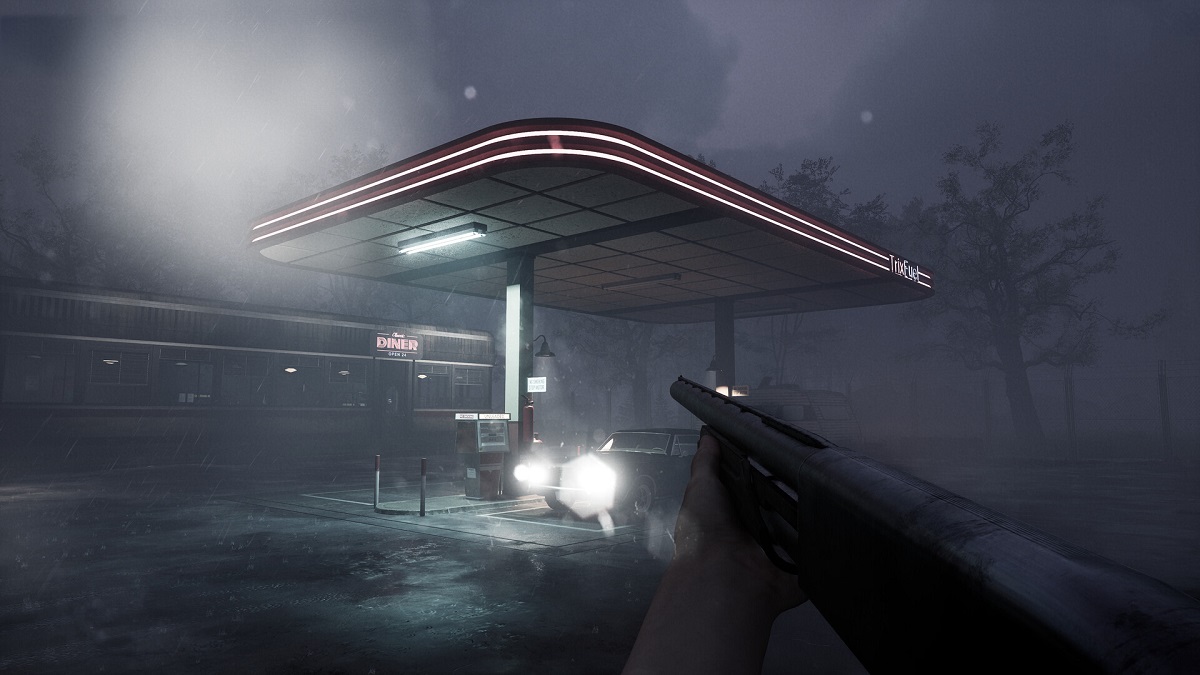
From the moment you begin, A.I.L.A. plunges you into a hauntingly original premise. As Samuel, a beta-tester who receives the titular AI system to trial, you’re lured into seemingly innocuous VR horror scenarios – only to have the walls between simulation and reality slowly crumble around you. The core idea – that an AI constructs personalized nightmares drawn from your deepest fears — feels audacious and unsettling, and for large stretches, the game leans into that psychological terror in a way few horror titles do.
Narratively, the shifting horror subgenres – from claustrophobic psychological horror to gothic medieval dread to visceral undead combat – give the experience a chameleonic quality. Each simulation feels like a mini-game, yet they all tie back to the same overarching paranoia: trust nothing, not even what seems real. The variety keeps the journey unpredictable and, at its best, disquieting in a very effective way.
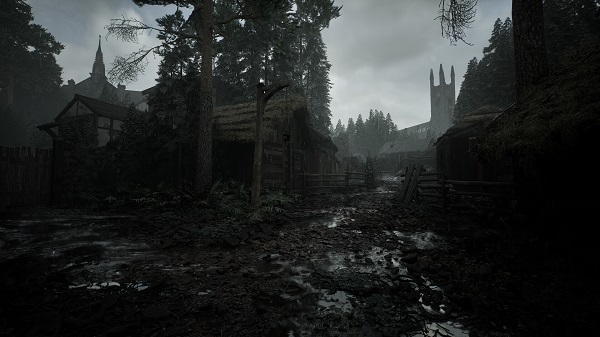
Visually and aurally, A.I.L.A. delivers strong punches. Built in Unreal Engine 5, its environments range from oppressive corridors and decaying castles to haunted woods and futuristic apartments – all with detailed lighting and atmosphere that heighten dread rather than relying on cheap scares. The sound design further amplifies this: ambient noises, eerie silences, distant whispers or sudden creaks contribute more to tension than gore or jump-scares. There are moments where the horror works less by what you see and more by what you feel.
But this ambition isn’t always matched by mechanical polish. The combat – both melee and ranged – can feel sluggish, with hitboxes sometimes inconsistent and feedback lacking. Encounters with enemies or bosses occasionally devolve into frustrating endurance tests rather than tense showdowns. These rough edges undercut the immersion when tension gives way to clunky action.

Puzzles and exploration are among the stronger pillars of the experience. The necessity to search, collect keys, solve cryptic puzzles or decode environments pushes the player to pay attention – not only to visual cues but also narrative hints. That said, the pacing can suffer: some simulations feel long and meandering, and occasional back-tracking or unclear navigation weakens the sense of dread built up earlier.
In spite of those flaws, A.I.L.A. remains a bold, creative horror title. It doesn’t just pay homage to classic horror games – it retools their ideas around a central sci-fi conceit that turns fear into something personal and mutable. For players willing to lean into its atmosphere more than its action, it delivers moments of real unease and psychological weight. The result isn’t perfect, but it’s memorable: a game that refuses to settle for cheap scares, instead offering a disturbingly personal horror that lingers.
Score: 7.3/10
 Press Play Media