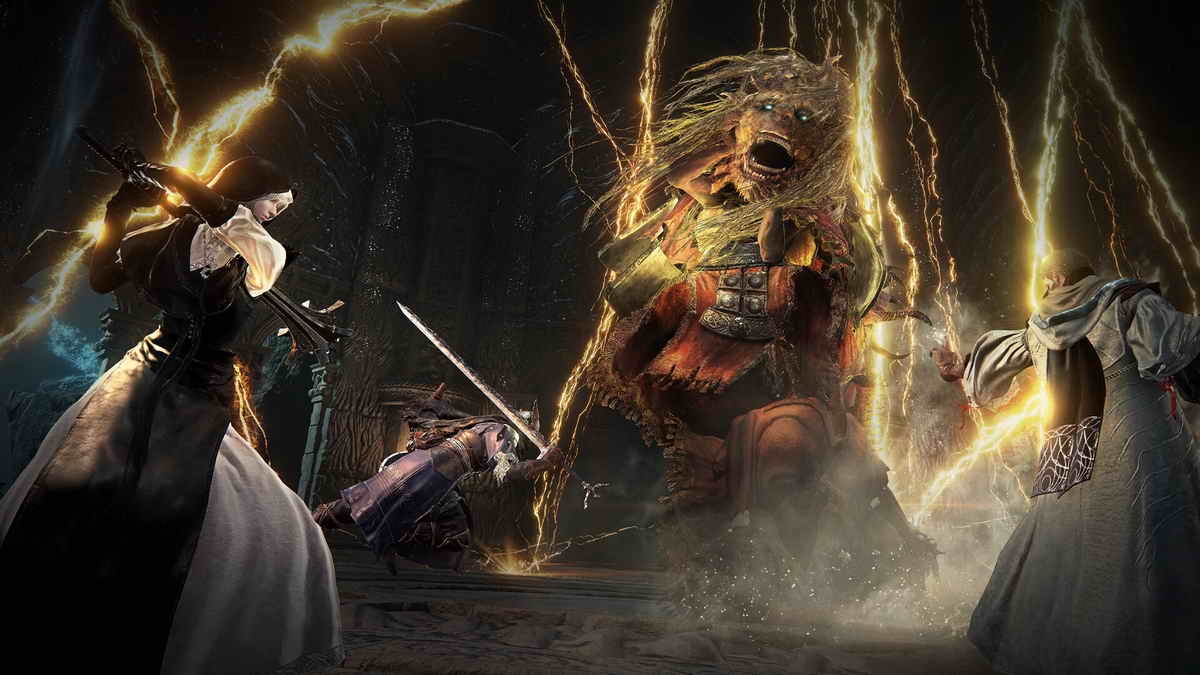
Across genres and platforms, this latest wave of DLC releases shows developers stretching their existing worlds in markedly different directions – some chasing high-stakes challenge, others leaning into narrative experimentation, mechanical variety, or pure environmental immersion. From the shadow-drenched labyrinths of Elden Ring Nightreign’s first major expansion to the tongue-in-cheek chaos of Dungeons 4’s newest campaign, the ideological city-building of Frostpunk 2, and the windswept realism of a fresh hunting reserve in Call of the Wild, each add-on tries to carve out its own identity while extending the appeal of its parent game.
Elden Ring Nightreign – The Forsaken Hollows review (Xbox)
With The Forsaken Hollows, Nightreign gets its first proper expansion – and it shows both the ambition and the limits of what a DLC can realistically deliver. The new map, a warped and vertical labyrinth of crystals, cursed towers and shifting corridors, immediately sets a darker, more oppressive tone: exploration now feels more treacherous, with bottomless pits, sudden drops, and a sense of constant peril that keeps you alert. This unforgiving verticality makes traversal a test of patience and caution: one wrong step or a careless timing can send you plummeting, or leave you at the mercy of environmental hazards like storms and cursed miasma.
Combat and character variety remain the strongest aspects. The two new Nightfarers – the support-oriented Scholar and the aggressive, high-mobility Undertaker – bring a fresh approaches to fights. Scholar’s debuffs and item-enhancing passives offer a more tactical playthrough, while Undertaker’s brutal ultimate and evasive skills make her the fastest path to chaos in a team run. In practice, Undertaker often becomes the star: her surge-attacks feel impactful, and when well-played, she can turn even a desperate encounter into a decisive win.
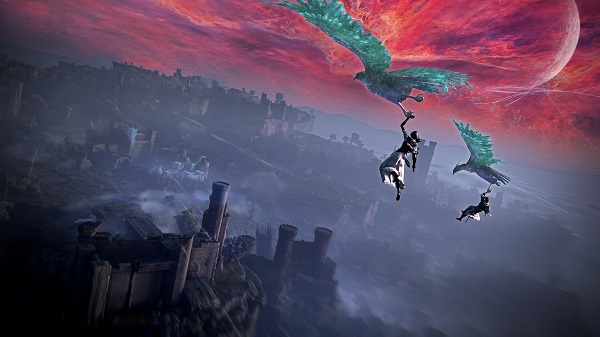
Boss design and set-piece encounters also show off the DLC’s strengths. Several of the Day-Three bosses deliver visceral, high-stakes battles with dramatic choreography that harken back to the best moments of the base game. There’s an unmistakable “Souls-feel” when you fight them: aggression, risk, and reward entwined. For players who embraced the harder, more punishing side of Nightreign, these confrontations are precisely the kind of adrenaline-rush they signed up for.
Yet for all the highs, Forsaken Hollows sometimes feels underambitious in its scope. Outside of the two new classes and the stages tied to them, there’s little new in the way of weapons, spells or items – and even the handful of new weapons amount to reskins rather than fully original gear, which undercuts the sense of novelty (and one of the core appeals of the Elden Ring legacy). For many, that lack of tangible additions – combined with the steep difficulty and often punishing level design – makes the DLC feel like a double-edged gift: a delight for hardcore souls aficionados, but a tough sell for more casual players or anyone expecting a full-fledged expansion.
Dungeons 4 – Double Trouble review (PS5)
Realmforge Studios’ Double Trouble DLC for Dungeons 4 aims to expand the game’s mischievous tone with a new four-mission campaign that doubles down on its familiar heroes, villains, and chaotic narrative structure. The premise of pairing Thalya with an alternate-reality version of herself provides fertile ground for banter, and the writing embraces the heightened absurdity with confidence. The new narrator also maintains the series’ trademark pacing and comedic timing, and the story maintains the flavour of the base game. The length of the campaign is modest, and perhaps the expansion could have pushed its narrative stakes a little further.
Mechanically, Double Trouble introduces Dark Elf units alongside taming mechanics and additional room types, creating a refreshing first impression. These units are enjoyable to command, and the ability to tame creatures adds a quirky layer to dungeon management. However, enthusiasm is tempered by how limited these additions feel once the novelty wears off – the Dark Elves lack meaningful upgrades and behave more like a supplementary roster than a fully realised faction. Their strength can also disrupt balance, as it can diminish the need for careful resource management.
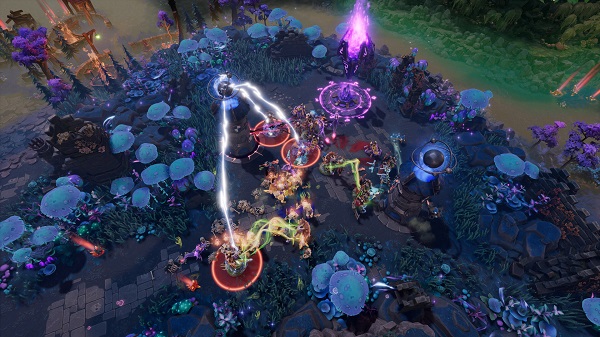
The DLC’s presentation largely matches the production values of the main game. Visuals and audio maintain the stylised energy the series is known for, with night-time boosts for Dark Elf units introducing subtle but appealing changes to overworld encounters. Voice acting continues to be a highlight, and controls remain consistent with the base game, though the simplicity of the new content means they are not significantly tested.
As a package, Double Trouble delivers several hours of additional gameplay, with around four hours for a first run and some replay value if the new mechanics appeal. For dedicated fans, it provides a fun extension of Dungeons 4’s personality and humour, but those hoping for a more substantial or transformative expansion may find the content lighter than expected.
Frostpunk 2 – Fractured Utopias review (PC/PS5)
The first DLC for Frostpunk 2 sees its sandbox-focused Utopia Builder mode dramatically evolve – factions are no longer interchangeable nuisances but full-fledged ideological classes with distinct “Utopia Trees,” unique laws, buildings, and abilities. What once felt like simple faction friction now carries real weight, letting you shape your city in genuinely different ways depending on who you side with. Unlocking each faction’s tree feels like choosing not just a strategy, but a vision for the future of your society – and that shift makes every playthrough meaningfully different.
Alongside that structural depth come the new narrative layers: over a hundred events, two “Tales” add-ons (“Doomsayers” and “Plague”), a new map, and faction-specific hubs and housing variants. For players mostly done with the main campaign, this injects fresh replay value and narrative flavor, and adds a sense that Utopia mode is now a full second core of the game rather than an afterthought.
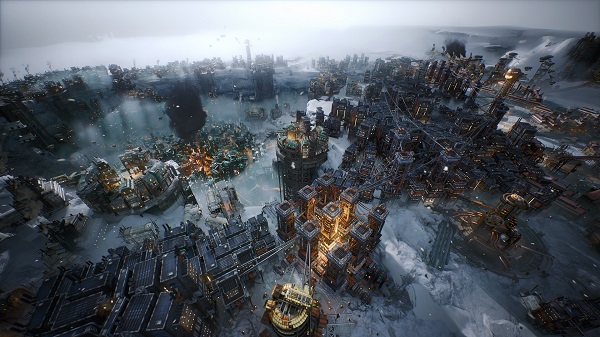
That said – the shift is not without its trade-offs. Some of the new faction systems, while mechanically different, end up feeling more like numerical buffs than morally weighty dilemmas, which may underwhelm players hoping for the dramatic, emotionally charged storytelling of the original game’s expansions. And with more emphasis on optimization and repeatable runs, the stark human suffering and emotional resonance that defined the first Frostpunk’s DLCs seems diluted, replaced by strategic calculation and long-term planning.
On the technical and presentation side, the visual clarity and aesthetic consistency remain strong – though the expanded scope of colonies and faction-specific districts can make the game feel more abstract and less personal than earlier entries. For players who enjoy big sandbox strategy, the added mechanical depth and variety in Fractured Utopias is welcome; for those who came for intimate moral stories or brutal survival tension, it may feel like a diversion into a more detached mode of play.
Overall, Fractured Utopias succeeds – perhaps not by delivering more tragic tales of survival, but by turning Utopia mode into a meaningful, replayable sandbox of ideological conflict. It won’t satisfy everyone, but for those ready to build a city defined by conviction rather than just survival, it’s a robust and worthwhile expansion.
theHunter: Call of the Wild: Scotland Hunting Reserve review (Xbox)
The Scotland Hunting Reserve DLC for theHunter: Call of the Wild introduces a striking new location for players to explore, with Expansive Worlds leaning into the dramatic natural profile of the Highlands to deliver one of the game’s most atmospheric settings yet. Towering ridgelines transition into valleys and lochs with enough visual variety to reward long excursions, while Gaelic-inspired audio reinforces the sense of place. The new reserve also folds in a more mission-rich structure than previous packs, guiding hunters across its diverse biomes and letting them appreciate both its views and its culture-infused landmarks. It creates a strong first impression, particularly for players who value immersion and the meditative rhythm of tracking and observation.
In terms of gameplay, the broad roster of species ensures that there is nearly always something to pursue, from familiar deer varieties to an array of smaller animals that cater to different loadouts and hunting styles. The expanded mission count provides a motivated path through the reserve, and the new semi-automatic shotgun adds welcome flexibility for close-range encounters. Wide-open areas make it easier to scout from afar, which benefits intermediate players transitioning into more advanced tracking. However, this breadth does not always translate into depth. Several species choices feel off though, with some non-native inclusions and remodels that feel out of step with expectations for a Scottish reserve.

Technical stability also affects the experience, as we had some missions that failed to register upon completion. Certain terrain types are also less enjoyable to work through, with dense shrubbery and swampy areas making it easy to lose track of downed game. Asset reuse in select structures and environmental details may further reduce the novelty for long-time players.
Perhaps the biggest point of contention is the new Great One. Instead of offering a standout, thematically resonant challenge, the wild boar variant feels visually unremarkable and conceptually mismatched with the location, diminishing the sense of chasing a rare trophy. Combined with some wildlife behavior quirks and population imbalances, the reserve delivers a mix of strong atmosphere and uneven execution. However, for hunters who approach the game as a vehicle for exploration and mission-driven progression, the DLC offers considerable value and hours of content.
 Press Play Media