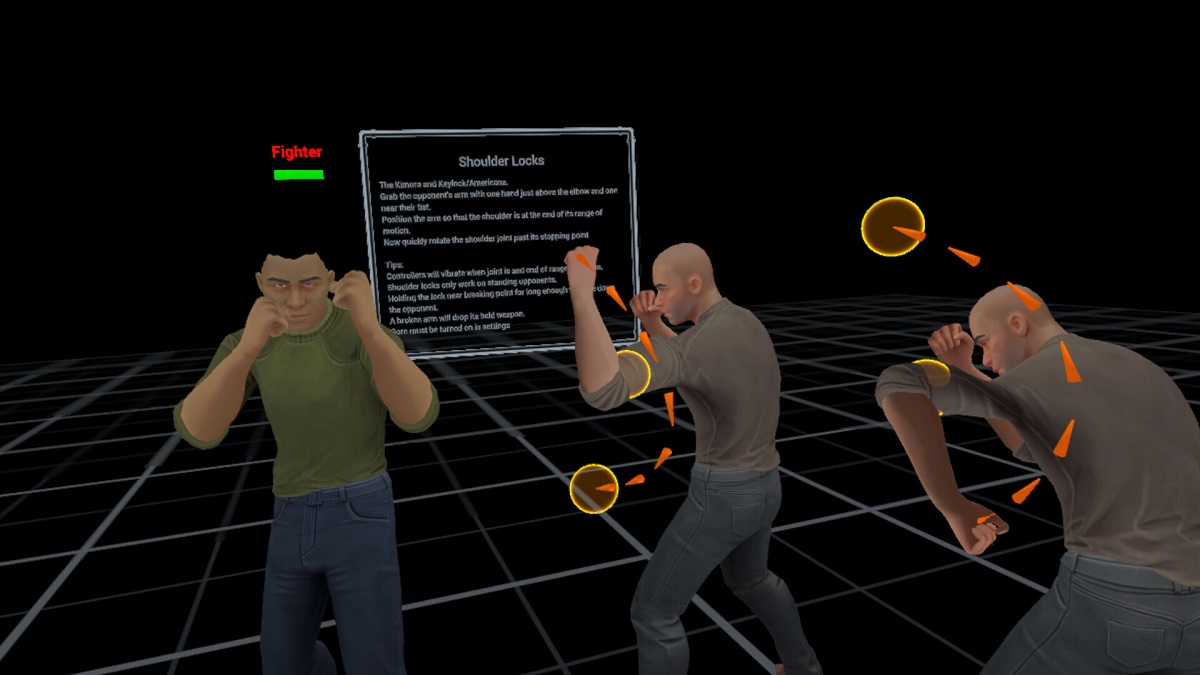
When Haymaker burst into Early Access on Meta Quest this past November, Console Studios’ debut VR brawler made a splash with its uncompromising, physics-first approach to melee combat – a system designed to make every fistfight feel visceral, unpredictable, and earned. Built by founder James Console and his Kansas City–based outfit, the title eschews canned animations in favor of active ragdoll physics and gesture-driven strikes, inviting players to punch, kick, and grapple their way through gritty encounters where environment and timing matter as much as technique. In this wide-ranging interview, Console digs into the inspirations behind Haymaker’s core mechanics, the challenges of crafting intuitive input mappings, how Early Access feedback is shaping combat and AI, and what recent additions like dodge-to-counter and expanded kicks say about the game’s evolving identity.
What inspired Haymaker’s physics-first approach to melee combat and how did that vision shape early prototyping?
I’ve always been a fan of physics-based games for their replayability and emergent gameplay qualities. Playing VR fighting games left me wanting a better system for enemy reactions and interactions. When prototyping the game, I essentially first spent all the time making a single guy that I’d punch, and I iterated until I found the right feel. It took a very long time.
The game emphasizes authentic body mechanics with gesture-based kicks and physics-driven hands – how did you iterate on input mapping to make actions feel intuitive and satisfying?
I’m really proud of the kick gesture system, and it still has a lot of room for improvement. I wanted to use the back/external rotator muscles that often get neglected in boxing workouts – so it’s a mix of trying to mimic the intuitive balancing action of the arms during the chosen kick (if you were to do the kick in real life) and trying to work a good mix of muscles.
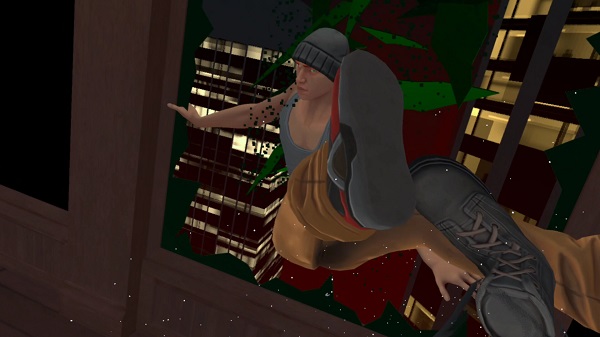
How do playtests and community feedback during Early Access influence the design priorities for combat, AI, and progression systems?
Play testing is revealing some strong signals on what people want. The first months here of Early Access have been more about me reducing player friction/bugs and fixing low-hanging fruit type issues like the game’s appearance and control options. When I get to the combat design, it seems many want more power fantasy (e.g. to grab enemies easier) than a technical skill-based leaderboard game, and that is a tricky fork in the development road. I really want a competitive leaderboard game with a skill curve, and I really want to let people fully explore and live out said power fantasies. Figuring that out will take some time and patience.
The recent update added dodge-to-counter, roundhouse and crescent kicks, and an expanded enemy moveset – what prompted those specific additions and how have players responded so far?
I added those in order to qualify for a podcast showcase – so that I had an update of sorts that they could debut. Honestly, the kicks were rushed, and they’re not my favorite. The dodge-to-counter has worked pretty well. I think the players have liked both, but they aren’t marquee features.
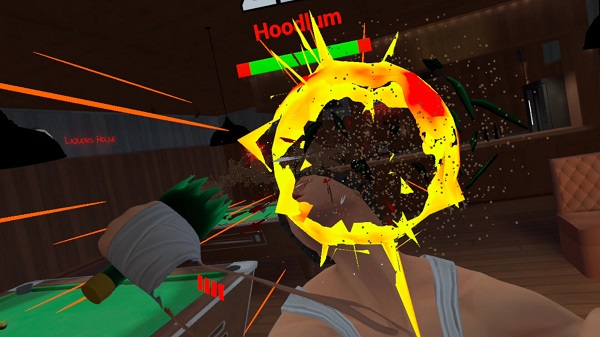
Haymaker uses active ragdoll characters and adaptive AI – what were the hardest problems in making reactions feel believable without breaking gameplay consistency?
Getting the physical animation/ragdolls right took a LOT of time, and it still needs some improvement. There’s a balance between having the characters be challenging in their attacks, yet having them physically respond to player hits. If an enemy is throwing a combo at you and you land a powerful punch, it can look odd to have the enemy snap into their next attack mid-hit reaction. This connects to the issue of making the game skill-based and challenging – I can’t let players just interrupt enemy combos with a quick jab.
How do genre conventions translate into a physics‑driven VR brawler?
That’s an interesting question. I rank genre conventions pretty low when making game decisions. There’s a gritty, dark-alley feel I’d like to create in the spaces/art, and I try to follow the faster pace of brawlers in terms of how quickly you can dispatch lower-level enemies, but I don’t venture into scripted player finishers or unrealistic physical interactions. With the sandbox mode, I plan on embracing the power fantasy, and this may lean into a more arcade-y experience, but pushing the physics can often lead to immersion-breaking jank.
 Press Play Media