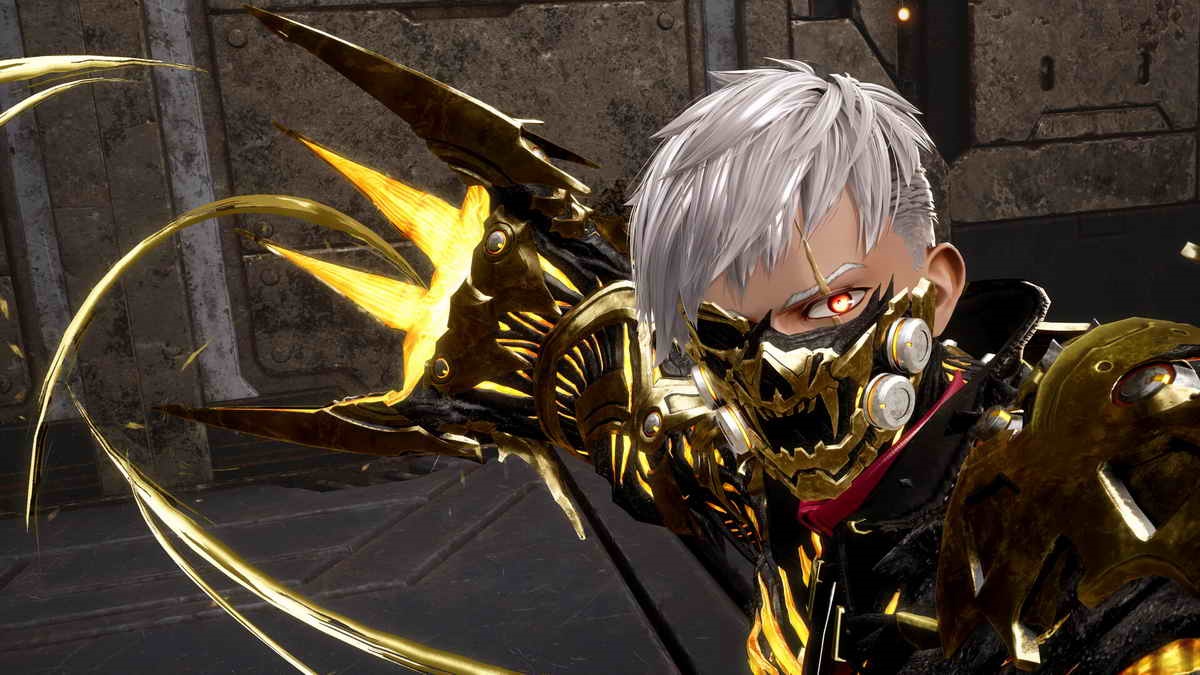
From the moment Code Vein II strides out of the shadows of its 2019 predecessor, it feels like a game eager to expand both its world and its identity – for better and worse. Bandai Namco’s sequel pushes beyond the narrower corridors of the original into a broader, more narratively ambitious terrain where time itself becomes a mechanic and thematic driver. The premise, anchored on a Revenant Hunter’s desperate bid to prevent a second apocalypse by altering events across two timelines, sets the stage for a story that occasionally reaches for emotional depth and character stakes seldom seen in the genre. This ambition is palpable: story beats strive toward resonance through repeated encounters and shifting revelations, and the interplay among its cast of revenants can feel genuinely human at times. However, that same narrative apparatus sometimes becomes self-indulgent at times, with dialogue and exposition that overstay their welcome and scenes that feel padded rather than purposeful.
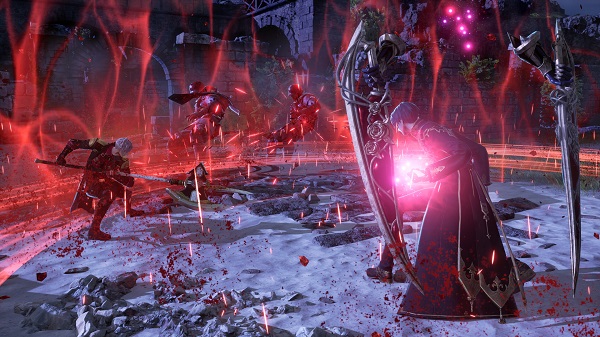
Gameplay sits at the heart of Code Vein II, and it is here that the game oscillates between clever design and frustrating execution – fortunately leaning more towards the former. The sequel’s combat system is rich with options – from the array of Blood Codes and Formae you can experiment with to the versatile approaches to build variety – encouraging players to reshape their strategy on the fly and reward experimentation. This systemic flexibility is one of the game’s clearest strengths, giving combat a texture that invites deeper engagement than its predecessor offered. Yet, the actual feel of battle can be uneven. Whether it’s hitbox quirks, occasionally imprecise animations, or AI that moves between surprisingly effective and bafflingly inert, moments of tactical triumph are frequently undercut by mechanical inconsistency). These technical blemishes stop well short of derailing the experience, but they chip away at the sense of fluid, responsive combat that such a system deserves.
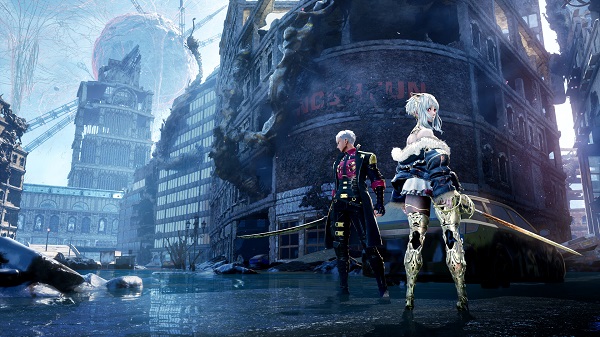
The controls themselves – from fundamental movement to the layering of special skills and partner interactions – largely function as expected for an action RPG of this scope, yet never quite reach the tight, satisfying responsiveness players might hope for. In part this stems from design choices that sometimes favor spectacle over clarity: enemies can punish early or late dodges alike, and camera behavior doesn’t always make it easy to track fast-moving foes across open spaces. Companion mechanics represent a thoughtful evolution, permitting allies to both assist in battle and serve strategic roles, but these systems also highlight the game’s balancing tension between empowerment and overreliance on AI support.
Visually, Code Vein II carries forward its anime-inspired aesthetic with an identity that is unmistakably its own, particularly in character design and atmospheric set-pieces that evoke a bleak post-apocalyptic vista. While the art direction frequently delivers evocative environments and compelling creature designs, the underlying engine and fidelity can feel dated or uneven on the PlayStation 5. Performance hitches, framerate instability in larger outdoor areas, and textures that lack polish undercut some of the visual ambition the game lays bare. In an era where many contemporaries push technical boundaries, Code Vein II’s presentation occasionally feels like a generation behind – not ugly, but not as expressive as its ideas suggest it should be.
Audio work in Code Vein II is similarly functional rather than extraordinary. Musical cues support tonal transitions and combat intensity without ever dominating the scene, and sound effects – while serviceable – lack the visceral punch that might elevate clashes into truly memorable encounters. This isn’t to say the audio is bad – quite the opposite – but it rarely asserts itself as a standout feature, instead playing a supportive role in a larger tapestry that speaks more through narrative and mechanics.
At the end of the journey, Code Vein II remains a compelling but imperfect evolution of the franchise. It will speak most loudly to fans of the original and players with an appetite for systemic depth and time-wrapped storytelling, even if some design decisions and technical rough edges make the ride feel occasionally uneven. For all its rougher edges – mechanical inconsistencies, graphical compromises, and narrative indulgences – it is a game that strives to do more than simply retread old ground, offering enough originality and ambition to justify the trip through its fractured timelines. In a landscape crowded with soulslike imitations, Code Vein II asserts an identity that is unmistakably its own, even if it doesn’t always fully cohere in practice.
Score: 7.4/10
 Press Play Media