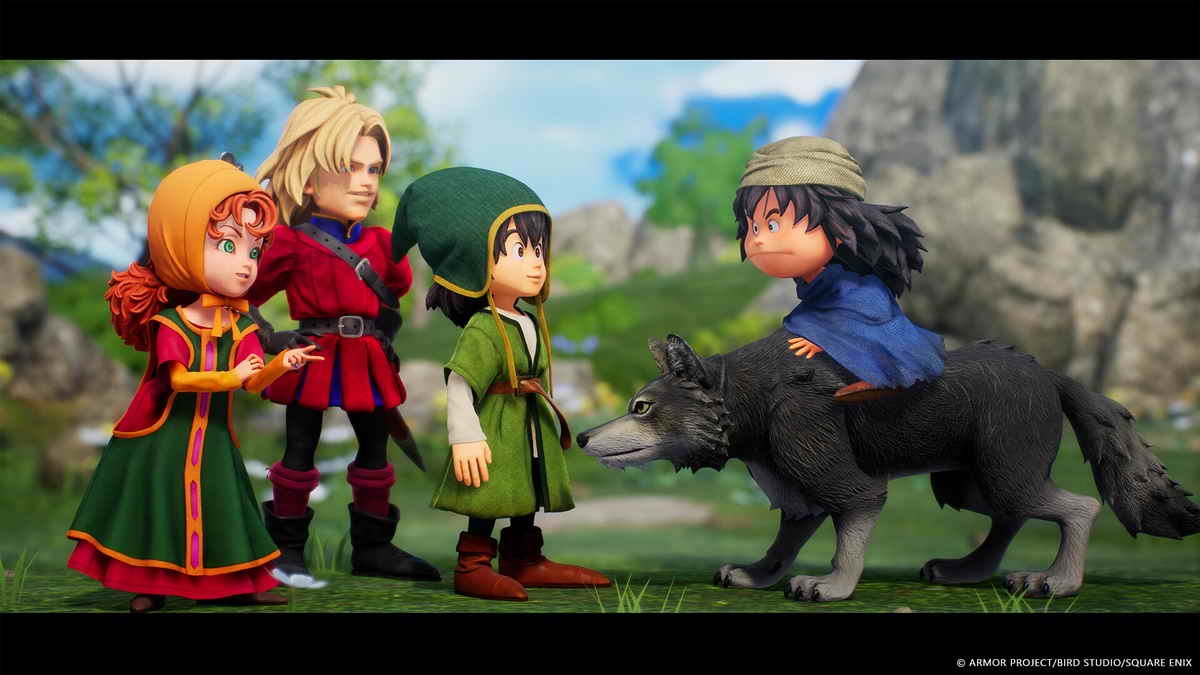
Dragon Quest VII Reimagined is Square Enix’s ambitious reimagining of one of its most sprawling classic RPGs, and it arrives on PlayStation 5 with a surprising blend of reverence and reinvention. The journey begins humbly on the peaceful isle of Estard, where a young fisherman’s son and his friends soon find themselves unraveling ancient mysteries and restoring forgotten lands. What could have been an exercise in nostalgic retreading instead feels like a thoughtful resurrection: familiar bones clad in fresh narrative muscle and modern polish.
At its core, the game retains the signature episodic structure that made the original such a memorable experience. Each island unlocked through time travel presents a self-contained fable of its own, populated with memorable characters and modest dramas that range from heartfelt to whimsical. While the overarching plot isn’t revolutionary, the quality of these individual stories – and the consistent care with which they are presented – gives the narrative momentum that carries the player from start to finish.
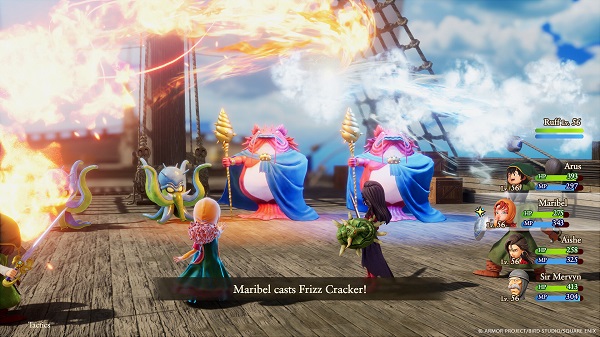
Combat and mechanics have seen judicious updates that respect tradition without leaving players behind. The turn-based system feels reassuringly classic yet flexible, thanks in part to a revamped vocation system that allows characters to master multiple roles at once. This dual vocation mechanic deepens strategic options while keeping encounters engaging without overwhelming newcomers. Quality-of-life improvements such as shared inventories, a streamlined menu, and adjustable battle speeds make play sessions smoother than in past versions.
Despite these upgrades, familiarity sometimes betrays repetition. Battles can blur together over long stretches, and the vignette-style progression, while engaging, can lead to pacing that occasionally falters. The initial hours especially may feel slow to ignite for those unaccustomed to classic JRPG pacing, and veteran players seeking high-octane challenge may find portions of standard difficulty less demanding than they expected.
In terms of control and interface, this reimagining is as welcoming as it is thorough. The controller layout feels intuitive, inventory management is far less onerous than in earlier iterations, and the overall responsiveness makes exploration and combat less of a chore. That said, persistent walls of text and dialogue sequences still require patience, particularly for players more interested in action than exposition.
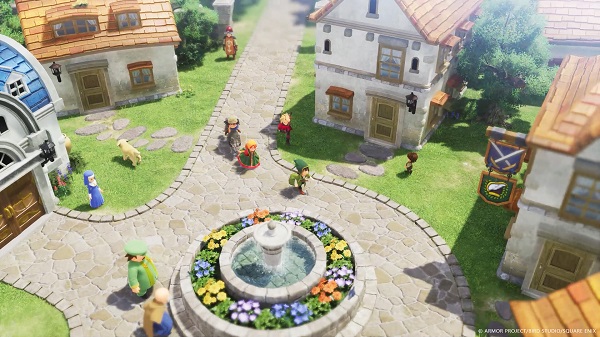
Graphically, Reimagined is a triumph of diorama aesthetics. Characters and environments are rendered with sculptural charm, their vibrant colors and playful proportions lending a visual identity that still feels distinct within the JRPG landscape. The sound design reinforces this charm through stirring music and well-paced musical cues, though an uneven distribution of voice acting means some moments hit harder than others.
Ultimately, Dragon Quest VII Reimagined is a love letter to both longtime fans and curious newcomers. It smartly trims and reshapes a beloved but unwieldy classic into an experience that feels both familiar and fresh. Its narrative may never dazzle with epic twists, and its combat can lean on tradition more than innovation, but what it does exceptionally well is offer a warm, expansive adventure filled with character, discovery, and a timeless sense of wonder.
Score: 8.4/10
 Press Play Media