At times, Ice-Pick Lodge’s Pathologic 3 feels like more than a game, and as something that needs to be engaged with as an intellectual and philosophical challenge. On Xbox Series X/S, players step into the shoes of Daniil Dankovsky – a prodigious but flawed physician sent to a remote town beset by a lethal plague. Rather than pushing traditional survival meters, Pathologic 3 positions time itself as both narrative device and gameplay mechanic, forcing players to grapple with moral ambiguity, consequence, and the implications of their decisions across looping timelines.
At its heart, the narrative resists simple exposition. Dankovsky’s arc is revealed in shards – dialogues, diagnoses, and fragmented clues that coalesce into an unsettling, impressionistic story. This design choice resonates with the oppressive environment of Gorkhon’s plague-ridden streets: clarity is scarce, and truth is often hidden beneath layers of ambiguous human motivations and odd, sometimes absurd events.
The time-manipulation mechanic is arguably the game’s most striking innovation. By spending a finite resource to rewind and re-shape past days, players are encouraged to see failure not as a dead end but as insight into how the world fits together. This creates a loop-based rhythm that makes each return to earlier days feel meaningful and instructive, rather than repetitive. The effect is a narrative that unfolds through exploration, experimentation, and reflection.
Gameplay mechanics pivot away from traditional survival systems to psychological ones: instead of hunger and exhaustion, players manage Dankovsky’s mood – measured by Apathy and Mania. Every conversation choice and interaction subtly pushes these meters, and balancing them becomes a core strategic concern. This contributes to the game’s thematic ambition but sometimes convolutes moments that could otherwise have been clearer, especially for newcomers.
On the Xbox controls, the depth of the game’s systems sometimes feels at odds with ergonomic simplicity. Managing decrees, diagnostics, and time loops through menus requires patience, and this density can feel burdensome before mastery sets in.

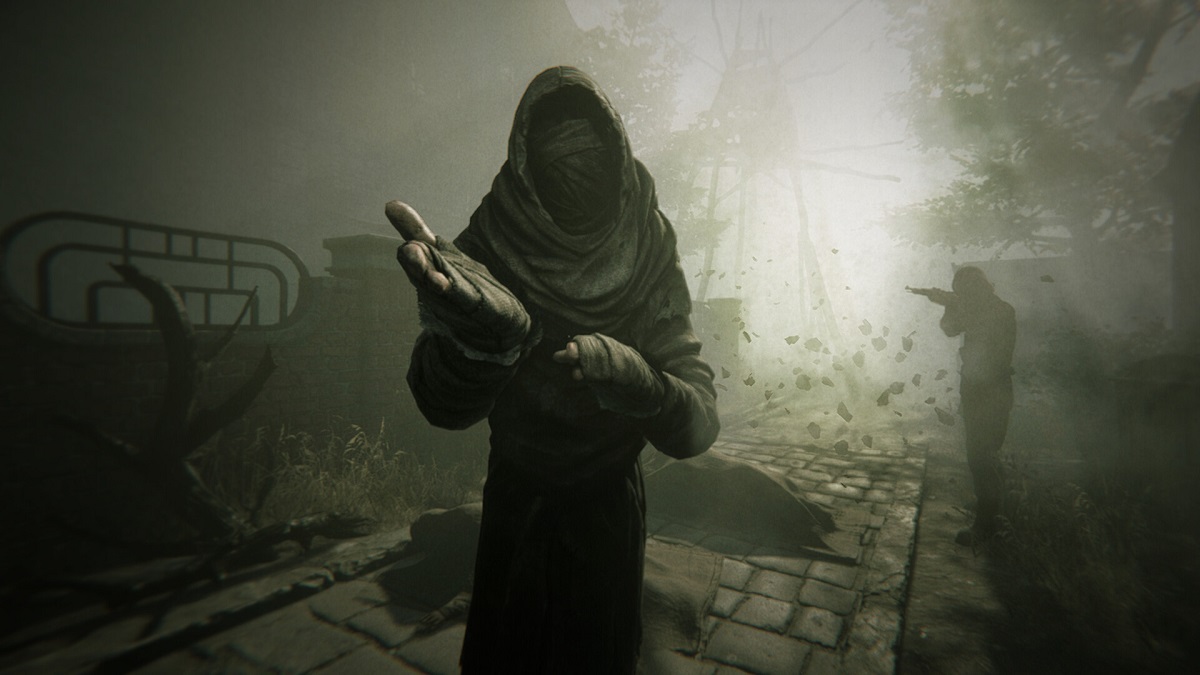
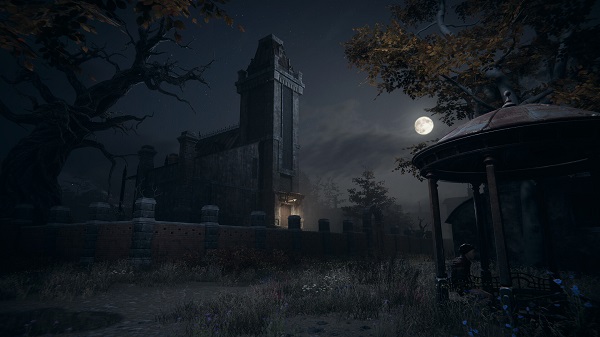
Visually, Pathologic 3 crafts a moody, unsettling world that favors atmosphere over graphical spectacle. The muted color palette and eerie environmental design reinforce the feeling of dread, while the audio design – sparse music, ambient tension – amplifies every moment of unease. Limited voice acting and occasional text quality issues pull slightly against the strength of the world-building, but the overall audiovisual direction remains cohesive and effective.
It’s not an easy experience. Technical roughness, dense systems, and a narrative that demands attentive reading and reevaluation can deter players used to more straightforward storytelling or streamlined mechanics. Yet for those willing to invest time and thought, Pathologic 3 delivers a profoundly original and resonant experience – a game that peppers its bleak setting with sharp intelligence, emotional payoff, and an unforgettable interplay between story and choice.
Score: 8.1/10
 Press Play Media