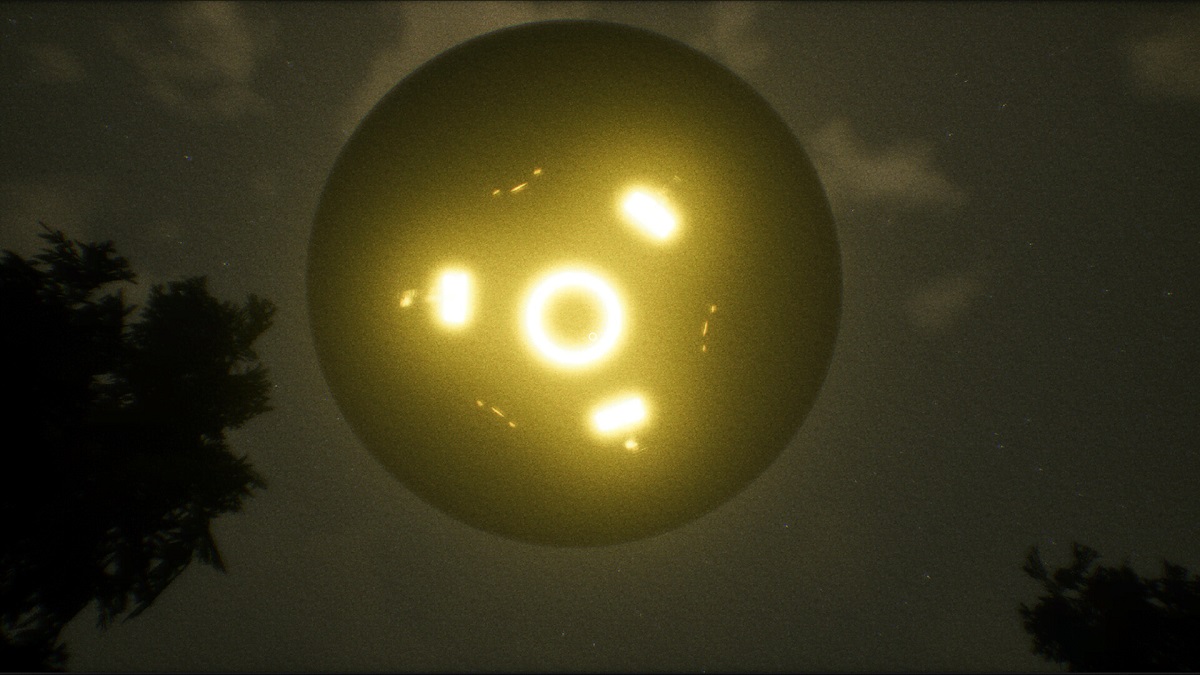
UFOPHILIA arrives on PlayStation 5 carrying an intriguing premise: a first-person dip into UFO investigation that merges procedural mystery with atmospheric horror. As you step into the shoes of an obsessive investigator, the game’s commitment to ambiguity and inevitability shapes its narrative tone – you’re not chasing jump scares so much as a creeping, persistent dread that something unseen is observing you. The core narrative loop, cycling through mission selection, evidence gathering, spawn zone identification, and the eventual alien encounter, builds a unique identity, though its execution occasionally blunts the tension it aims to cultivate.
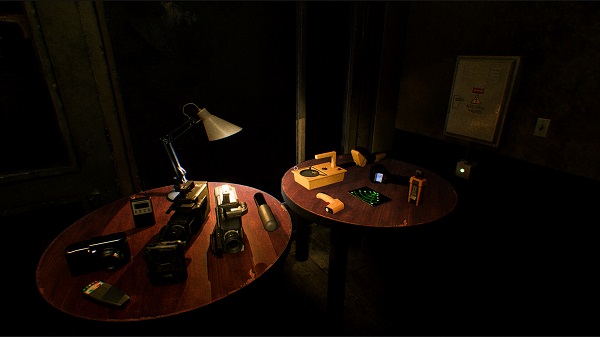
Mechanically, UFOPHILIA doubles down on its investigative roots. The suite of tools at your disposal – from EMF detectors to night-vision cameras – encourages a methodical approach rather than relentless action. This emphasis on careful observation and deduction is one of the game’s more compelling attributes, creating moments where you genuinely feel like a field investigator piecing together scattered clues. When used in tandem, these devices can reveal patterns that single tools alone miss, rewarding patience and strategic use of your arsenal. However, this deliberate pace also contributes to a feeling of laboriousness; players drawn to more visceral horror experiences may find the process of narrowing down alien types repetitive and frustrating.
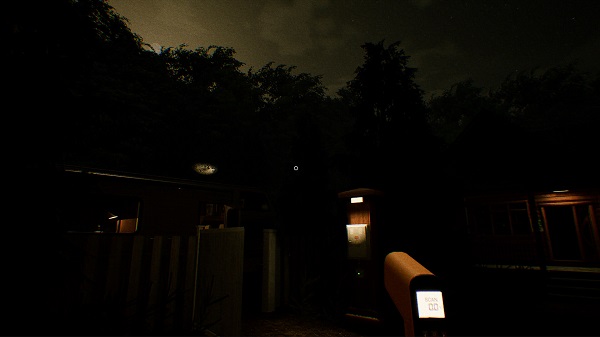
Control and interface design further shape that experience. The basic first-person movement and interaction scheme is serviceable, but it can feel sluggish when the stakes are highest. During the most nerve-wracking segments – notably Phase 4 alien encounters – tighter, more responsive controls would significantly enhance tension and immersion. The user interface, while functional, occasionally hampers flow with confusing elements that take time to internalize. These aspects don’t break the game, but they do contribute to a learning curve that’s steeper than necessary for the casual horror fan.
Visually, UFOPHILIA delivers a competent, if unremarkable, aesthetic. Environments are varied and provide enough visual diversity to distinguish rural homes from police stations and other mission locales, which helps prevent monotony over extended play sessions. Yet the alien designs themselves, while technically distinct, often lack the provocative terror one might expect from a horror title. This is reflected in moments of genuine tension being more the result of ambient audio and psychological suggestion than the creatures themselves. Still, the occasional surprising visual encounter – especially when an alien appears unexpectedly – can be genuinely effective for players attuned to the game’s rhythm.
Sound design emerges as one of UFOPHILIA’s strongest assets. Careful layering of ambient effects, distant creaks, and subtle audio cues amplifies the sense of unease throughout missions. These elements do far more heavy lifting in creating atmosphere than the visual components alone, and they help anchor many of the game’s most memorable moments. When the soundtrack and environmental audio align with gameplay beats, the sense of isolation and uncertainty is palpable.
Despite these strengths, UFOPHILIA’s structure sometimes falters under its own ambitions. The procedural nature of missions, while boosting replayability, also means that familiar loops recur frequently without substantial variation. For players chasing novelty or dramatic narrative progression, this can erode engagement over time.
Ultimately, UFOPHILIA is a title that will resonate most with a niche audience: those who relish the slow burn of investigation, the puzzle of disparate clues, and the steady climb toward mastery of alien behavior. Its atmospheric strengths and thoughtful tool interactions are counterbalanced by repetition, control quirks, and a design philosophy that sometimes favors process over payoff. For dedicated alien aficionados willing to embrace its pace and quirks, this is an absorbing experience that rewards perseverance. For others seeking more traditional horror adrenaline or cinematic flair, it may feel like a richly textured but ultimately uneven journey.
Score: 6.7/10
 Press Play Media