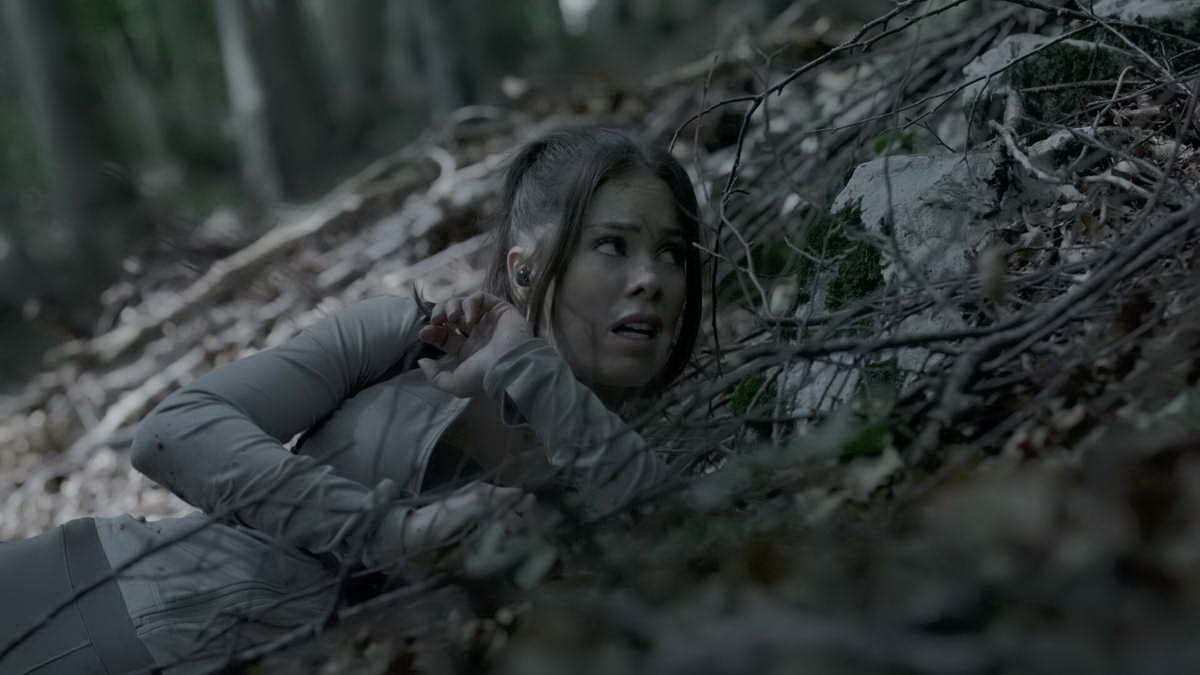
From the opening moments of The Run, it’s clear this isn’t a typical horror video game: it’s a fully filmed, choice-driven thriller that marries interactive storytelling with cinematic pacing. You step into the shoes of Zanna Hendricks, a globally recognised fitness influencer whose celebratory morning run in the scenic trails of Northern Italy swiftly devolves into a desperate struggle for survival. Across roughly three hours of content and dozens of choice points, the narrative oscillates between quiet scenic interludes and sudden, harrowing danger – a structure that keeps the tension alive even when the pace slows. What sets the premise apart – and occasionally betrays it – is a sense that the story sometimes cares more about style than impactful choices, leaving questions lingering long after the credits roll.
Gameplay in The Run is built entirely around decisions: you’re confronted again and again with binary prompts that determine Zanna’s route, safety, and occasionally her morality. These decisions range from innocuous niceties to life-or-death junctures, and while the choice structure rarely surprises in form, it often does in consequence. One of the more compelling elements is the “Story Map,” which charts your progress through the branching paths and makes revisiting sections both intuitive and rewarding. That said, the reliance on timed or paused choices – though configurable for audience participation in streams – can make some segments feel more like clicking through options than playing in any traditional sense, even if the weight of those clicks carries real narrative heft.
Control feels entirely appropriate for what the experience aims to be: an interactive film rather than an action game. With no direct character movement or traditional input beyond choice selection, the interface is clean, responsive, and unobtrusive, letting you focus wholly on the unfolding drama. This minimalism works for the genre, although it does expose how lean the interactive layer remains when compared with more mechanically involved titles. On PC, these interactions generally run smoothly, though the lack of deeper engagement mechanics means that the experience may feel slight to players seeking more tactile involvement.
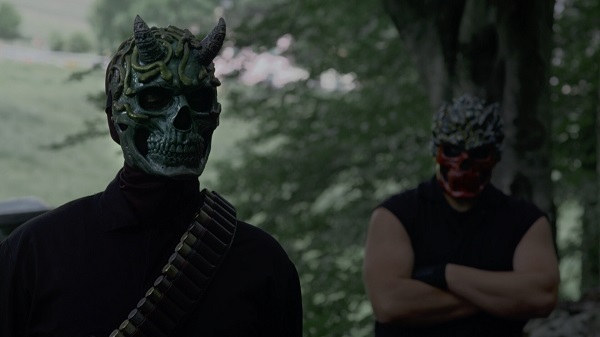
Visually, The Run shines in ways that many FMV games can only aspire to. The use of location filming in Northern Italy gives the landscape a breathtaking quality, making the environment feel almost like a character in its own right. Whether it’s the serene beauty of mountain trails or the claustrophobic shadows cast by masked pursuers, the aesthetic framing consistently elevates scenes that might otherwise feel static. Coupled with sharp editing and thoughtful scene composition, the visuals and production values lend weight to a narrative that thrives on immersion.
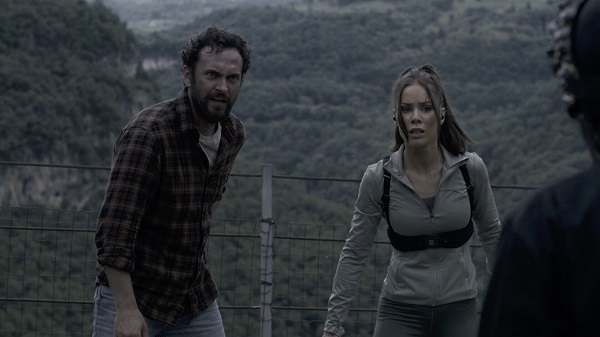
Audio is similarly strong. Performances from the cast – especially lead Roxanne McKee as Zanna and George Blagden as the enigmatic Matteo – bring conviction and nuance to what could easily have been one-dimensional roles. Their chemistry and individual arcs help carry the story through some of its more predictable beats, and the sound design underpins both the natural ambience of the Italian wilderness and the jolting intrusion of violence. There are moments when the voice work or delivery choices feel slightly at odds with the intended tone, but overall the cast elevates the material.
Yet for all its strengths, The Run doesn’t fully escape the limitations of its format. Some may find the narrative twists foreseeable and the level of actual interactivity modest, making the experience feel less like a game and more like a branched movie with selectable moments. The relatively short run time – well under two hours for a single playthrough – and a handful of unavoidable game-over scenarios can also lessen the impact of repeat visits, even if the Story Map tempts you to chase every outcome. Still, within the niche of FMV horror-thrillers, The Run stands out as one of the more polished and engaging offerings of its kind – a title that may not redefine the genre but certainly exemplifies its potential when crafted with care.
Score: 8.0/10
 Press Play Media