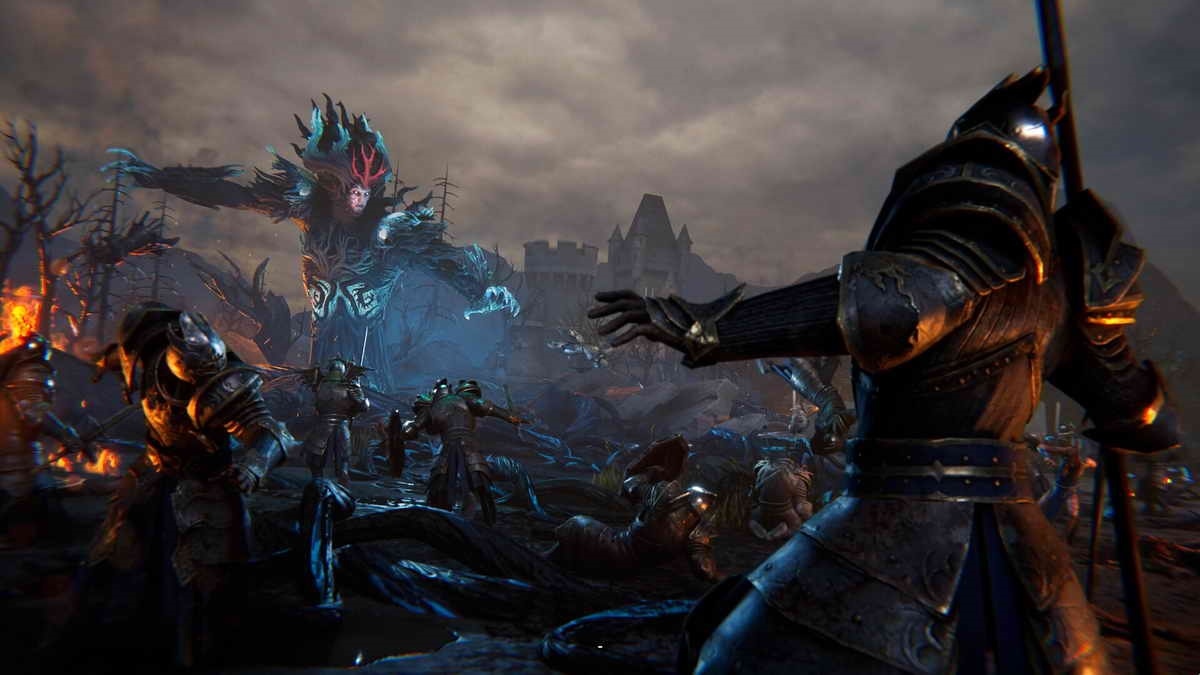
What Disciples: Domination ultimately delivers is a tapestry of familiar strategy-RPG tropes stitched together with competent execution but without the sort of ambition that would elevate it above its predecessors – or even entirely justify its standalone status. (This is a sequel to Disciples: Liberation set fifteen years later, with Queen Avyanna back at the centre of a fractured Nevendaar.) There’s a definite narrative hook behind the effort to blend political crisis with tactical battles, but the story’s pacing and impact vary wildly: at its best, the grim power struggle and faction politics are compelling, and at its worst the plot beats feel generic or underdeveloped, sometimes even undermining the protagonist’s agency – though it’s a safe choice for fans of Disciples: Liberation.
Mechanically, Domination adheres very closely to the blueprint carved out by its forerunners in the franchise. The loop of overworld exploration, turn-based combat, and castle management is tight, and there’s genuine satisfaction in positioning units, exploiting terrain, and chaining abilities. For fans of tactical play, the hex-based encounters reward careful planning and deft use of status effects, and multiple factions bring subtle variety to how you build your army. Yet this strength is also a weakness: the game rarely surprises, and after dozens of hours even satisfying battles start to blur together into repetition.
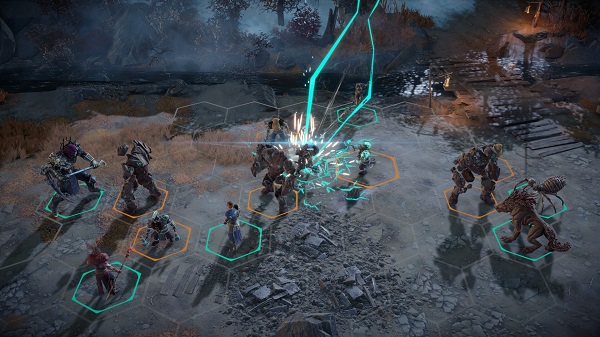
Part of that sense of repetition comes from progression. The skill trees and specialisations on offer for Avyanna provide thematic flavour, but upgrades often feel incremental and slow to materialise into meaningful power changes. Similarly, resource and faction systems – such as the grievances mechanic introduced for managing reputation – add surface depth, but can devolve into predictable optimisation as you identify the paths of least resistance. When the most engaging decisions boil down to maximising efficiency rather than exploring novel combinations or narrative twists, the campaign starts to feel more methodical than magnetic.
Controls and interface generally hold up well on consoles, with responsive gamepad support and a UI that does its job across various screens. However, some systems – inventory management and item organisation in particular – feel cluttered and could have benefited from clearer feedback loops or streamlined navigation. Pressing through nested menus to equip gear or merge items isn’t broken, but it does interrupt pacing, especially when you find yourself doing it mid-adventure rather than as a discrete managerial phase.
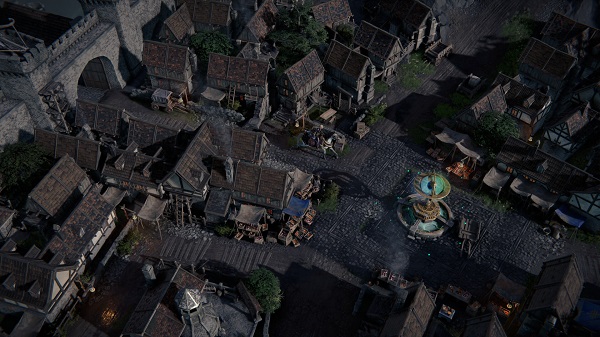
Visually, Domination accomplishes a lot with its dark fantasy palette: environments range from desolate farmlands to infernal vistas, and unit models are finely detailed. The atmospheric aesthetic contributes to the moody worldbuilding, even if the overall look leans too often toward the muted and homogeneous. This can make regions feel less distinctive over time, diminishing the sense of wonder in exploration. Audio design follows a similar pattern – battle effects and ambient tracks are serviceable and occasionally evocative, but voice acting is inconsistent and sometimes unremarkable.
By the end of its roughly 30–40 hour campaign, Disciples: Domination leaves an impression that’s hard to classify simply as “good” or “bad.” It’s a game that works, and often works well; its core systems are solid, and there’s reward in mastering them. But its familiar DNA, coupled with a sense that it innovates only modestly beyond Liberation, means it rarely surprises or transcends expectations. For devoted franchise followers and aficionados of turn-based tactics, there’s immense value here – but for players seeking a fresh evolution of the genre or a narrative that grips throughout, Domination can feel like a competent retread rather than a bold new path forward. If you like what Disciples stands for, you’ll get dozens of hours worth of enjoyment out of Domination.
Score: 7.4/10
 Press Play Media