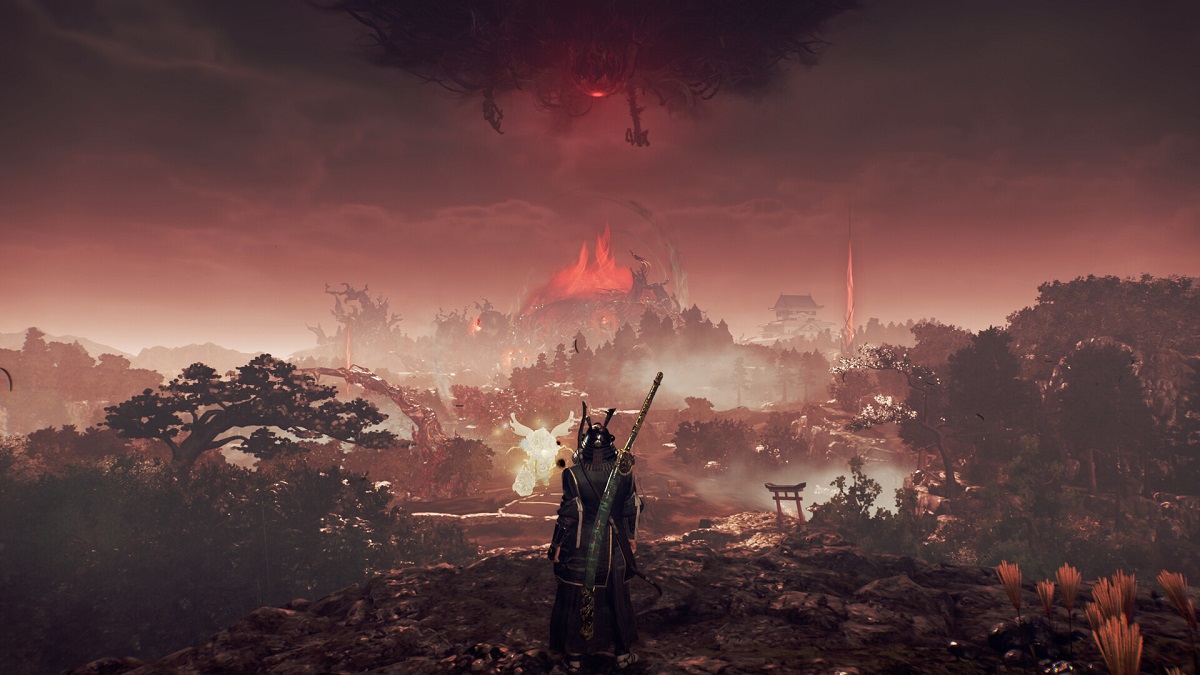
Almost six years after Nioh 2, Team Ninja’s Nioh 3 steps boldly out of the shadow of its predecessors to offer a skill-intensive action RPG that feels simultaneously like the culmination of years of design refinement and a fresh statement of intent for the franchise. Set in a fantastical, demon-haunted feudal Japan, the narrative casts players as the would-be shogun Tokugawa Takechiyo, whose journey across fractured eras and yokai-infested landscapes provides a compelling drive but remains, at its core, functional rather than deeply affecting. The story’s time-hopping serves more as connective tissue to varied locales than as a truly memorable saga, and while its mythological richness is frequent and evocative, it rarely eclipses the game’s combat brilliance, because where Nioh 3 shines brightest is in its combat and gameplay systems.
Building on the meticulous foundations of the series, Team Ninja introduces a dual-style mechanic that lets you flip instantaneously between Samurai and Ninja combat, each with distinct weapon sets, movement philosophies, and tactical considerations. The Samurai offers weighty restraint and rewarding parries; the Ninja thrives on agility and burst damage. This synergy expands the already deep combat loop into something truly dynamic, encouraging players to think on their feet and adapt constantly – a hallmark of the most absorbing soulslikes.
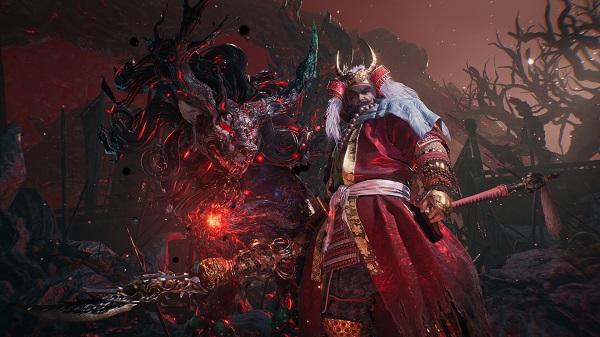
Exploration has also evolved in Nioh 3. Rather than segmented missions alone, the game presents open field regions where landmarks, secrets, and adversaries are woven into sprawling, layered maps that reward curiosity without drowning players in empty territory. These zones aren’t open world in the traditional sense, but they do foster a sense of discovery rarely felt in previous entries, blending vertical traversal and tactical choices with meaningful loot and progression incentives. At the same time, the sheer breadth of systems – from titles that confer permanent buffs to exploration-based stat gains – can sometimes overwhelm, making mastery feel as much about menu navigation as battlefield prowess at first.
However, not every innovation lands with equal force. The equip-and-loot systems, while generous, often verge on excess, making inventory management a chore rather than a joy, and some technical roughness – including occasional performance dips in complex encounters – stands out more in the bright spotlight of next-gen hardware expectations. Visually, Nioh 3 frequently looks impressive in its character and enemy designs, but certain environments retain a familiar aesthetic that doesn’t always push the envelope beyond the series’ established style.
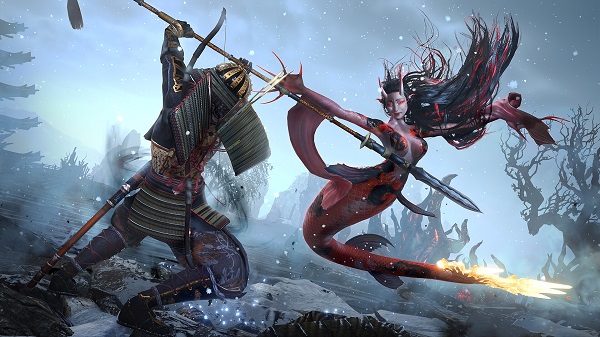
Boss encounters in Nioh 3 are unmistakably high points, blending spectacle with strategic depth in ways that make each victory feel hard-earned. The variety and creativity of these confrontations underscore Team Ninja’s skill in crafting memorable combat set pieces, even if some late-game balance spikes flirt with frustration more than triumph. In contrast, some of the secondary narrative beats and exploration sequences, while rich, lack the narrative punch to match the visceral thrill of battle, underscoring a tension between mechanical ambition and storytelling impact.
Altogether, Nioh 3 stands as a remarkable iteration of a franchise that once teetered on the edge of niche appeal and now confidently embraces its identity. Its blend of deep combat systems, expansive exploratory design, and copious content offers an engrossing challenge that rewards patience and skill. While its complexities and occasional technical imperfections may temper accessibility for some, the sum of its parts is undeniably one of the most compelling action RPG experiences in recent months – one that fans of methodical, high-stakes combat will cherish.
Score: 8.4/10
 Press Play Media