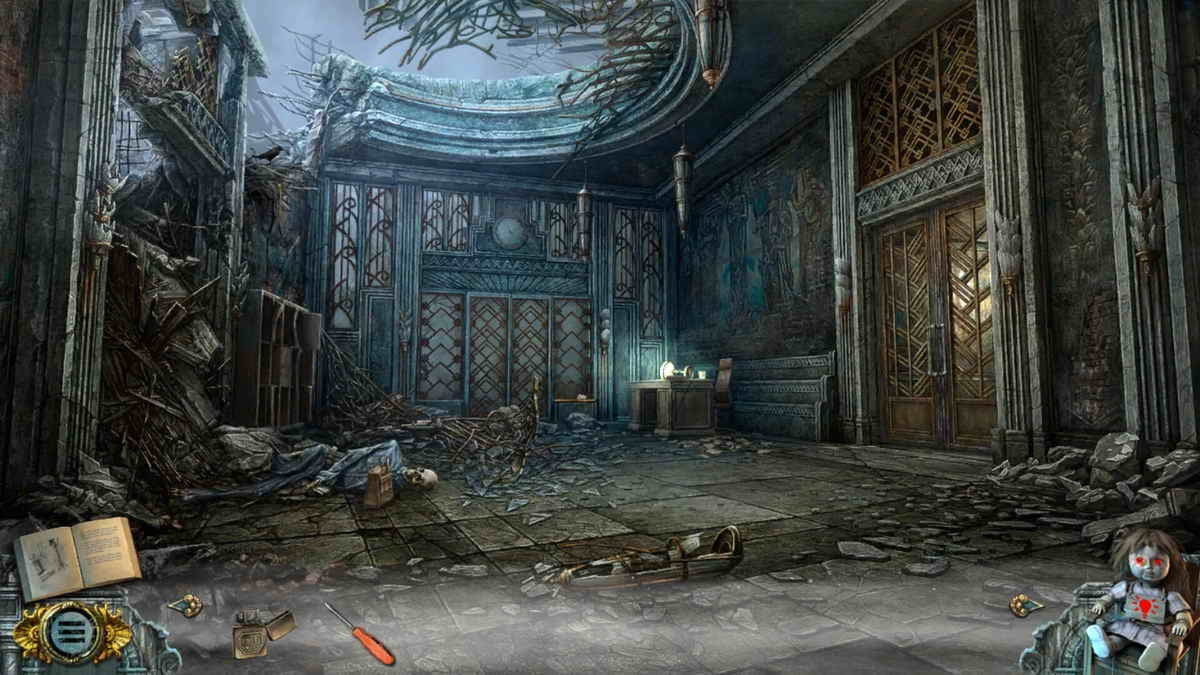
With the launch of Part 3, we now have the complete True Fear: Forsaken Souls Trilogy on PlayStation 5. Developed by Goblinz Enterprises and published by The Digital Lounge, the trilogy represents a long-form psychological horror narrative told across three point-and-click adventures. What begins as a slow-burning investigation into a family’s fractured past gradually expands into a sprawling mystery that blends hidden-object mechanics, elaborate puzzles and cinematic storytelling. Across all three entries, the series thrives on atmosphere and methodical discovery, though its deliberate pacing and structural quirks can test patience for those not familiar with the genre.
Part 1 establishes the trilogy’s identity through oppressive mood and restrained storytelling. The abandoned house setting feels claustrophobic and steeped in memory, encouraging careful environmental observation and incremental narrative assembly. Tension builds gradually rather than erupting into overt horror, creating an unsettling tone that lingers. That restraint is effective in sustaining psychological unease, yet the experience rarely escalates into genuine fright, which softens the overall horror impact.
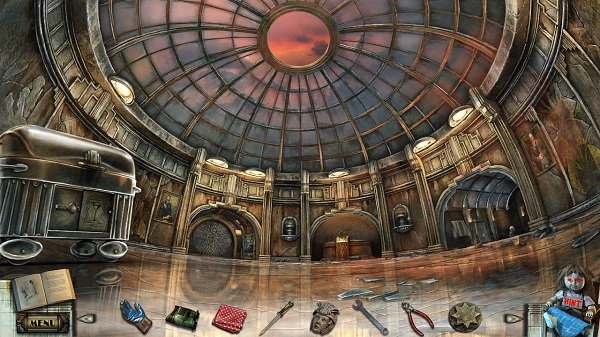
Mechanically, the first entry embraces traditional adventure design with expansive hidden-object scenes and a broad network of interconnected rooms. Managing multiple active puzzle threads creates satisfying cognitive engagement, rewarding players who enjoy meticulous exploration. However, frequent backtracking and occasional pacing stalls interrupt narrative flow. Repetitive musical loops can also diminish immersion during extended sessions. On console, the controller-driven cursor works reliably but lacks the immediacy and precision of mouse input, subtly affecting fluidity.
Part 2 significantly expands scope and complexity. The shift to Dark Falls Asylum introduces a stronger sense of spatial cohesion and narrative urgency, deepening the mystery surrounding Holly’s past. Puzzle density increases, layering diary entries, environmental clues and multi-step interactions into a more intricate investigative structure. This ambition enriches the world-building, yet the extended runtime and denser plotting occasionally dilute pacing, with certain stretches feeling prolonged rather than escalating tension.
Core interaction systems remain consistent across the trilogy. Inventory usage and object interaction are intuitive in principle, but hotspot clarity and navigation sensitivity sometimes disrupt seamless exploration. These issues remain relatively minor, though in puzzle-centric design even small interface inconsistencies become noticeable. Later entries alleviate some friction with improved fast-travel systems, reducing unnecessary traversal compared to the original installment.
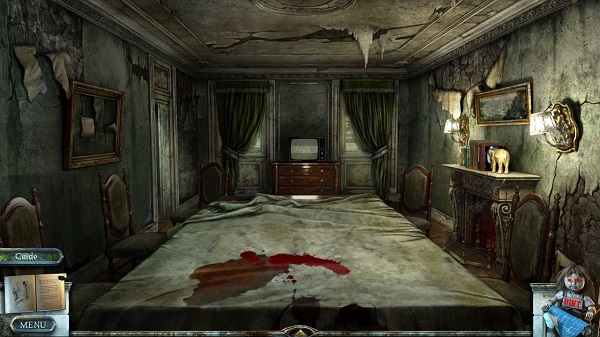
Part 3 delivers the long-awaited conclusion with expanded environments and a stronger emphasis on narrative closure. The variety of locations and more cinematic integration of cutscenes reinforce the emotional weight of Holly’s final revelations. The storytelling leans into psychological ambiguity, blurring the line between trauma and supernatural suggestion. While certain narrative beats revisit familiar rhythms, the final chapter provides meaningful resolution and a cohesive endpoint to the overarching mystery.
Visually, the trilogy favors textured, hand-crafted environments over photorealism. On PlayStation 5, sharp resolution and stable performance enhance environmental detail, strengthening immersion. Lighting design supports the oppressive tone, while audio consistently reinforces atmosphere. At times, persistent background scoring can feel overbearing during slower investigative stretches, though Part 3’s more tailored orchestration better complements key story moments.
Taken as a complete package, the True Fear: Forsaken Souls Trilogy offers a substantial psychological adventure defined by layered storytelling and deliberate tension. Its strengths lie in scope, puzzle ambition and atmospheric cohesion. Its weaknesses – occasional pacing drag, interface friction and restrained scare escalation – prevent it from reaching genre-defining status. Nevertheless, across three installments, it delivers a cohesive narrative arc that rewards patience and culminates in a conclusion that meaningfully resolves Holly Stonehouse’s long and haunted journey.
Score: 7.3/10
 Press Play Media