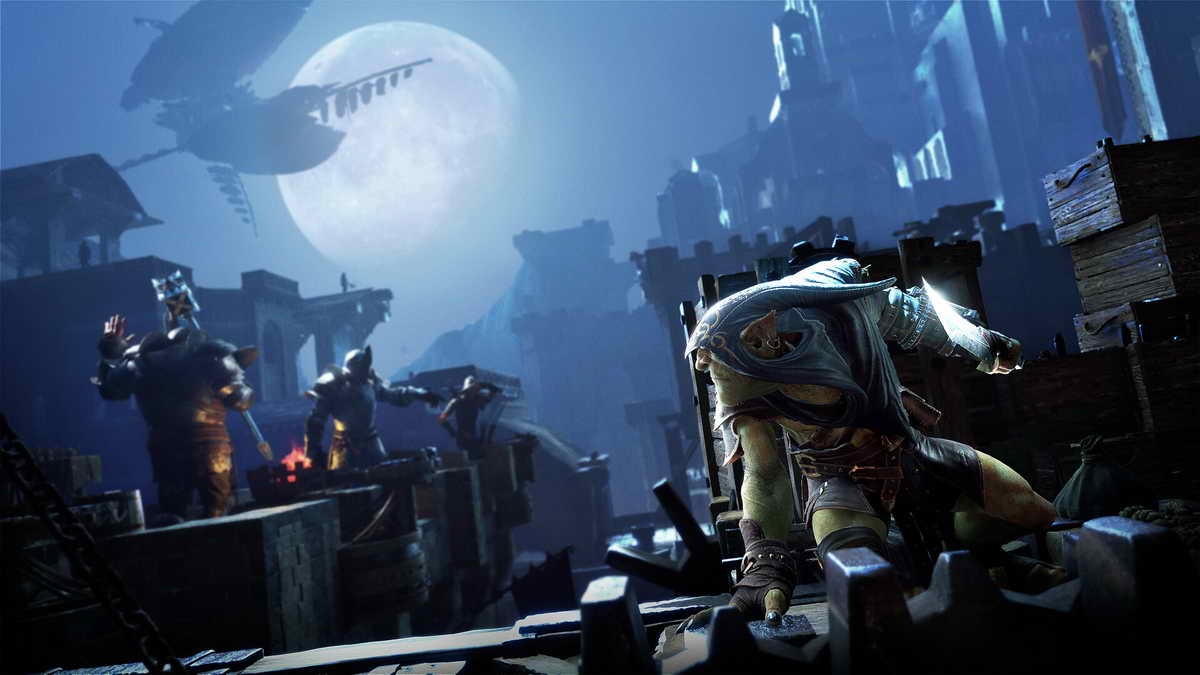
Cyanide Studio’s Styx: Blades of Greed on PS5 delivers a stealth experience that is both meticulously crafted and unapologetically demanding. In this third instalment, the goblin antihero Styx steps into his own ambitions, commandeering a zeppelin and chasing a volatile magical resource through a world on the brink of war. The narrative never overshadows the gameplay, instead providing just enough context to give purpose to the player’s infiltration and plundering, with sharp, sardonic dialogue that keeps the tone engaging without overstaying its welcome.
What distinguishes Blades of Greed is its fierce commitment to stealth fundamentals. The design eschews modern conventions like glowing objective markers or highlighted climbables, requiring players to learn the geometry of environments and the patterns of patrols through observation and experimentation. This design choice rewards thoughtful play, and there is genuine satisfaction in piecing together a route that threads through layered verticality without raising an alarm. However, this same design can feel unforgiving to those unfamiliar with Styx or less versed in stealth workflows, making the opening hours feel like a steep learning curve.
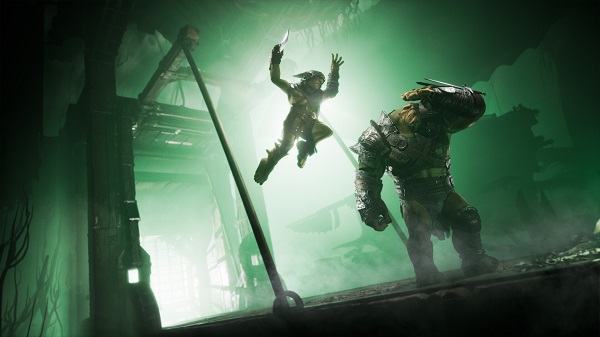
The level design excels in its vertical complexity. The game’s three principal regions offer dense, interconnected spaces where multiple pathways, hidden tunnels, and overhead routes coexist. Styx’s traversal toolkit expands gradually, and as it does, previously unreachable areas open up, turning exploration into an evolving puzzle rather than a set of rote objectives. The result is a gameplay loop where learning the space feels as satisfying as accomplishing the mission itself.
Yet this dedication to stealth purity does not come without trade-offs. Combat, where it exists at all, feels barebones, reinforcing that running and hiding – or finding clever ways around encounters – is almost always preferable to face-to-face violence. This design makes clear that Blades of Greed is not meant to be a hybrid action game with stealth elements; it is a stealth game first and foremost. Players who enjoy stealth as a discipline will find this admirable, but those hoping for a more flexible stealth-action blend might feel constrained.
The progression system provides meaningful upgrades and tools that deepen tactical options. Invisibility powers, clones to distract guards, and other quartz-based abilities add layers to player choice, while a suite of craftable gadgets encourages preparation and planning. Resource scarcity tempers these tools, especially early on, which can feel like a balancing act between curiosity and careful management. Nevertheless, as traversal and tactical options increase, the game’s sandbox spaces feel richer and more rewarding to navigate.
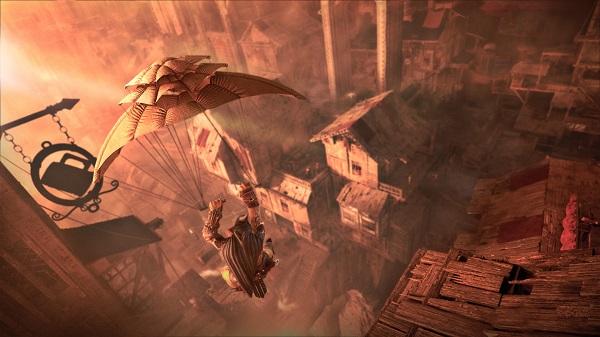
Visually, Blades of Greed is competent rather than dazzling. Environments are varied and atmospheric, and the lighting often does a good job of emphasizing shadows and height, but there are moments where effects and textures fall short of the technical promise. Performance remains steady on PS5, which serves the gameplay better in terms of immersion than flashy visuals ever could – especially in a game that’s dark by nature. The audio design, including ambient sounds and Styx’s own gruff commentary, plays a significant role in building tension and personality in the absence of cinematic visual spectacle.
In the end, Styx: Blades of Greed is a stealth sandbox that will satisfy players who relish tension, careful planning, and spatial mastery. Its uncompromising systems and occasional rough edges are part of a deliberate design philosophy that elevates stealth to a crafted experience rather than a genre checkbox. While it may not appeal to everyone, for those who appreciate stealth as an art form, Styx’s latest adventure is a compelling and richly layered journey, and a must-play for fans who’ve been waiting many years for a sequel.
Score: 8.0/10
 Press Play Media