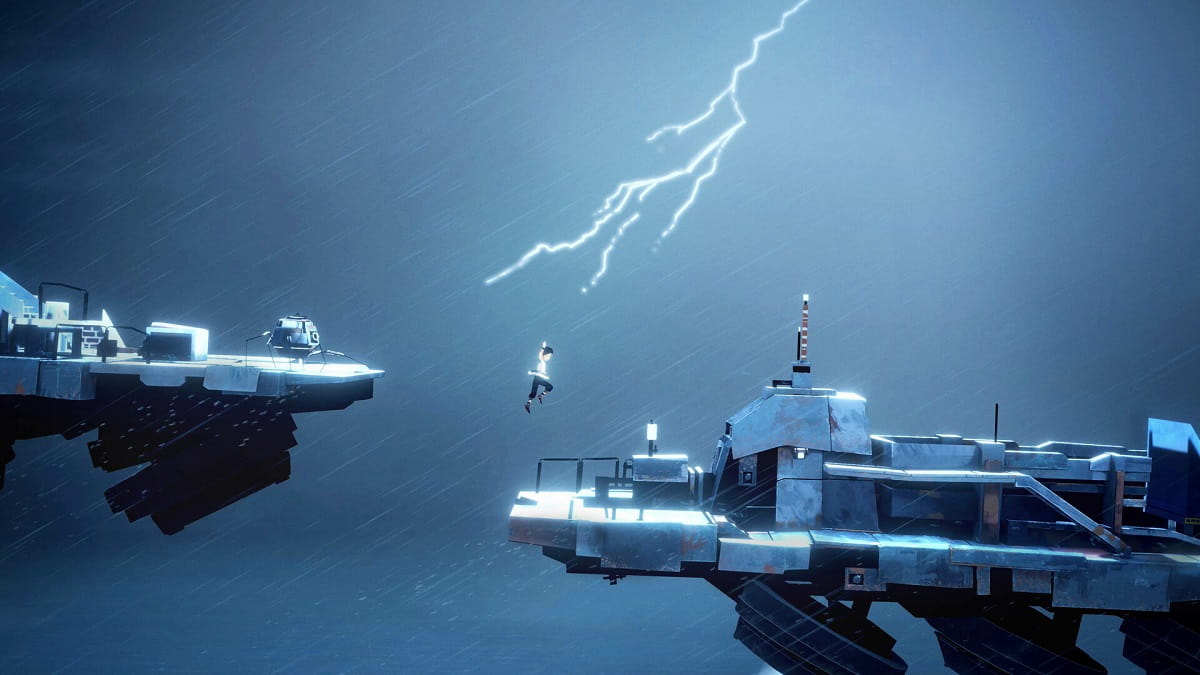
Planet of Lana II: Children of the Leaf is a rare sequel that doesn’t merely re-run the script of its predecessor, but refines it with purpose and heart. Picking up after the events of the first game, Lana and her four-legged companion Mui are propelled from a world just barely at peace into one shaped by deeper ecological imbalance and emergent existential threats. Whereas the original’s threat was distant and inscrutable, here it is personal: the sister-figure at the center of Lana’s life is stricken with a mysterious sickness and the cure lies scattered across varied territories, drawing the pair into landscapes both sublime and unforgiving. This narrative premise is elegantly woven without spoken dialogue, relying on body language and an invented tongue that invites active interpretation rather than spoon-feeding exposition. That choice reinforces a theme of subjective storytelling, though it can at times leave players craving a clearer emotional anchor.
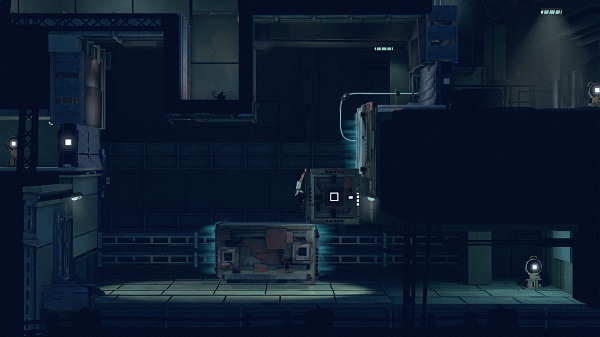
Mechanically, Lana’s toolkit has expanded considerably from the first chapter. She is more agile, able to swim, scale surfaces, and interact with rudimentary technologies, while Mui evolves from a passive sidekick to an indispensable force in puzzle resolution. This transformation in dynamics is not only an upgrade in utility but also anchors the narrative rhythm: puzzles increasingly hinge on collaboration between the two, whether exploiting creature abilities or timing actions in tandem. Many of these scenarios are thoughtfully conceived, nudging players toward creative solutions and rewarding observation above brute force. Yet the game is occasionally uneven in its difficulty spikes, and the instinct to rely on trial-and-error – particularly in stealth and timing-intensive sequences – may frustrate those who prefer a more intuitive sense of progression. There are moments where responsiveness feels just shy of perfect, especially when precision movement is expected in tense scenarios.
The controls on PlayStation 5 generally serve the experience well, with intuitive mapping for both characters and their interactions. Lana’s movement feels fluid and purposeful, and directing Mui with an analog pointer expands possibilities without overcomplicating the interface. Still, some actions – like extracting Lana from water or coordinating intricate environmental responses – could have benefitted from slightly more polish or simplification. These rough edges don’t derail the experience, but they do temper what is otherwise a carefully calibrated mechanical suite.
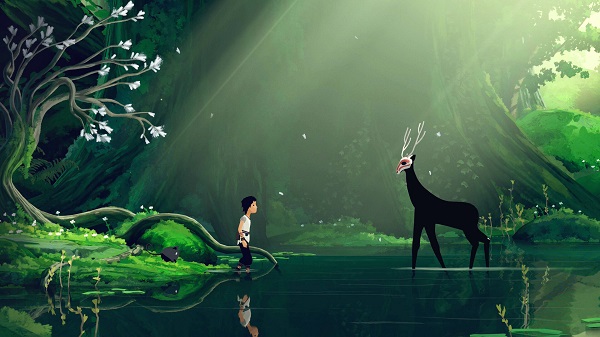
Visually, Planet of Lana II stands as one of the game’s most compelling assets. Its hand-painted environments – from stark frozen peaks to lush forests and mysterious ruins – elevate each step of the journey into something that feels crafted rather than merely rendered. The artistic influence of classic animation sensibilities is palpable, yet developer Wishfully manages to balance homage with distinct identity, making the world feel uniquely its own. While the graphics aren’t designed to dazzle in a technical benchmark sense, they succeed in creating a cohesive atmosphere that resonates with quiet wonder.
Audio complements the visuals with subtlety and purpose. A mostly orchestral score, punctuated by natural ambience and expressive sound cues, elevates quiet moments and heightens tension when stakes rise. The absence of conventional dialogue places additional weight on these elements, and the result is a soundtrack that feels less like background filler and more like an emotional guide through the story’s ebbs and flows.
That emotional core is both a strength and a mild limitation. Lana’s arc here is less about youthful idealism and more about responsibility and the cost of care, which adds depth but occasionally sacrifices the raw connective punch of the original for a more introspective pace. Still, for players willing to lean into the game’s tempo and style, this is an experience that rewards patience and reflection, leaving a sense of meaningful closure even as it hints at further chapters to explore.
In the end, Planet of Lana II is a sequel that both honors what came before and expands upon it in thoughtful ways. It doesn’t overturn expectations with radical innovation, but it deepens them – refining a cinematic narrative through evocative art, tactile movement, and puzzles that feel integral to the world rather than adjunct to it. For players invested in contemplative, character-driven puzzle adventures, this journey with Lana and Mui is well worth undertaking.
Score: 8.5/10
 Press Play Media