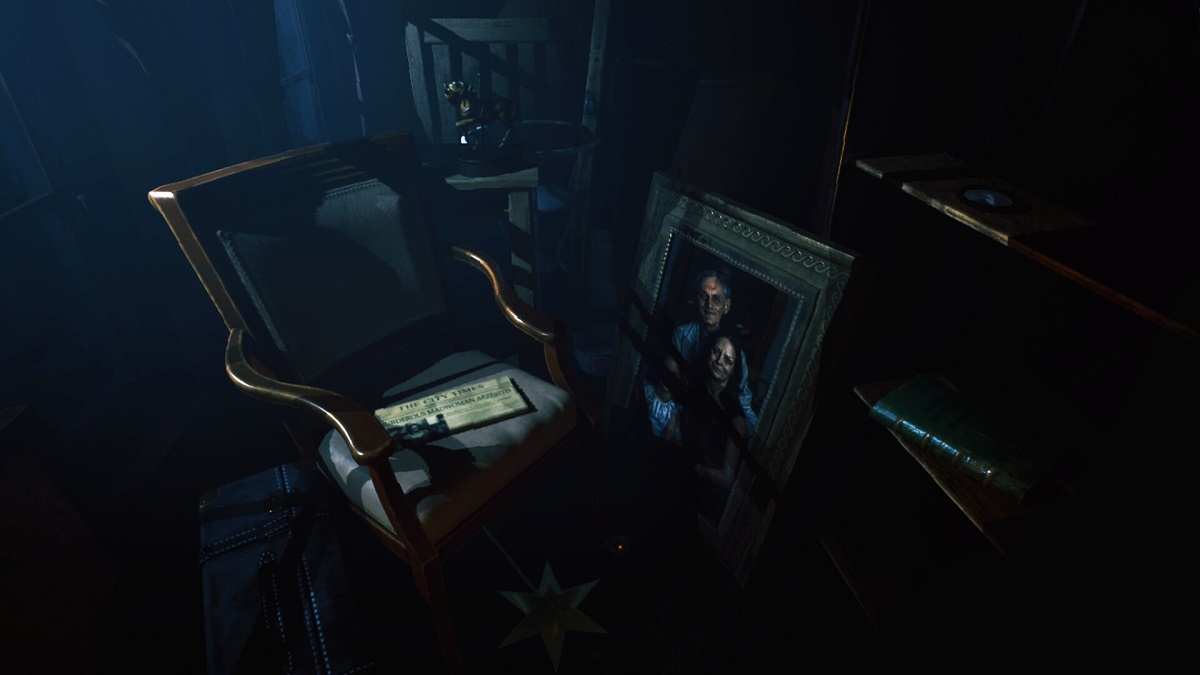
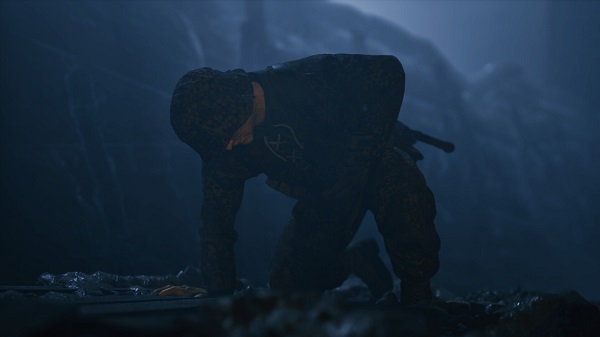
Narrative-driven exploration games often rely more on mood and storytelling than on traditional mechanics, and Portrait of a Torn continues that tradition with a sombre mystery set almost entirely within the walls of a quiet family home. Developed by Indigo Studios and published by Firenut Games, this PlayStation 5 release places players in the role of Robert, a soldier returning from war to a house that feels strangely empty and unsettling. What begins as a simple homecoming soon becomes a slow unraveling of buried secrets, with the game gradually revealing a tragic story through letters, memories and environmental details. The premise is compelling, and the melancholic tone is maintained throughout most of the experience, though the narrative’s structure sometimes struggles to fully connect its thematic threads by the time the credits roll.
The story unfolds almost entirely through exploration. As Robert moves from room to room, the house becomes a puzzle box filled with diaries, locked doors and cryptic clues that reveal fragments of the family’s past. It’s a familiar setup for fans of narrative-focused “walking simulators,” but it works well thanks to the game’s consistent atmosphere and gradual storytelling. There’s an emotional core here built around loss, memory and unresolved grief, and the game does a commendable job of letting players piece the narrative together themselves. Still, the pacing occasionally falters, and the ending may feel a little abrupt given how carefully the mystery is built up beforehand.
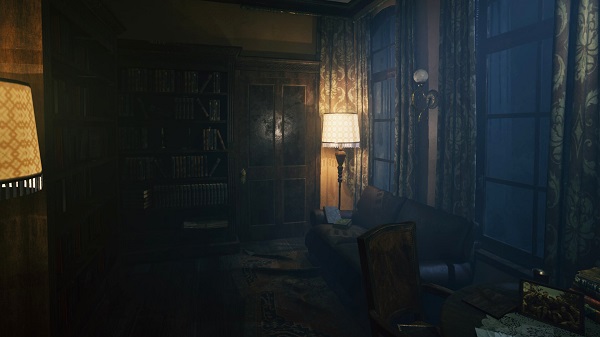
Gameplay mechanics are deliberately simple. Exploration forms the backbone of the experience, with players examining objects, solving environmental puzzles and unlocking new parts of the house as they uncover clues. The puzzles themselves are generally accessible and designed to support the narrative rather than challenge players with complex logic, making them approachable for newcomers to the genre. That said, a few moments can feel oddly unclear or inconsistent, occasionally forcing players to experiment or maybe search online when a solution doesn’t trigger as expected. Movement is also quite slow and there’s no option to run, which reinforces the reflective pace but can become slightly frustrating when revisiting areas.
Despite these limitations, the house itself is an effective stage for the story. Indigo Studios clearly aims to create an environment that feels lived-in, filled with personal objects and subtle details that hint at the lives of the people who once inhabited it. Searching drawers, inspecting paintings and reading letters gradually paints a picture of a family marked by sorrow and unresolved tension. Some design choices, however, interrupt the flow of exploration – including repeated cinematic transitions when interacting with certain notes or objects, which can make routine interactions feel more cumbersome and drawn out than they need to be.
Visually, the PlayStation 5 version delivers a strong atmospheric presentation even if it isn’t technically flawless. Lighting plays a major role in shaping the mood, with dim hallways, rain-streaked windows and carefully placed shadows giving the house a haunting quality. Environmental details such as wooden interiors, cluttered desks and aging furniture help sell the illusion of a real home frozen in time. At the same time, close inspection reveals some rough edges, including occasional muddy textures and minor graphical oddities that prevent the presentation from feeling fully polished.
Audio is where Portrait of a Torn finds much of its emotional weight. The soundtrack leans heavily on piano and violin, reinforcing the melancholy tone and swelling at key moments to emphasize the story’s tragic themes. Voice acting accompanies many of the letters and notes discovered throughout the house, which helps bring unseen characters to life and adds a personal dimension to the narrative. Unfortunately, the quality of these performances can be inconsistent, and technical issues such as mismatched subtitles or missing voiceovers sometimes disrupt the otherwise immersive atmosphere.
Ultimately, Portrait of a Torn is less about mechanical complexity and more about emotional storytelling. Its short runtime means the experience can be completed in a single evening, which suits the focused nature of the narrative, though it also raises questions about value for players expecting a longer adventure. For fans of atmospheric exploration games, however, the journey through this haunted household offers a reflective and often poignant mystery. While uneven voice acting and occasional technical roughness keep it from reaching the heights it aspires to, its moody setting and quietly tragic story ensure that the experience lingers long after the final room has been explored.
Score: 7.1/10
 Press Play Media