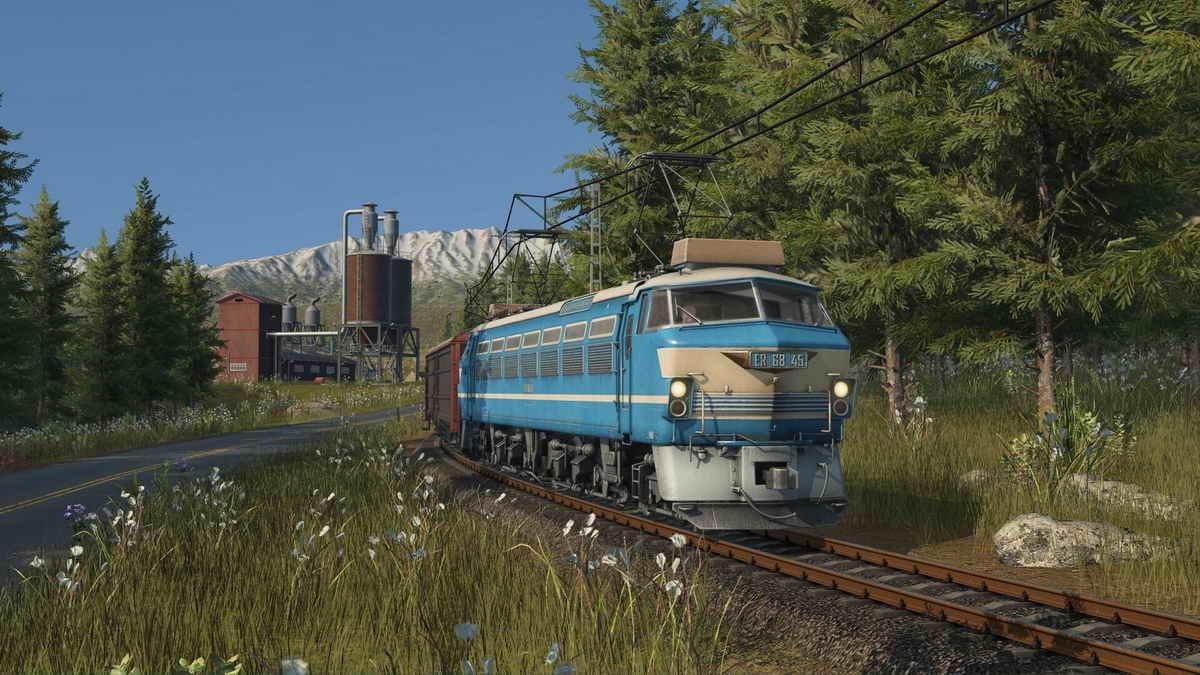
Transport Fever 3 is the latest, ambitious entry in the long-running transport-tycoon series, building on the franchise’s core strengths while adding smarter cities, deeper logistics, revamped cargo systems, advanced traffic behavior, and richer visual atmosphere. This interview with Urban Games digs into the design choices behind those changes – when refinement became reinvention, which systems were fundamentally rethought, how citizen and cargo simulations tie into economy and player decision-making, how accessibility and performance were balanced, and how the team preserved sandbox freedom alongside a historically inspired campaign.
When did refinement become reinvention, and which systems needed the biggest rethink vs. Transport Fever 2?
Given that our team has a big dedication for the series, there were a lot of ideas for new features since the beginning of development. At the same time, we didn’t want to change systems that have worked well and have been appreciated by the community for years. It was all about finding the right balance between preserving what works and introducing meaningful new depth.
One of the systems that required the most rethinking would be the new management window. Even though it may seem simple at first glance, merging line and vehicle management into one intuitive tool required a lot of conceptual work and redesign behind the scenes.
How central is the citizen-level simulation to city growth, and how did you scale it without hurting performance?
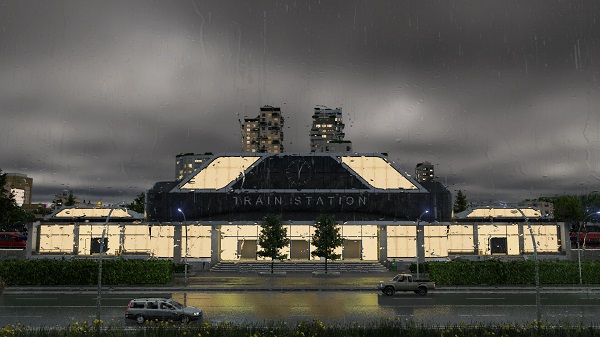
An individual simulation of each and every citizen has already been part of Transport Fever 2, so the biggest change was not with the citizens themselves, but rather the cities. They are now much more dynamic and have actual needs that must be fulfilled in order to grow at a high rate. These needs are directly influenced by the daily realities of their inhabitants, creating a tighter link between individual behavior and overall town growth.
A game with such a big scale, especially where you can go from a very high “top-down” mode all the way to watching a citizen go about their day, will always require a certain amount of computing power, that’s why our team has been hard at work optimising performance also in late game stages.
Was the cargo redesign aimed at realism or at deeper mid/late-game logistics decisions?
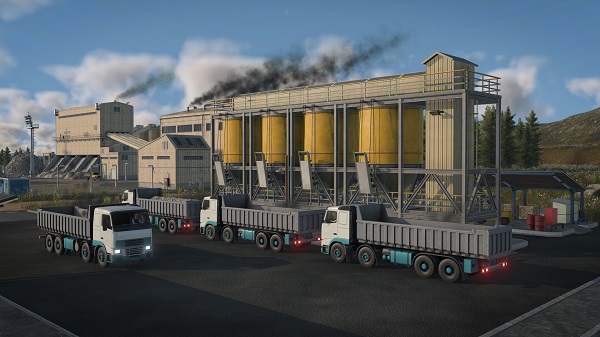
We always follow a gameplay-first approach. Since players already have full control over their infrastructure and transport networks, it felt like a natural next step to also give them greater control over the cargo moving within those systems. The goal wasn’t complexity for its own sake or strict realism, but to create more meaningful decisions, especially in mid- and late-game stages. By adding warehouses and more granular cargo management, we’re strengthening the tycoon aspect and giving players more possibilities on how they can optimize and shape their logistics chains.
Did real-world traffic engineering inform lane control and overtaking, and how do you keep that depth accessible?
Of course, we also look at how things work in real life. At the same time, the goal is not to replicate reality perfectly, but to make Transport Fever 3 a great game. This means many mechanics are refined through playtesting. Once a feature has been completed in a first iteration, we test it with different target groups, including people who are not (that) familiar with our game, in order to improve its accessibility to the optimum.
Do climate, weather, and day–night cycles affect strategy or are they purely visual?
They intentionally do not influence gameplay. Both the dynamic weather system and the day–night cycle were long-requested features from the community, but we were careful not to tie them to core mechanics.
We know that while many players enjoy added atmosphere and immersion, others prefer clear visibility and stable conditions when planning and building their networks. That’s why these systems are purely visual and can be turned off at any time, allowing everyone to play in default daylight and perfect weather if they choose.
How do you balance historical accuracy and player freedom in the campaign and sandbox?
The campaign is loosely inspired by real historical events, but we approached every mission with a gameplay-first mindset. While players will recognize the historical context, the specific transport challenges and scenarios are shaped by our own design goals.
Each mission takes place within its authentic timeframe, meaning only the vehicles from that era are available. So you won’t be saving Mardi Gras in New Orleans in 1906 with modern helicopters. In sandbox mode, however, that kind of creative freedom is absolutely possible: you can have a steam locomotive overtaken by a modern high-speed train – that’s what sandbox is about after all.
How do adjustable difficulty and optional systems let both hardcore optimizers and relaxed builders enjoy the game?
You’ve already touched the core idea: by offering highly adjustable settings, players can shape their own version of the Transport Fever 3 experience, as challenging or as relaxed as they want it to be.
For us, it’s important that new (expert) features don’t interfere with the core mechanics. That’s why elements like weather or the day–night cycle are purely visual and fully optional. This way, optimization-focused players can fine-tune a demanding economic simulation, while others can focus on creative building or diorama-style play without any setbacks.
What were the biggest technical bottlenecks you had to solve to expand simulation and keep the game stable?
The biggest challenge is always finding the right balance across all performance factors. Stability doesn’t depend on a single element, but on the interaction between map size, simulation depth, AI behavior, graphics, LOD systems, and more.
Our goal is to balance these aspects in a way that delivers a deep and expansive experience while remaining smooth and stable, without the need for a super high-tech computer to run in smooth fashion. With Transport Fever 3, we’ve found a very solid balance between ambition and performance.
 Press Play Media