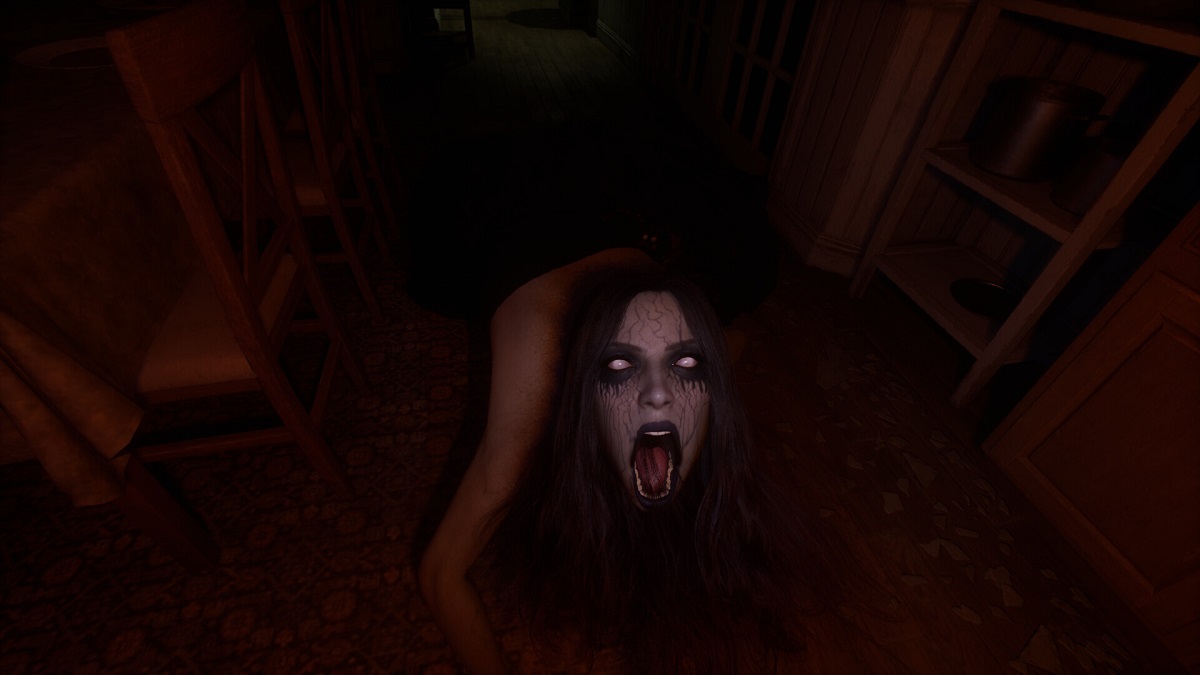
Psychological horror thrives on the uneasy feeling that something isn’t quite right, and Unsealed: The Mare leans heavily into that idea. Developed by Gamhalla and published by Perp Games on consoles, this first-person horror title places players in the role of Vera, a woman trapped inside a fractured dreamscape shaped by guilt, grief, and the lingering echoes of a family tragedy. Rather than delivering its narrative through cinematic storytelling, the game asks players to piece together fragments of the past themselves through environmental clues, handwritten notes, and unsettling glimpses of distorted memories. That approach gives the experience a strong sense of personal intimacy, drawing players deeper into Vera’s troubled psyche, although the fragmented storytelling can occasionally feel vague or underdeveloped when the pieces don’t quite connect as clearly as intended.
The game unfolds across three chapters that progressively dive deeper into Vera’s subconscious, with environments shifting between familiar domestic spaces and warped nightmare logic. Rooms twist and transform, hallways stretch unnaturally, and everyday objects appear in strange combinations that suggest memories colliding with dreams. At its best, this approach creates a compelling psychological backdrop where the horror comes less from spectacle and more from atmosphere. The story is rooted in themes of trauma, loss, and buried guilt, and when its environmental storytelling lands, it delivers a genuinely unsettling tone. However, the reliance on scattered notes for much of the narrative means that emotional beats sometimes feel diluted, especially when players miss key pieces of context or struggle to interpret the fragments they find.
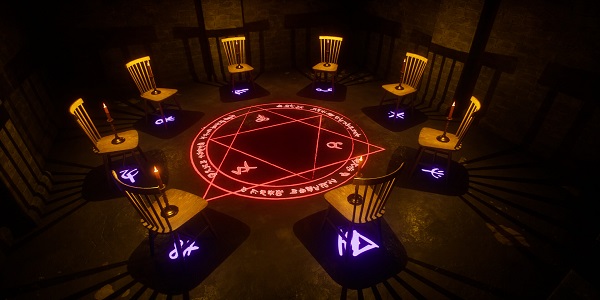
Gameplay revolves around exploration, puzzle-solving, and avoiding the mysterious entity known as the Mare. One of the most distinctive mechanics is the Focus Memory ability, which allows Vera to reveal hidden clues or alter the environment by tapping into the emotional residue of certain objects and spaces. It’s a clever idea that blends puzzle solving with storytelling, encouraging players to look more closely at their surroundings rather than simply rushing forward. Resource management adds another layer of tension, as Vera’s tools – including her flashlight, lighter, and camera – rely on limited supplies that must be used carefully in order to survive the darker stretches of the nightmare.
That said, the core gameplay loop doesn’t always maintain its initial intrigue. Several segments revolve around searching environments for objects that must be destroyed or burned to unlock progression while avoiding the ever-present threat of the Mare. Early on, the tension created by this mechanic works well, but repetition gradually sets in as the objectives repeat across increasingly similar environments. What begins as a tense hide-and-seek dynamic can eventually feel like a scavenger hunt stretched further than its design comfortably supports, especially when combined with the constant pressure of an enemy that cannot be fought directly.
Controls on the PlayStation 5 are generally responsive and straightforward, with the DualSense controller contributing subtle haptic feedback that enhances the tension during encounters with the Mare. The game’s deliberate pacing and lack of explicit guidance reinforce its oppressive atmosphere, but they can also lead to moments of confusion when you’re unsure where to go next. The experience clearly embraces a trial-and-error philosophy, encouraging players to learn from mistakes rather than relying on traditional objective markers. While that approach suits the game’s oppressive tone, it also risks frustrating players who prefer a clearer sense of direction.
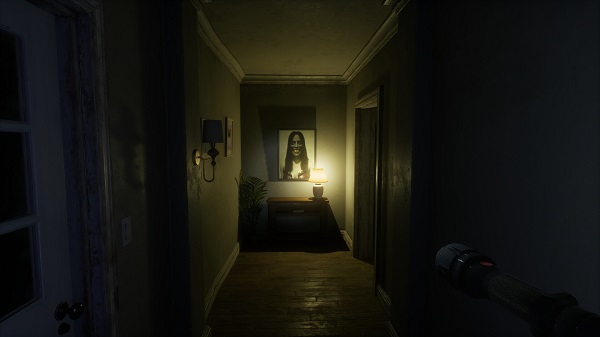
Visually, Unsealed: The Mare punches above its weight in some respects, especially considering its indie origins. The environments rely heavily on lighting and shadow to generate dread, with flickering lights and narrow corridors creating a constant sense of unease. The dreamlike level design also helps sell the idea that the player is navigating a mind rather than a physical location. However, some areas feel visually repetitive, and the game’s asset quality doesn’t always match its atmospheric ambitions. The sound design fares better, with careful audio cues playing a major role in both immersion and survival – from distant footsteps to subtle environmental noises that hint at danger nearby.
Ultimately, Unsealed: The Mare is an ambitious psychological horror experience that succeeds most when it focuses on mood and emotional tension rather than mechanical complexity. Its themes of grief and memory give the nightmare a personal edge, and the Focus Memory mechanic adds an intriguing layer to exploration and puzzle solving. At the same time, repetitive objectives, uneven pacing, and occasional rough edges in presentation prevent the game from fully realizing its potential. For players who enjoy slower, atmosphere-driven horror games where fear comes from uncertainty rather than combat, Vera’s nightmare may still be worth exploring – even if it sometimes struggles to escape the familiar patterns of the genre.
Score: 6.5/10
 Press Play Media