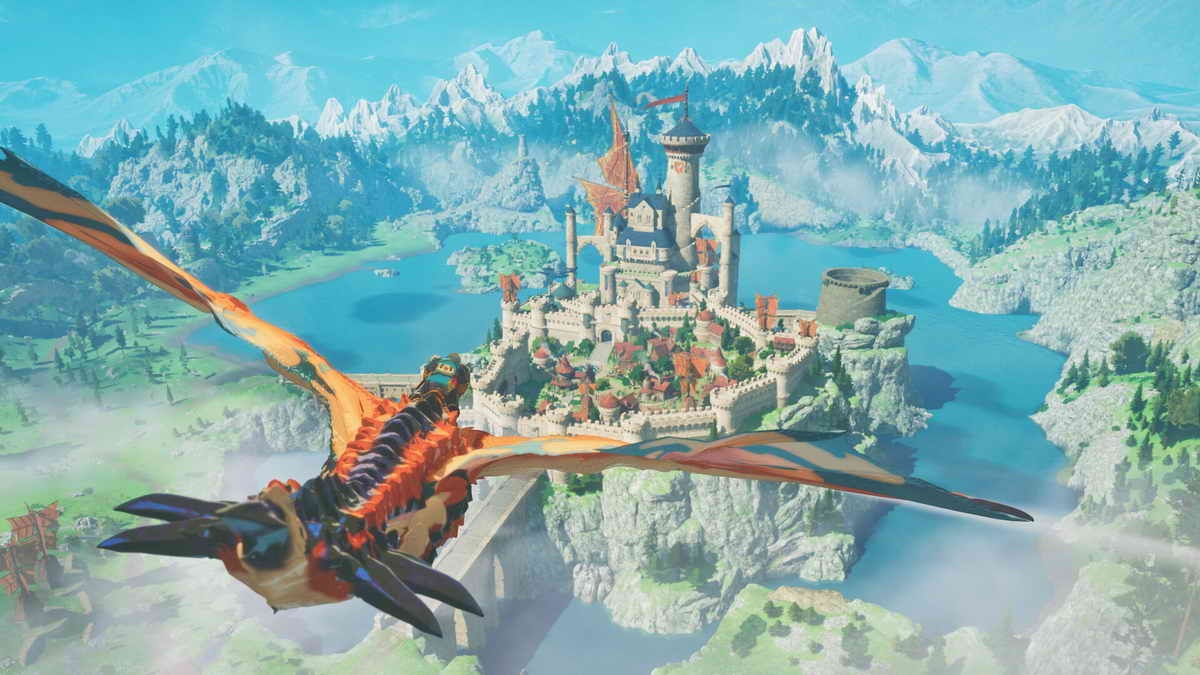
Capcom continues to refine its alternative take on the Monster Hunter formula with Monster Hunter Stories 3: Twisted Reflection, an RPG that leans heavily into narrative and character-building while retaining the creature-collecting appeal that has defined the series. Positioned as a more story-driven counterpart to the mainline entries, this third installment builds on its predecessors with a tale centered around duality, conflict, and the fragile relationship between humans and monsters. The premise of twin Rathalos tied to a looming ecological and political crisis is compelling on paper, though its execution occasionally leans into familiar genre tropes and predictable turns, especially in its early chapters.
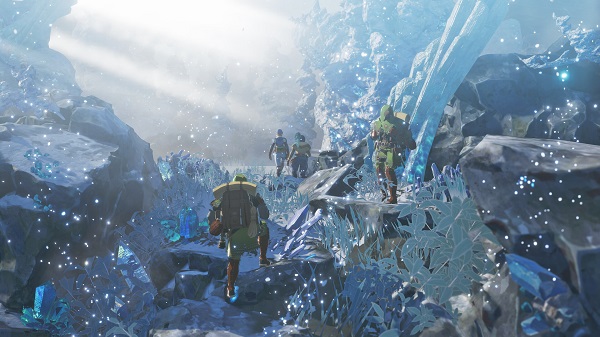
The narrative gradually finds its footing as the journey unfolds, layering in themes of legacy, responsibility, and the cyclical nature of conflict. Character interactions and world-building are handled with care, giving weight to the central conflict between the two nations and the symbolic importance of the twin Rathalos. However, pacing inconsistencies can dilute the emotional impact, with some sections feeling stretched out by repetitive objectives or exposition-heavy sequences that slow momentum. Even so, the overarching story remains engaging enough to carry players through its more uneven stretches.
Gameplay remains rooted in the series’ signature turn-based combat system, which revolves around a rock-paper-scissors dynamic of power, speed, and technical attacks. This familiar framework has been expanded with additional layers of strategy, including deeper kinship abilities and more nuanced monster customization. Battles are approachable yet offer enough tactical depth to stay engaging over time, though encounters can become predictable once optimal patterns are established. The bond system between Rider and Monstie continues to be a highlight, reinforcing the emotional connection that underpins both gameplay and narrative.
Exploration also sees meaningful enhancements, with larger environments and more varied traversal options that make the world feel more dynamic. Monsters play a key role outside of combat, granting abilities that open up new paths and secrets. While this adds a welcome sense of progression and discovery, backtracking and fetch-style quest design can occasionally undermine the sense of adventure, particularly in later stages of the game. Still, the loop of exploration, collection, and combat remains satisfying, especially for players invested in building their ideal team.
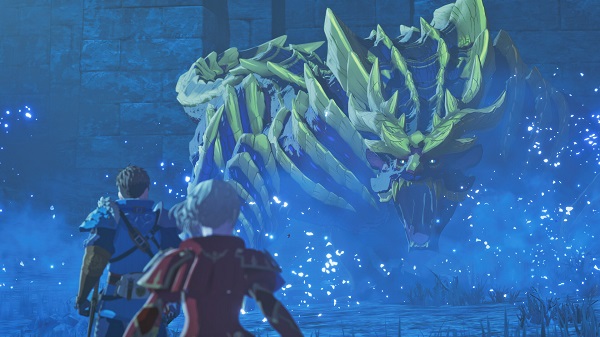
From a presentation standpoint, Twisted Reflection stands out with its vibrant art direction and expressive character designs. The game strikes a balance between stylized visuals and the more grounded aesthetic of the Monster Hunter universe, resulting in environments and creatures that feel both fantastical and cohesive. Performance is generally stable, though minor technical issues such as occasional frame drops or animation quirks were seen. These issues rarely detract significantly from the overall experience but are noticeable nonetheless.
The audio design complements the visual presentation effectively, with a sweeping orchestral score that underscores the game’s more dramatic moments. Voice acting helps bring the cast to life, though not all performances land equally, and some dialogue delivery can feel uneven. Sound effects, particularly in combat, carry the weight expected from a Monster Hunter title, reinforcing the impact of attacks and abilities. Together, the audiovisual elements contribute to an immersive experience, even if they don’t consistently reach the highs of Capcom’s flagship entries.
Ultimately, Monster Hunter Stories 3: Twisted Reflection is a confident continuation of the spin-off series, refining its core systems while expanding its scope. It doesn’t completely escape the limitations of its formula, with pacing issues and occasional repetition holding it back from true excellence, but it succeeds in delivering a heartfelt and mechanically engaging RPG. For fans of the series and newcomers alike, it offers a distinct perspective on the Monster Hunter universe – one that prioritizes connection and storytelling over pure action, while still retaining enough strategic depth to keep players invested over the long haul.
Score: 8.3/10
 Press Play Media