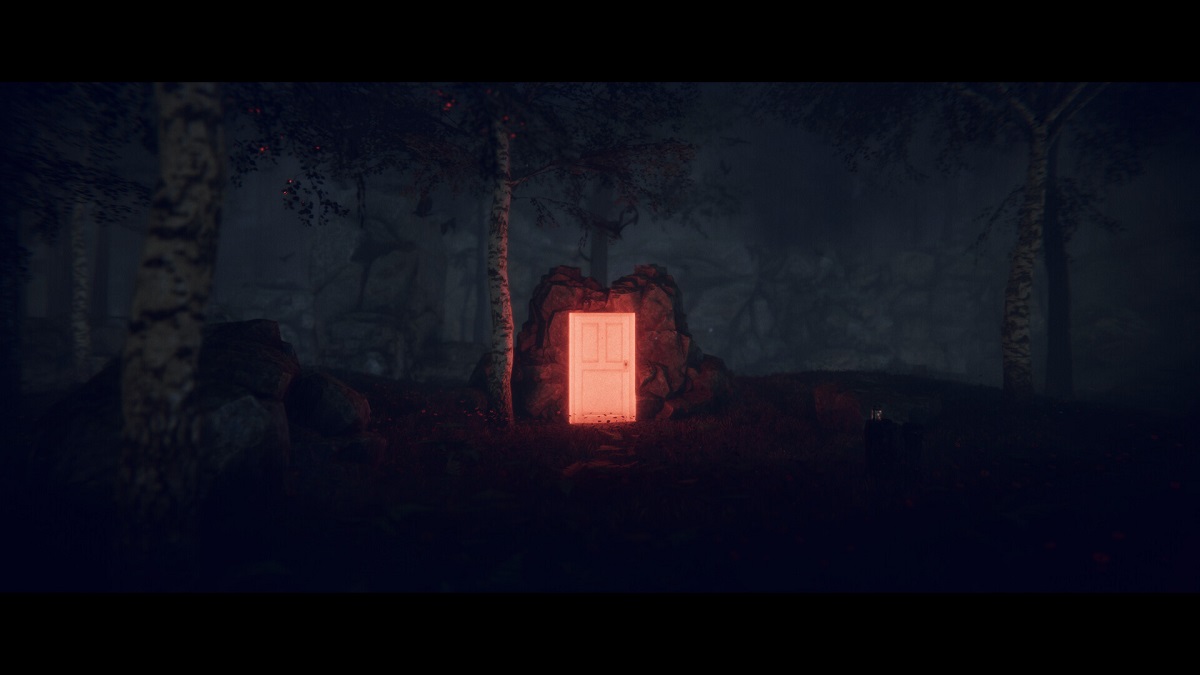
Project Songbird positions itself as an intensely personal psychological horror experience, and that intent is immediately apparent in how it frames its premise. Developed by solo developer Conner Rush and published under FYRE Games, the title follows Dakota, a struggling musician retreating into isolation in the Appalachian wilderness to overcome creative paralysis. What begins as a familiar setup quickly morphs into something more abstract and unsettling, blending grounded emotional themes with increasingly surreal horror elements. The narrative’s introspective angle is one of its strongest aspects, though its ambiguity and fragmented storytelling can occasionally make it difficult to fully grasp without careful attention.
The game leans heavily on environmental storytelling and tonal shifts to carry its narrative forward. Quiet moments of exploration contrast sharply with bursts of psychological tension, and this pacing works well in maintaining a sense of unease. However, the storytelling approach is not always consistent – while some sequences land with emotional clarity, others feel deliberately opaque to the point of frustration. This unevenness may divide players, particularly those expecting a more traditionally structured horror narrative.
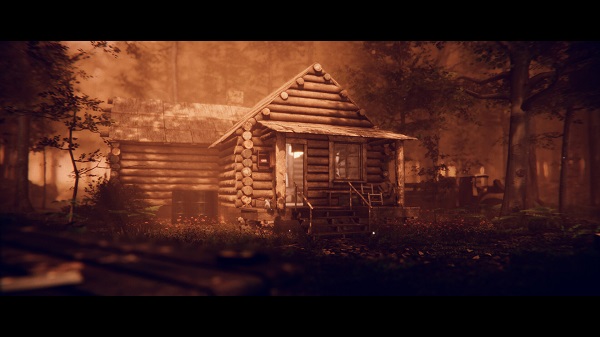
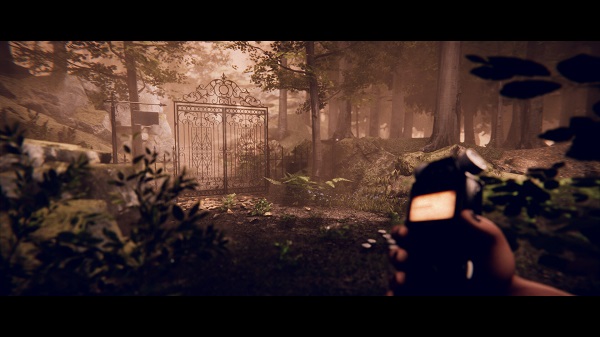
Gameplay in Project Songbird sits somewhere between a walking simulator and a light survival horror experience. Exploration forms the backbone, with players navigating dense environments and dreamlike spaces that often blur reality. Combat is present, featuring both ranged and melee options, but it feels more like a supplementary system than a core pillar. While the inclusion of weapon upgrades adds a layer of progression, the mechanics themselves can feel underdeveloped, lacking the responsiveness and depth seen in more combat-focused titles.
That said, the restraint in gameplay design does serve the overall atmosphere. Encounters are used sparingly, which helps preserve tension, and the relative simplicity ensures that narrative and mood remain front and center. Still, some players may find the limited interactivity and occasional mechanical clunkiness detract from immersion, particularly when control responsiveness doesn’t quite match the game’s cinematic ambitions.
Visually, Project Songbird is one of FYRE Games’ most accomplished efforts to date. The Appalachian setting is rendered with a striking level of detail, capturing both the beauty and isolation of its natural environment. Dream sequences, in particular, stand out for their surreal art direction, often shifting perspective and tone in ways that reinforce the protagonist’s mental state. While not every texture or animation holds up under scrutiny, the overall presentation succeeds in delivering a cohesive and memorable aesthetic.
Audio design plays an equally critical role in shaping the experience. The soundtrack, with its blend of haunting melodies and ambient tension, complements the narrative’s emotional core while amplifying moments of dread. Voice acting is another highlight, lending credibility and weight to the story’s more intimate moments. At times, however, audio cues can feel slightly overused or predictable, particularly in more conventional horror sequences, which slightly undercuts their impact.
Ultimately, Project Songbird is a game that prioritizes expression over convention. Its strengths lie in its atmosphere, visual identity, and willingness to explore deeply personal themes, even if that comes at the expense of mechanical polish and narrative clarity. For players willing to engage with its slower pace and interpretive storytelling, it offers a compelling and often haunting journey. Others may find its gameplay limitations and uneven execution harder to overlook, but even then, it stands as a distinctive entry in the psychological horror space that reflects a singular creative vision.
Score: 7.6/10
 Press Play Media