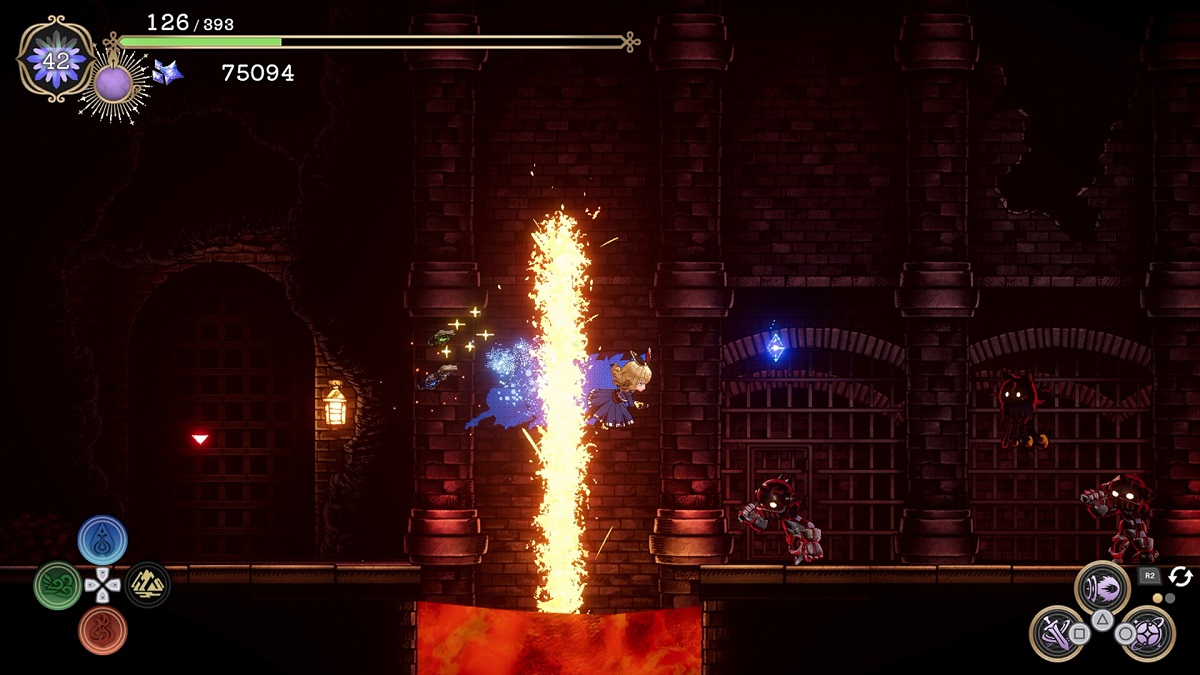
Ariana and the Elder Codex, developed by Compile Heart and published by Idea Factory International, positions itself as a side-scrolling action RPG with a distinctly storybook-like framing, blending platforming with spell-based combat on PlayStation 5. Its premise is immediately striking: a world stripped of magic due to corrupted tomes, with a lone librarian stepping into rewritten narratives to restore order. It’s a concept that leans heavily into fantasy escapism, but its execution tends to keep things relatively light, offering a charming backdrop rather than a deeply layered narrative. While the central mystery surrounding the Codices provides a consistent throughline, the storytelling often feels understated, occasionally lacking the emotional weight or character development needed to fully capitalize on its intriguing setup.
That lighter narrative touch extends into the pacing of the experience. Ariana’s journey is structured around entering individual Codices, each functioning as a self-contained world with its own themes and environmental twists. This episodic design works well for variety, but it can also fragment the overall narrative cohesion, making it harder for the overarching story to build meaningful momentum. Some interactions and plot beats feel underdeveloped, suggesting a world with more depth than the game ultimately explores.
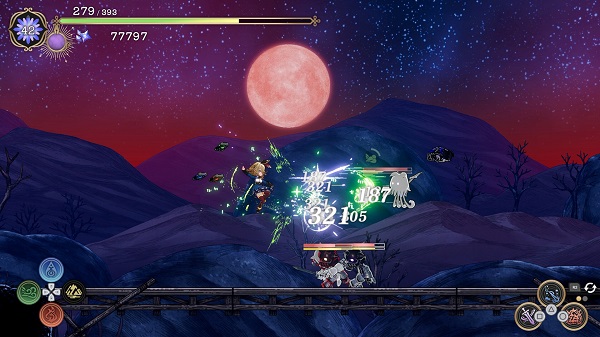
Gameplay is where Ariana and the Elder Codex finds its strongest footing, even if it doesn’t fully escape familiar genre conventions. The core loop revolves around 2D exploration, combat encounters, and platforming challenges, with a clear emphasis on mobility and ability-driven progression. Unlocking new spells not only enhances combat options but also opens up traversal possibilities, giving the game a light Metroidvania-like structure. However, progression tends to be more guided than truly exploratory, limiting the sense of discovery that fans of the genre might expect.
Combat itself is built around a flexible magic system, allowing players to equip multiple spells and experiment with different loadouts. This creates a satisfying level of customization, particularly when combining elemental effects and adapting to enemy types. At the same time, balance issues occasionally surface, with certain abilities overshadowing others and reducing the incentive to experiment once a strong setup is found. The overall difficulty curve also leans toward the accessible side, which makes the game approachable but may leave more experienced players wanting a greater challenge.
Platforming and controls are generally responsive, supporting the game’s emphasis on agility and quick reactions. That said, there are moments where precision feels slightly off, particularly during more demanding sequences or when navigating tight spaces. These minor inconsistencies don’t derail the experience, but they do become noticeable over time, especially in sections that require repeated attempts. The inclusion of time-based challenges and repair objectives adds some welcome tension, though not all of them feel equally rewarding.
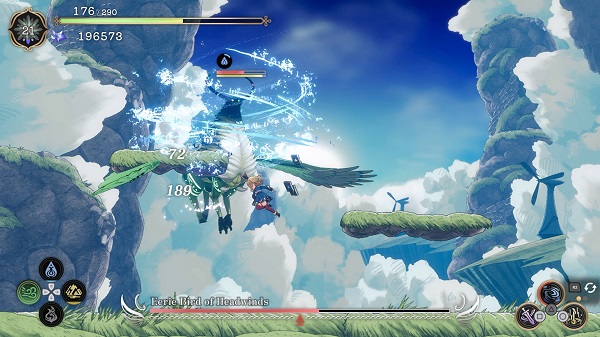
Visually, the game adopts a bright, anime-inspired aesthetic that complements its storybook premise. Character designs are expressive and colorful, and spell effects add a layer of visual flair during combat. The environments, while varied across Codices, can sometimes feel a bit simplistic or lacking in detail, which slightly undercuts the sense of immersion. On the audio side, the soundtrack does its job without standing out, providing fitting background accompaniment but rarely elevating key moments. Voice work is present but somewhat limited, which contributes to the game’s occasionally subdued storytelling.
Taken as a whole, Ariana and the Elder Codex delivers a competent and often enjoyable blend of action, platforming, and light RPG mechanics. Its strengths lie in its accessible design and flexible combat system, while its small shortcomings stem from a lack of depth in both narrative and gameplay complexity. It’s a game that feels comfortable within its boundaries – rarely pushing the genre forward, but still offering enough charm and mechanical variety to remain engaging throughout its runtime. For players looking for a relaxed, visually appealing action RPG with a touch of experimentation, it provides a fun, if not particularly groundbreaking, experience.
Score: 8.0/10
 Press Play Media