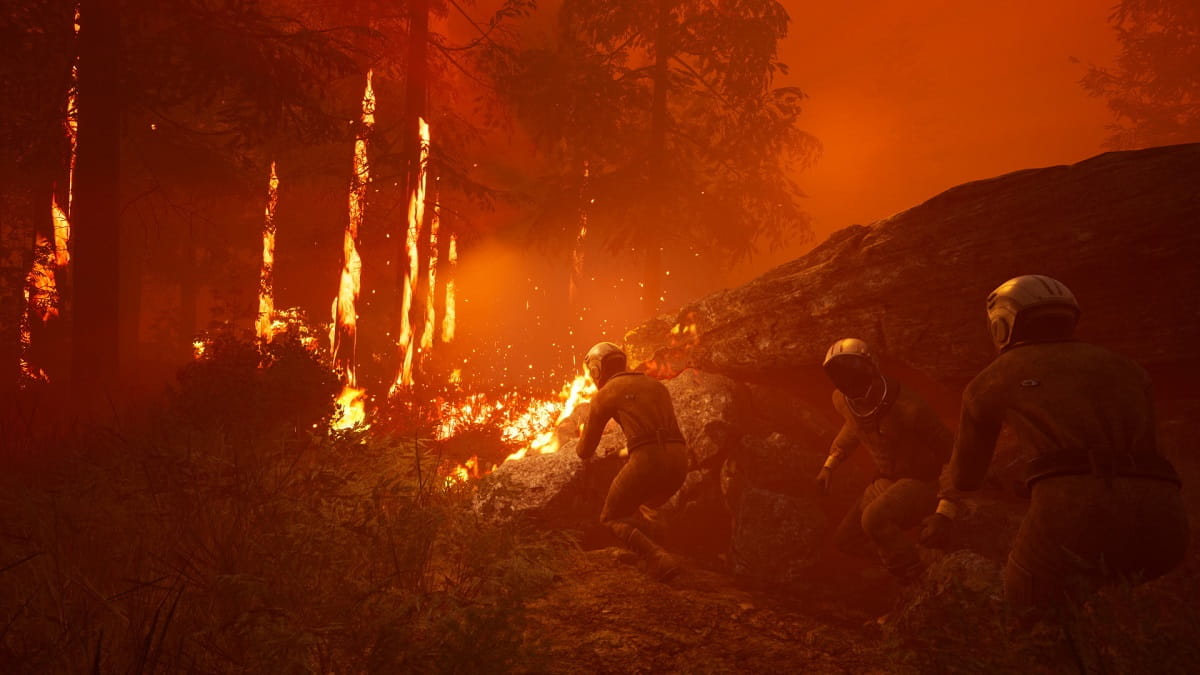
ICARUS: Console Edition, originally developed by RocketWerkz and published by GRIP Digital, brings a demanding survival experience to PlayStation 5 that leans heavily into systemic complexity and environmental hostility. Set on a failed terraforming project gone catastrophically wrong, the game drops players onto a planet that actively resists human presence, framing survival not as a gradual climb but as a constant uphill struggle. While its premise is compelling in its harshness and scale, narrative cohesion remains relatively light, with storytelling largely embedded in mission structure and environmental context rather than character-driven arcs. The inclusion of the New Frontiers expansion at launch significantly broadens the scope, adding a more directed narrative thread in the Prometheus region, though it still plays second fiddle to the game’s survival mechanics.
Gameplay is where ICARUS both excels and falters. Its core loop – dropping onto the planet, gathering resources, crafting tools, and attempting extraction – creates a high-stakes rhythm that distinguishes it from more persistent survival sandboxes. Timed missions add tension, forcing players to balance ambition with caution, while the open world and outpost modes offer more relaxed alternatives. However, this structure can also feel punishing, particularly when progress is partially reset between missions, leading to a sense of repetition and lost momentum. The depth of crafting and tech progression is impressive, offering a satisfying climb from primitive tools to advanced equipment, but it comes with a steep learning curve and occasional pacing issues.
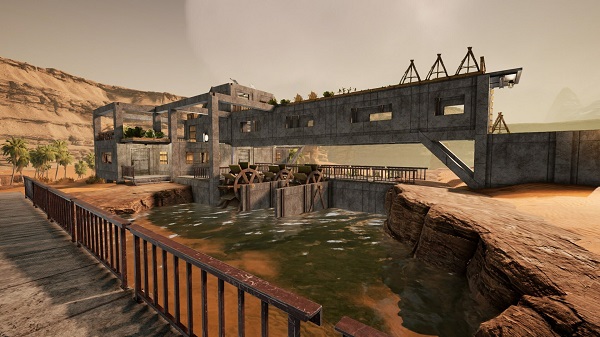
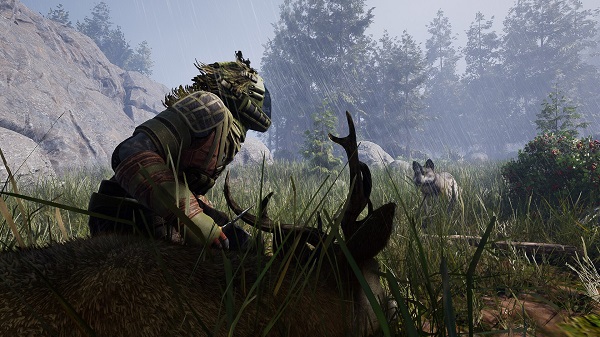
The game’s survival systems are uncompromising to a fault. Weather events such as violent storms, wildfires, and toxic atmospheric conditions are not mere background elements but central threats that can dismantle player-built structures in moments. This creates a constant tension that enhances immersion, yet can also tip into frustration, especially when losses feel abrupt or unavoidable. Wildlife encounters further reinforce this unpredictability, with aggressive creatures often posing significant danger early on. While this design reinforces the theme of a hostile planet, it can alienate players who prefer a more forgiving progression curve.
On the control side, the transition to console has been handled competently, though not without limitations. The interface, originally designed for PC, occasionally feels cumbersome when navigated with a controller, particularly in inventory management and crafting menus. Despite this, moment-to-moment controls – movement, combat, and interaction – are generally responsive and functional. There’s a clear effort to adapt the experience for console audiences, but certain complexities inherent to the game’s systems remain slightly unwieldy in this format.
Visually, ICARUS delivers a striking portrayal of alien wilderness. Dense forests, rugged mountain landscapes, and the more exotic biomes introduced in New Frontiers provide a strong sense of place, with dynamic weather effects adding to the atmosphere. Lighting and environmental detail often stand out, particularly during storms or at night. However, technical inconsistencies can detract from the experience, with performance dips and occasional graphical issues, especially during more demanding scenarios. These fluctuations prevent the visuals from consistently reaching their full potential.
Audio design supports the experience effectively, emphasizing environmental immersion over melodic presence. The soundscape – howling winds, distant wildlife, and the crackle of environmental hazards – reinforces the sense of isolation and danger. Music takes a more subdued role, surfacing primarily to underscore tension rather than drive the experience. While this approach suits the game’s tone, it may leave some players wanting a more memorable or dynamic score to accompany the long stretches of survival gameplay.
Ultimately, ICARUS: Console Edition is a deeply ambitious survival game that thrives on tension, scale, and systemic depth, but struggles with accessibility and consistency. Its mission-based structure and unforgiving mechanics set it apart from genre peers, offering a uniquely high-stakes experience that rewards careful planning and perseverance. At the same time, its steep difficulty curve, occasional technical shortcomings, and somewhat rigid progression systems can make it feel more punishing than rewarding. For players willing to embrace its demands – especially in co-op – it offers a rich and often exhilarating survival challenge, but it remains a game that asks for patience as much as skill.
Score: 7.0/10
 Press Play Media