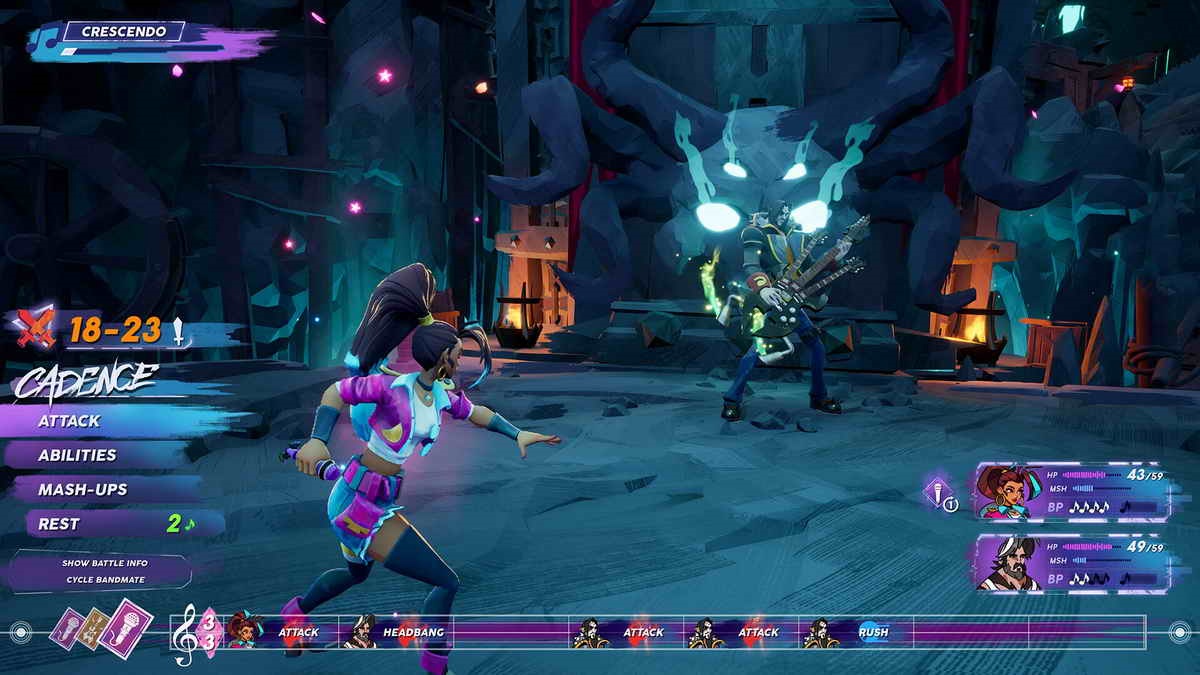
People of Note feels like a stylistic outlier in the RPG space, blending turn-based combat with rhythm mechanics and wrapping it all in a musical theatre presentation that feels as ambitious as it is unconventional. Developed by Iridium Studios and published by Annapurna Interactive, the game follows aspiring pop singer Cadence as she travels across a musically fractured world in pursuit of stardom, only to become entangled in a broader conflict that threatens the very fabric of music itself. It’s a premise that leans heavily into theatrical flair, and while it occasionally stumbles in execution, it succeeds in carving out a distinct identity.
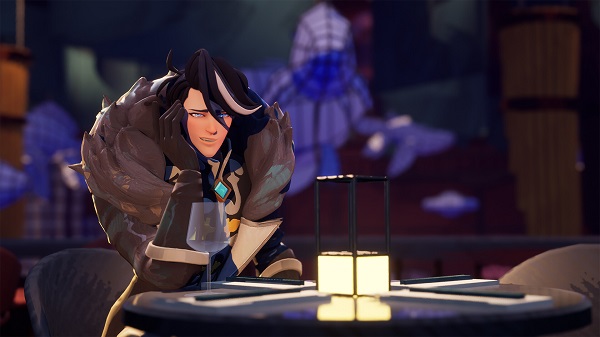
Narratively, the game thrives on its commitment to tone and worldbuilding. Each region is shaped around a different musical genre, giving the journey a sense of variety that extends beyond aesthetics into character design and storytelling beats. Cadence herself is a likable lead, though her arc follows familiar underdog trajectories, and the supporting cast – while colorful – can feel uneven in terms of depth and development. Some character moments resonate thanks to strong musical integration, but others struggle to land due to pacing inconsistencies and dialogue that doesn’t always carry the same emotional weight as its presentation suggests.
Gameplay is where People of Note takes its biggest risks, merging traditional turn-based systems with rhythm-based inputs. Timing attacks to the beat adds a layer of engagement that elevates otherwise standard encounters, rewarding precision with increased damage and flow. However, this hybrid approach isn’t always seamless. The rhythm mechanics can feel imprecise at times, and the reliance on timing can become frustrating when audiovisual cues aren’t perfectly aligned, particularly in more complex encounters. Still, when it clicks, the system delivers a satisfying sense of performance that aligns well with the game’s thematic core.
The dynamic combat conditions, which shift based on musical genres mid-battle, introduce an additional strategic layer. Players are encouraged to adapt their approach on the fly, synchronizing abilities with changing tempos and styles. This concept is inventive, but its execution can be uneven, as the impact of these shifts isn’t always clearly communicated, leading to moments where strategy gives way to trial and error. The mashup attack system, which combines party members’ musical identities, stands out as a highlight, offering visually and mechanically rewarding payoffs that reinforce the game’s central ideas.
Exploration and progression offer a mixed experience. The world of Note is visually diverse and creatively realized, but traversal and dungeon design can feel formulaic. Environmental puzzles add variety, yet their implementation lacks consistency, and the option to disable them entirely speaks to a design that isn’t always confident in its own mechanics. Customization options are robust, allowing players to tailor the experience to their preferences, but this flexibility can also dilute the intended challenge and cohesion of the overall design.
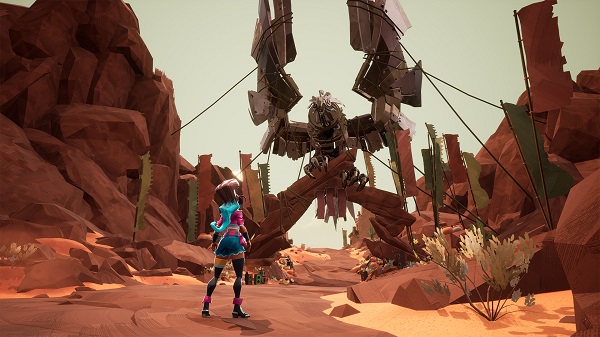
Visually, the game leans into vibrant, stylized presentation, with bold color palettes and theatrical flourishes that reinforce its musical identity. Character animations during performances are a clear highlight, capturing the energy and spectacle the game aims for. Outside of these moments, however, the visual fidelity can feel less consistent, with some environments lacking the same level of detail or dynamism. Performance on PlayStation 5 is generally stable, though minor technical hiccups can occasionally disrupt the flow.
Audio is, unsurprisingly, the centerpiece. The soundtrack spans multiple genres and plays a crucial role in both gameplay and storytelling. Many of the musical numbers are memorable and well-integrated, enhancing key moments and reinforcing character identities. That said, not every track lands equally well, and the repetition of certain musical elements during extended play sessions can diminish their impact. Even so, the overall audio design remains one of the game’s strongest assets, anchoring its more experimental ideas and unique identity.
Ultimately, People of Note is a game defined by its ambition. It doesn’t always strike the perfect chord, particularly when its mechanical systems clash or its pacing falters, but its willingness to experiment sets it apart in a crowded genre. For players willing to embrace its quirks, there’s a unique and often rewarding experience to be found – one that may not be flawless, but is undeniably memorable.
Score: 7.8/10
 Press Play Media