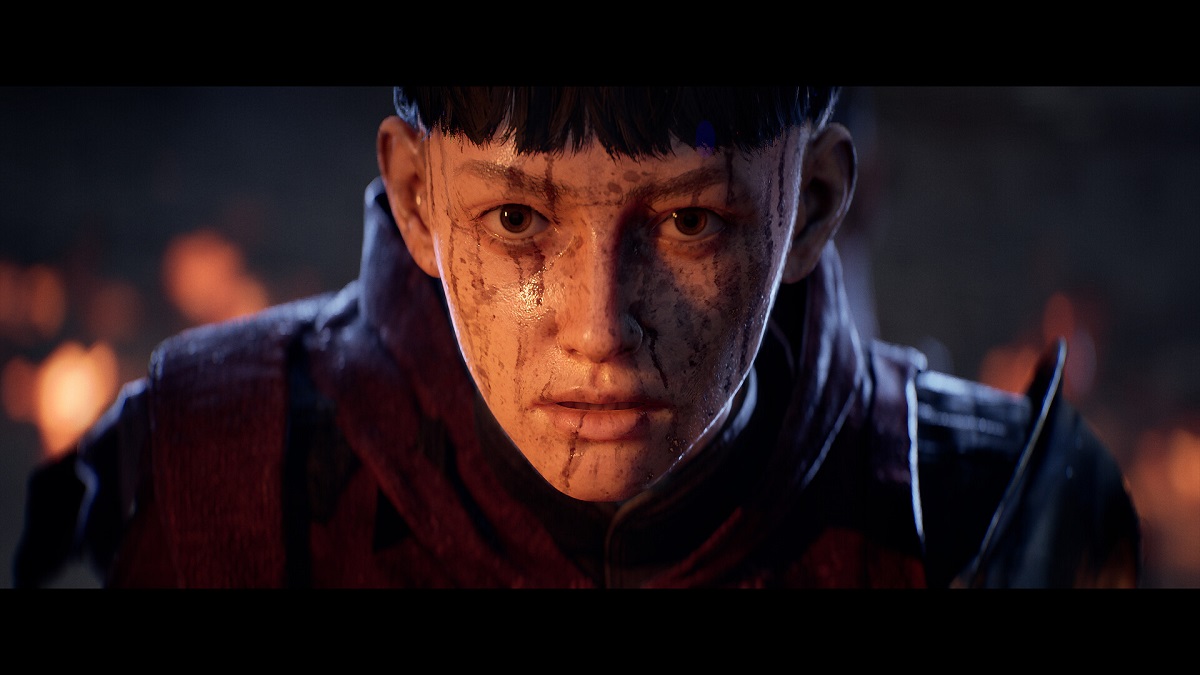
Set against the backdrop of a plague-ridden 14th-century Italy, 1348 Ex Voto positions itself as a grounded, historically inspired action-adventure from Sedleo, published by Dear Villagers. The game follows Aeta, a young knight driven by a personal vow to rescue a loved one, weaving a narrative that leans heavily on hardship, faith, and the societal fractures of the late medieval period. Its premise is immediately compelling, drawing strength from its setting – an era marked by disease, unrest, and spiritual turmoil – but while the thematic ambition is clear, the storytelling often struggles to maintain momentum, occasionally feeling fragmented in how it delivers its emotional beats.
Narratively, the game benefits from its somber tone and commitment to depicting a bleak Europe in crisis, with environments and incidental storytelling reinforcing a world in decline. There is a sincerity to Aeta’s journey that resonates, especially in quieter moments where the game allows its atmosphere to carry the weight. However, character development and dialogue can come across as uneven, sometimes lacking the depth needed to fully sell the stakes of the central relationship. The result is a story that is evocative in concept but less consistent in execution, with pacing issues that dilute its emotional impact over time.
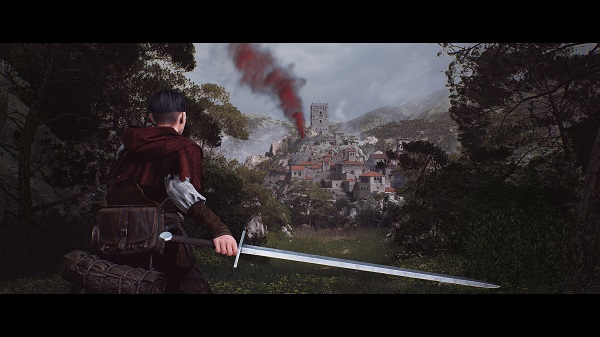
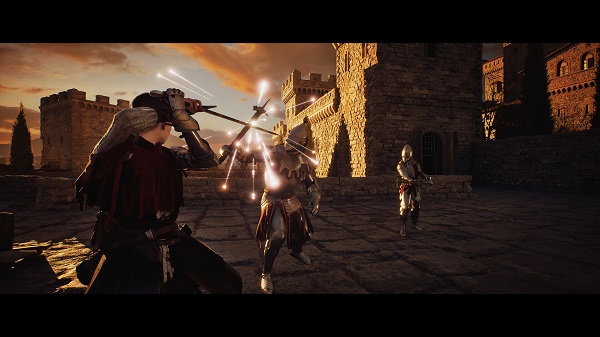
Gameplay centers around deliberate, stance-based sword combat inspired by historical European martial arts, and this is where 1348 Ex Voto finds some of its strongest ideas. The ability to switch between one-handed and two-handed stances introduces a tactical layer that encourages adaptability, particularly when facing different enemy types. Timing, positioning, and stamina management all play a role, giving combat a measured, almost methodical rhythm. Yet this system is not without its flaws – responsiveness can feel inconsistent, and encounters sometimes lack the fluidity needed to make prolonged combat engaging rather than cumbersome.
Exploration complements the combat by guiding players through a variety of environments, from rural villages to mountainous regions and remnants of classical architecture. These spaces are visually evocative and help ground the experience in its historical inspiration, rewarding curiosity with collectibles and lore elements. Still, the level design can feel somewhat rigid, with limited interactivity and occasional repetition that undercuts the sense of discovery. The structure leans more toward linear progression than true open-ended exploration, which may disappoint players expecting a broader sandbox.
On a technical level, the PlayStation 5 version presents a mixed picture. Visually, the game succeeds in establishing a distinct atmosphere, with muted color palettes and environmental detail that reinforce its grim setting. Lighting and environmental storytelling stand out in particular, helping to convey the oppressive mood of a continent in decline. However, character models and animations can lack polish, and performance inconsistencies occasionally break immersion, pointing to the limitations of the game’s production scope.
Audio design follows a similar trajectory. The soundtrack supports the tone effectively, leaning into melancholic and understated compositions that enhance the sense of isolation. Ambient sound design also contributes positively, particularly in outdoor areas where environmental cues add depth. Voice acting, on the other hand, varies in quality, with some performances feeling subdued to the point of detachment, which in turn impacts the delivery of key narrative moments.
Ultimately, 1348 Ex Voto is a project defined as much by its ambition as by its limitations. It offers a compelling setting and a combat system with genuine potential, but these strengths are tempered by technical rough edges, uneven pacing, and a lack of refinement in key areas. For players drawn to historically grounded experiences and slower, more deliberate action, there is value to be found here. However, those expecting a polished, fully realized AAA experience may find its shortcomings difficult to overlook. It stands as an earnest but imperfect attempt to bring a rarely explored period to life, with flashes of brilliance that hint at what could have been with a broader scope and greater polish.
Score: 6.3/10
 Press Play Media