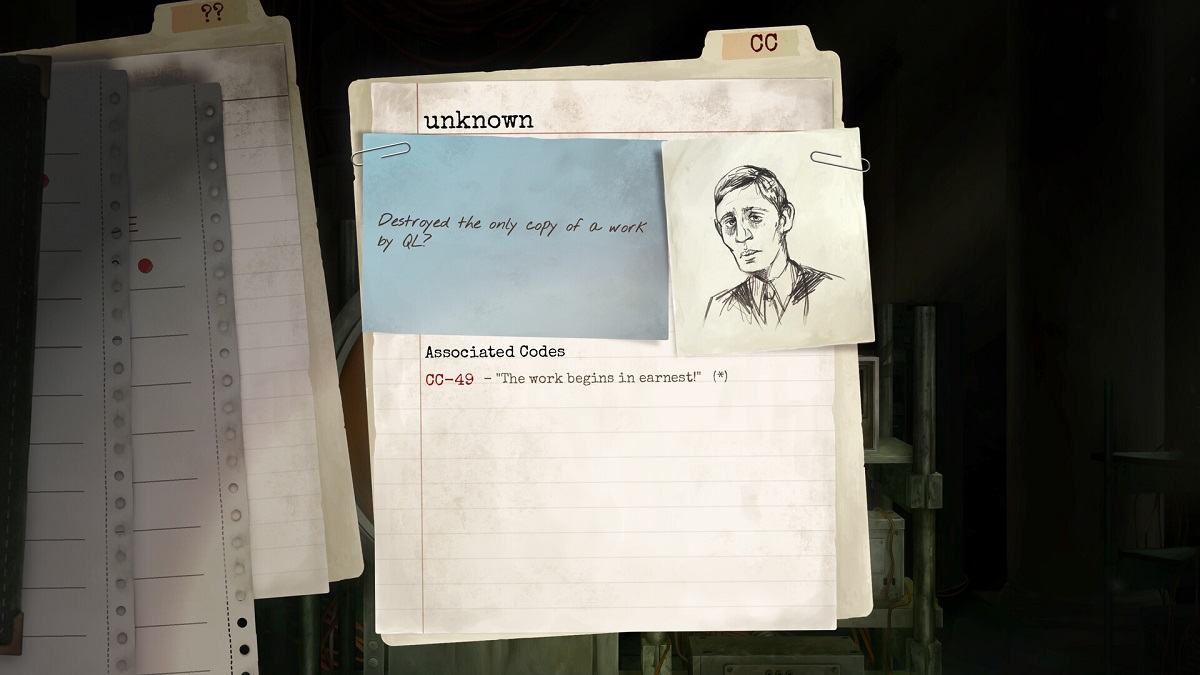
TR-49 continues developer inkle’s fascination with experimental storytelling, presenting a premise that blends wartime intrigue with abstract, almost metaphysical mystery. Set around a strange machine hidden beneath a church, the narrative unfolds through fragments – books, letters, and recorded voices – tasking players with locating a seemingly dangerous text buried deep within an ever-expanding archive. It’s an evocative setup that thrives on ambiguity and atmosphere, but one that can occasionally feel deliberately opaque, asking for patience and a willingness to embrace uncertainty rather than offering immediate narrative clarity.
At the heart of TR-49 lies its deduction-driven gameplay, which leans heavily into text analysis and associative reasoning. Players sift through documents, linking ideas, names, and concepts in order to unlock new threads within the archive. This creates a satisfying sense of intellectual progression when connections click into place, echoing the appeal of other deduction-heavy experiences. However, that same design can also become overwhelming, particularly as the archive grows denser and more interconnected, making it easy to lose track of leads or feel stuck without clear direction.
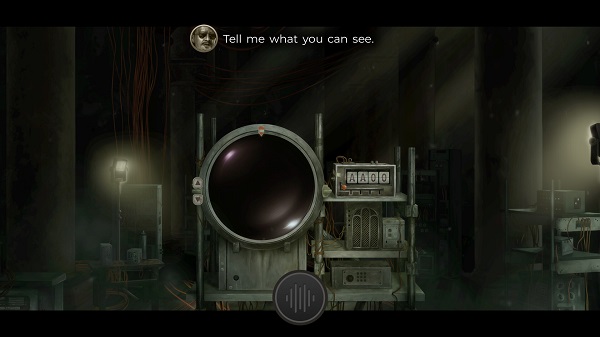
Navigation and interaction on the Nintendo Switch are functional but not without friction. While the interface is clearly designed to mimic a retro computing environment, complete with layered menus and text-heavy inputs, it doesn’t always translate smoothly to console controls when playing on a TV. Scrolling through large volumes of text or managing multiple threads can feel cumbersome at times, especially compared to a mouse-driven setup. That said, there’s a certain tactile charm to the system once players acclimate, reinforcing the illusion of interacting with an arcane, decades-old machine.
Narratively, the game’s strongest asset is its commitment to layered storytelling. The lives of the machine’s creators, the mysterious handler guiding the player, and the various authors whose works populate the archive gradually intertwine in unexpected ways. The writing is consistently strong, with a tone that balances intellectual curiosity and creeping unease. Still, the fragmented delivery means that emotional engagement can vary – some threads resonate deeply, while others feel more like connective tissue than compelling stories in their own right.
The audio presentation plays a crucial role in elevating the experience. Voice performances are delivered with a naturalistic cadence that helps ground the more abstract elements of the narrative, turning conversations with the unseen handler into some of the game’s most memorable moments. The soundtrack complements this well, underscoring the sense of isolation and discovery without becoming intrusive. Visually, TR-49 remains minimalistic, relying on stylized interfaces and text presentation rather than traditional graphical spectacle, which suits the concept but may limit its appeal for players expecting a more visually dynamic experience.
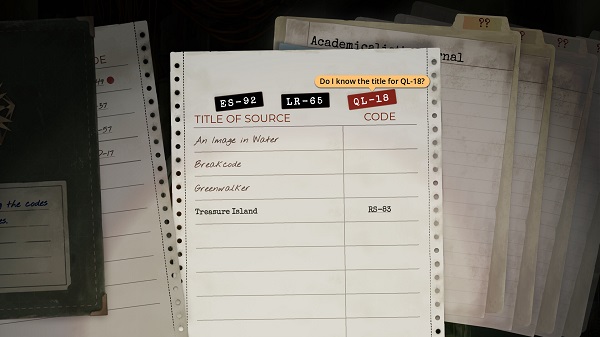
Pacing is where TR-49 proves most divisive. The open-ended structure allows players to explore at their own rhythm, which can be liberating when progress flows naturally. However, the lack of explicit guidance can just as easily lead to stagnation, spending long stretches retracing steps or experimenting with connections that don’t immediately yield results. This uneven tempo is intrinsic to the game’s design philosophy, but it won’t suit everyone.
Ultimately, TR-49 is a deliberately niche experience that rewards curiosity, attention to detail, and a tolerance for ambiguity. Its strengths lie in its writing, voice work, and the unique satisfaction of piecing together a complex narrative puzzle. At the same time, its demanding structure, occasionally unwieldy interface, and uneven pacing may alienate those looking for a more guided or traditionally interactive experience. For players willing to engage on its terms, however, it offers a distinctive and intellectually engaging journey into the unknown.
Score: 8.0/10
 Press Play Media