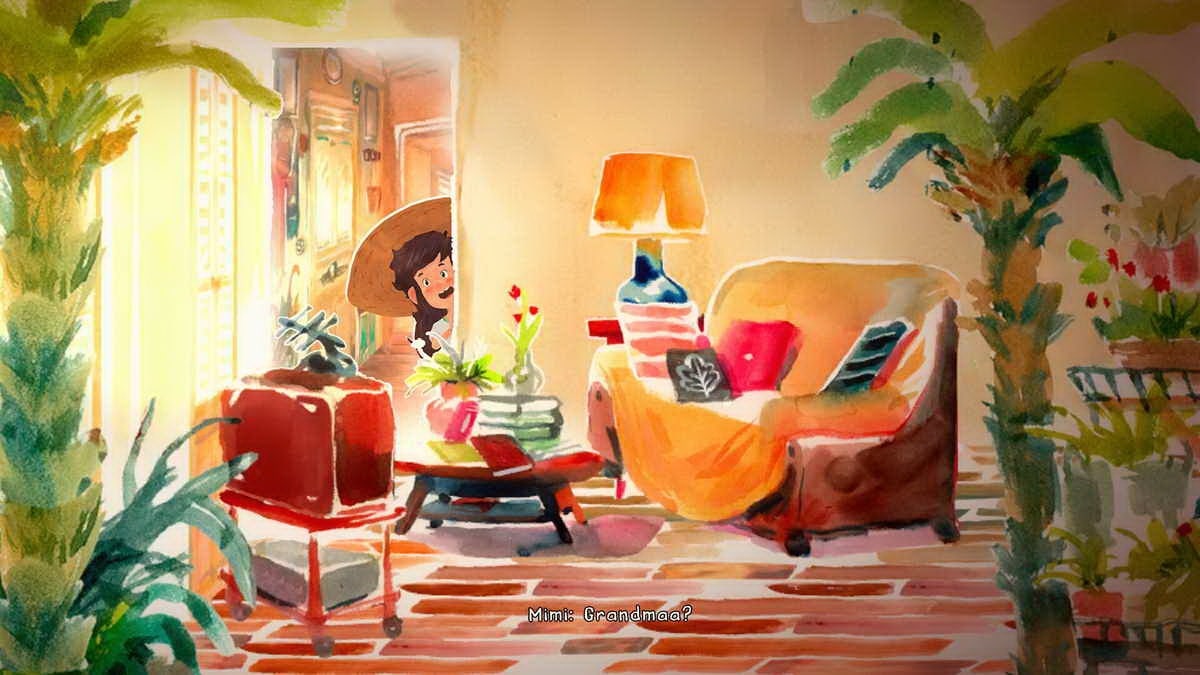
Dordogne, developed by Un Je Ne Sais Quoi and Umanimation and published by Focus Entertainment, offers players a unique narrative experience that immerses them in a vibrant journey filled with warm memories. As Mimi, the protagonist, you embark on a quest to uncover lost family secrets and reconcile with your late grandmother’s legacy. The game’s stunning hand-painted watercolor landscapes bring the Dordogne region to life, while the heartwarming narrative and nostalgic themes captivate players from start to finish.
Besides the lovely audiovisual presentation, another interesting aspect of Dordogne is the way it deals with its engaging gameplay mechanics. Instead of the usual point-and-click interactions, the game introduces quirky and imaginative actions that add a playful flair to everyday tasks. From inserting and rotating keys to pouring cereal or slingshotting word bubble greetings, Dordogne continuously surprises players with fresh and inventive ways to interact with the world. If we had to nitpick then we’d say the controls are optimized more for mouse or touch controls than a gameplay, but this is a minor issue and the gameplay mechanics successfully enhance the overall experience.

Throughout the game, players assume the role of a 12-year-old Mimi, navigating through flashback sequences that recount her summer vacation with her grandmother Nora. Collecting photos, recording sounds, and gathering stickers, cassette tapes, and scattered words, Mimi’s goal is to fill her scrapbook and weave a poetic narrative unique to each player’s adventure. The satisfaction of collecting these items and forming simple poems adds a sense of accomplishment and progress, though they rarely provide you with in-game rewards.
Visually, Dordogne is like a painted masterpiece. The exquisite watercolor art direction breathes life into every scene, evoking the feeling of exploring an interactive art gallery. The brush strokes and framing of certain scenes create stunning static images, but occasional odd angles make it challenging to discern walkable paths, resulting in some minor navigation issues. Character models also embody the visual appeal of the game, complemented by a lovely soundtrack that enhances the charming atmosphere. Dordogne feels like a living French arthouse film, where the visuals and audio work in harmony to immerse players in a captivating aesthetic experience.
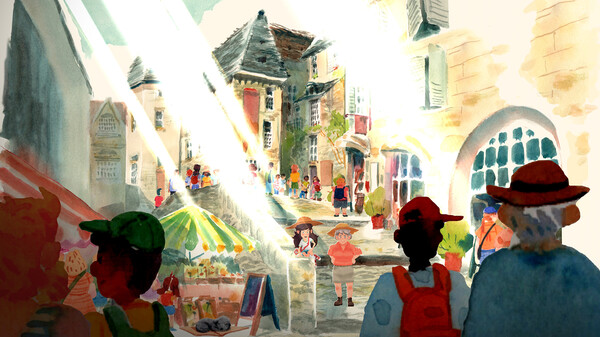
As a coming-of-age story set primarily in the early ’80s, Dordogne strikes a delicate balance between whimsy and maturity. The heartwarming bond between Mimi and Nora, as they engage in simple pleasures and overcome obstacles together, resonates with players of all ages. The darker undertones and unresolved family conflicts add depth and intrigue to the narrative, although some aspects could benefit from further clarification. Certain crucial events rely on easy-to-miss collectible letters, which provide essential context and backstory but can be overlooked.
Dordogne succeeds not only in captivating players with its beautiful paintings but also by allowing them to creatively interact with the stunning artistry. The ability to capture the essence of the world through photographs, stickers, sounds, and phrases adds a personal touch to the experience. While completing the scrapbook is not obligatory, it invites players to embrace their inner child and craft unique pages that become cherished mementos of their journey.
Despite minor drawbacks, such as the occasional animation glitch, Dordogne remains a standout title that leaves a lasting impression. The development team has delivered a remarkable debut, combining emotional storytelling, nostalgic themes, and breathtaking artistry. Dordogne is a heartfelt and enchanting adventure that invites players to relive their fondest memories while embracing the wonder of childhood. It’s a journey that will touch the hearts of those willing to embark on this charming French escapade.
Score: 8.0/10
 Press Play Media
One thought on “Dordogne review (PS5)”