
In the bustling heart of Tokyo’s Akihabara district, where electronics, anime, and otaku culture converge, a unique and eccentric adventure unfolds in “Akiba’s Trip: Undead & Undressed Director’s Cut.” Published by XSEED and Marvelous and developed in collaboration with Acquire, this quirky title takes players on a wild journey through a virtual recreation of Akihabara, battling vampire-like Synthisters and employing an unconventional weapon of choice: stripping. Originally released years ago, the game now graces the Nintendo Switch with its expanded Director’s Cut edition, introducing additional content and refining the experience. In this review, we’ll delve into the premise, gameplay mechanics, controls, visuals, audio, and more.
Set in the bustling streets of Akihabara, the game provides an authentic virtual tour of the iconic district, meticulously recreated with over 130 real-life shops, accurate landmarks, and a detailed urban layout. The representation of the district, while slightly embellished, captures the essence of Electric Town’s network of stores. The Switch version maintains the architectural accuracy while leveraging the platform’s capabilities to create a smooth and visually appealing experience.
“Akiba’s Trip: Undead & Undressed Director’s Cut” tells the story of Nanashi, a young man unwittingly turned into a Synthister, a vampire-like creature that preys on Akihabara’s denizens. With the assistance of the enigmatic Shizuku Tokikaze, players embark on a journey as part of the “Akiba Freedom Fighters” to unveil the Synthister plague’s truth and save the district from their menace. The narrative weaves satire, humor, and a touch of absurdity, often poking fun at anime and gaming tropes while offering divergent paths and multiple endings based on player choices.
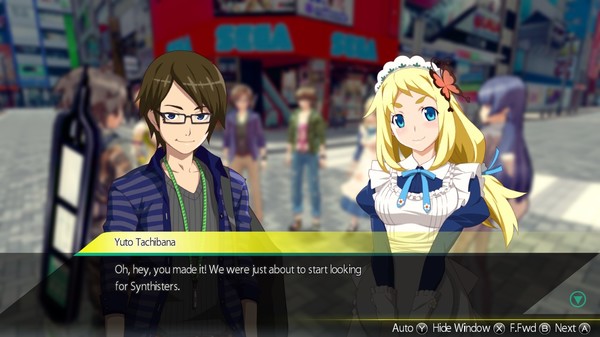
The gameplay revolves around unique brawler-style combat, where anything can become a weapon, from baseball bats to motherboards. The protagonist’s task is to strip enemies of their clothes, exposing them to sunlight and rendering them vulnerable. The control scheme, although somewhat button-mashy, offers satisfyingly quirky combos and attacks, often involving humorous animations. The game doesn’t take itself too seriously, making battles engaging and light-hearted.
The game’s visual presentation accurately captures Akihabara’s streets, stores, and the vibrant atmosphere of the district. The audio design, which includes voice acting and sound effects, contributes to the game’s immersive atmosphere. The dialogue is witty and well-written, with players given choices that impact certain aspects of the story. But a few years later on a less powerful system, the character models and animations can occasionally feel slightly dated, especially given the game’s Director’s Cut status.
One of the standout additions in the Director’s Cut is the inclusion of a new storyline for Kati Räikkönen, an exchange student with an infectious enthusiasm. This storyline adds a new layer of enjoyment and energy to the game, offering a fresh perspective for those revisiting Akihabara. The added content contributes to the overall value of the Director’s Cut edition.
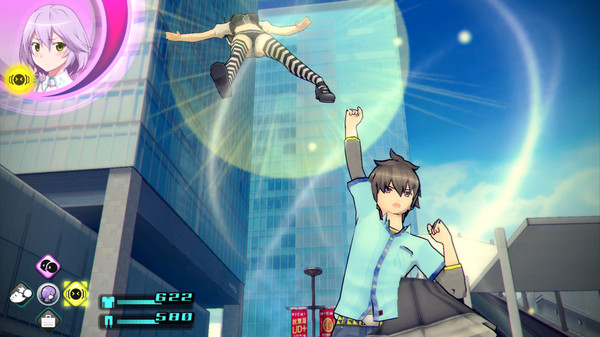
While the game offers an enjoyable experience, some minor imperfections hinder the gameplay flow. Certain combat nuances, such as Counters and Indefensible attacks, can be challenging to execute due to fussy timing, leading to missed opportunities and damage from foes. The combat’s go-to alternative of button-mashing your way through occasionally overshadows the game’s mechanical intricacies, and the mechanics for blocking and changing up outfits could be more seamless.
In conclusion, “Akiba’s Trip: Undead & Undressed Director’s Cut” delivers an over the top concept, combining a silly narrative with unconventional combat mechanics. The game’s faithfulness to Akihabara’s charm and culture is commendable, inviting players on a memorable virtual tour. The addition of new content, such as Kati’s Route, enhances the value of this Director’s Cut edition, breathing new life into an already engaging experience. While some design issues persist, they are outweighed by the overall enjoyment derived from its absurdity and humor. If you’re an otaku at heart, or even if you’re just looking for an eccentric adventure in Tokyo’s iconic district, this Director’s Cut edition is well worth considering.
Score: 7.1/10
 Press Play Media