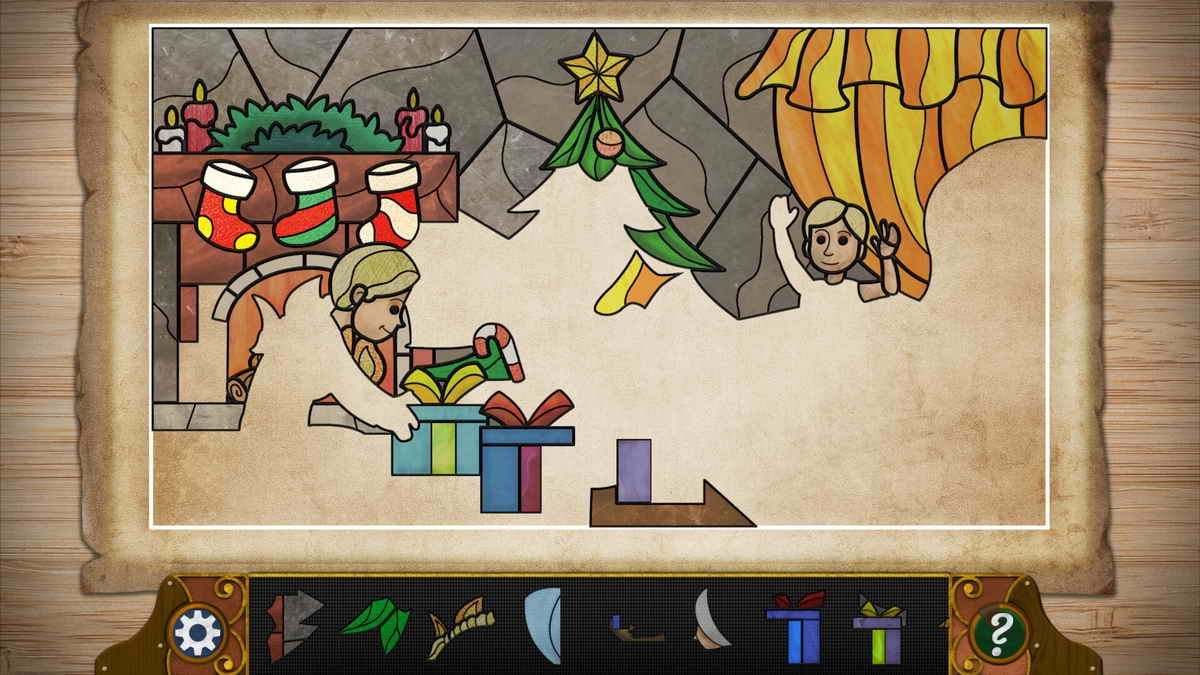
The relatively quiet release period during the second half of December is full of smaller releases that would otherwise be harder to notice but are full of indie/casual charm. We’re checking out three of them today, with Stories in Glass: Winter, Twin Mind: Power of Love and Twin Mind: Murderous Jealousy.
Stories in Glass: Winter review (PS5)
Stories in Glass: Winter, developed by Tiny Little Lion and published by Boomzap Inc, invites players into a unique puzzle experience, marrying the beauty of stained-glass art with the heartwarming essence of the Christmas season. The game unfolds across 40 vibrant puzzles within 5 carefully crafted books/game worlds, each telling its own winter-themed tale. As players engage with these stained-glass jigsaw puzzles, a cohesive narrative emerges, enriching the overall gaming experience beyond its casual puzzle basics.
The gameplay mirrors the simplicity of exploring a children’s book, presenting traditional Christmas stories in an interactive format. Upon completing a puzzle, players can personalize their experience by customizing the color of stained glass pieces, putting a personal touch on the charming visuals. Complemented by an immersive soundtrack featuring classic Christmas tunes, the game creates a warm and cozy atmosphere for when it’s cold and dark outside.
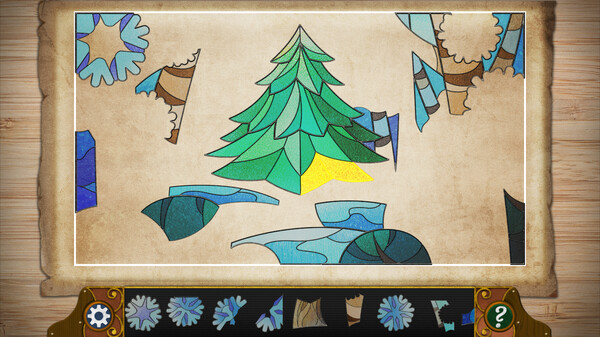
Several positive elements contribute to the game’s appeal, such as its polished and smooth gameplay, making it suitable for players of all ages. The relaxation derived from puzzle-solving, coupled with the option to revisit and reimagine puzzles with different colors, adds to the game’s replayability. This makes Stories in Glass: Winter come highly recommended as an affordable and festive Christmas-themed game. It successfully intertwines the joy of casual puzzle-solving with the timeless magic of the holiday season, presenting an experience that distinguishes itself in the realm of Christmas-themed games.
Twin Mind: Power Of Love Collector’s Edition review (Switch)
Dominigames brings the intriguing world of Twin Mind: Power of Love to Nintendo Switch, expanding its player base following a successful PC release in 2021. In this hidden-object puzzle adventure, players step into the roles of Randall and Eleanor, a detective duo each contributing distinct approaches to solving crimes. Randall relies on forensic science and logic, while Eleanor infuses arcane mysticism and intuition into their investigations. As the twin detectives unravel the mystery of a daylight kidnapping, players must navigate a narrative that combines the tangible world of science with supernatural elements, promising an immersive and engaging detective experience.
The game can be completed in around 5 hours, which sounds short but matches well with the modest asking price for the game. Some of the mini-games during that time can be hit and miss though, sometimes taking you out of the story flow for a little too long – though switching between the two detectives and exploring perspectives on what is going on enhances the storytelling experience.
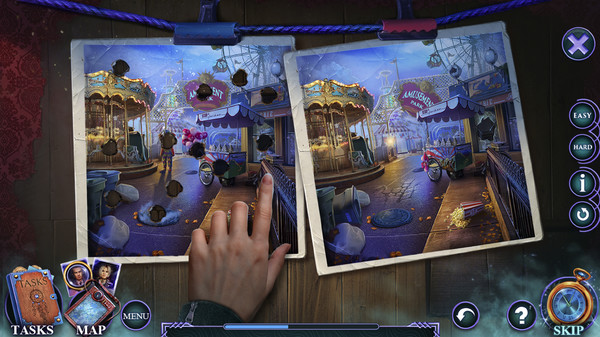
The gameplay seamlessly blends puzzles and hidden object scenes, delivering a mix of challenges that keeps things interesting even though some elements have a knack of repeating themselves. While some puzzles proved easily solvable, others required strategic thinking, offering a diverse range of difficulties throughout the story campaign. Twin Mind: Power of Love is an engaging detective adventure on the Nintendo Switch, appealing to players seeking a balanced combination of narrative depth, engaging visuals, and diverse gameplay mechanics.
Twin Mind: Murderous Jealousy Collector’s Edition review (Switch)
A second Twin Mind game was already ported to the Switch, with DominiGames launching Twin Mind: Murderous Jealousy as well, once again focusing on the dynamic duo of Randall and Eleanor Jones and their distinct investigative methods. This time, they’re trying to unravel a murder at the local theater, delving into the victim’s intricate past as they navigate through another engaging hidden-object puzzle Adventure.
While the story itself is engaging and the switching mechanic between the twin detectives still works well, playing this one after “Power of Love” made the game feel a bit more generic. Some of the mini-games seemed a bit too random in their design as well, leading to some mild frustration on one or two occasions while other parts of the campaign felt like a “been there, done that” situation.
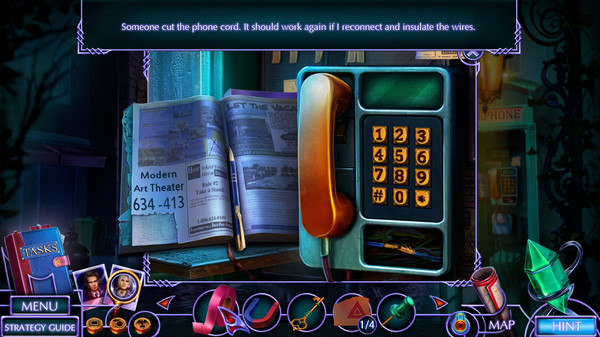
On a positive note, the game still features mechanics that lift this one above the typical hidden object game, and the gameplay elements are varied. The inclusion of different collectibles, such as hidden coins and morphing objects adds a bit of lasting appeal to the gameplay as well, while the characters’ distinct abilities and the diversity of puzzle types contribute to an engaging experience – perhaps best enjoyed when not playing Twin Mind games back-to-back. Ultimately, judged on its own merit, Twin Mind: Murderous Jealousy emerges as a noteworthy Hidden-Object puzzle adventure for players who enjoy intricate narratives that enrich the casual experience underneath.
 Press Play Media