In our DLC roundups we cover new content for some of the games we’ve enjoyed playing. Today, that means checking out the Shattered Space DLC for Starfield, a look at The Wider World of Atari for Atari 50, and a renewed look at the first two Moss games on the Quest 3S.
Starfield – Shattered Space review (Xbox)
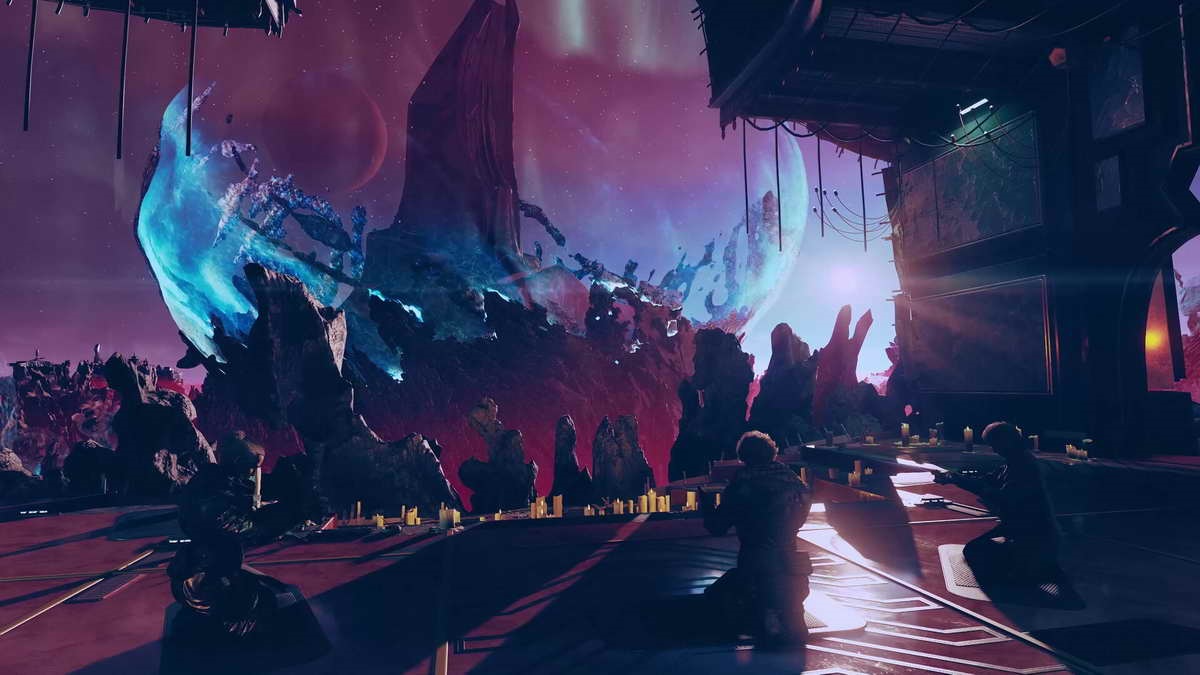
The new Shattered Space DLC for Starfield takes players into a previously undiscovered corner of Bethesda’s latest universe, focusing on House Va’Ruun and its homeworld of Va’Ruun’kai. The story, centering on a distress signal from a starstation, offers a deeper dive into the religion surrounding “The Great Serpent.” The narrative’s dark, political intrigue is a fresh addition, but its pacing may feel slow for those expecting more action-heavy moments. Still, the Va’Ruun mystery adds depth and complexity to the established lore, so for fans it’ll be worth diving into.
In terms of gameplay, Shattered Space mostly stays true to the core mechanics of Starfield while introducing new weapons, armor, and items. The exploration of Va’Ruun’kai and the derelict starstation brings some variety to the otherwise familiar combat and mission structures, with quests often relying on investigation and puzzle-solving and less so on combat. While these new additions provide tactical diversity, the expansion doesn’t stray far from the original game’s formula, and some players may find it lacking in more innovative gameplay changes.
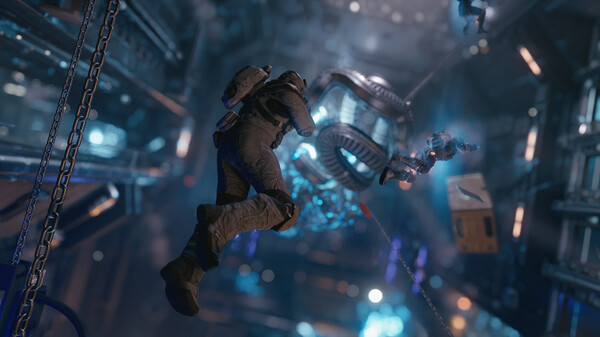
Visually, Shattered Space continues Starfield’s high standards, with richly detailed environments that bring the desolate and mysterious Va’Ruun’kai to life. However, despite the beautiful new locations, we’ve seen a few minor graphical issues that we expect will be fixed post-launch. The planet’s atmospheric design and soundscape help immerse players in the cosmic mystery, which is further supported by an excellent voice cast and stellar musical score.
While Shattered Space expands the lore of House Va’Ruun, some players might feel underwhelmed by the DLC’s overall difficulty and lack of groundbreaking mechanics. Fans of Starfield looking for more of what they loved in the base game will appreciate the additional content, but those seeking significant changes or surprises may find this expansion to be more of an incremental step rather than a bold new chapter.
Atari 50: The Wider World of Atari review (PS5)
The Wider World of Atari DLC builds upon the base experience of the excellent Atari 50, offering a deeper dive into the company’s rich history with a new timeline that includes 19 additional games and a series of insightful new interviews. Well-known games like Berzerk and Atari Football are fun to revisit and were missed the first time around, but because Atari 50 had such a strong selection already not all of the titles in the DLC will have the same nostalgic value for everyone. The timeline’s video segments, especially those focusing on figures like Al Alcorn and Evelyn Seto, are informative, adding richness to Atari’s legacy.
In terms of gameplay, most of the newly added titles retain their original charm, though some clearly show the limitations of their dated mechanics, especially for modern audiences. Still, the accessibility and inclusion of these niche titles will resonate well with hardcore Atari fans. The historical content woven into the DLC, from early arcade successes to fan-made homebrew titles, keeps things engaging and educational, though not everyone will find it essential and we would have loved a look at some of Atari’s home computers as well.
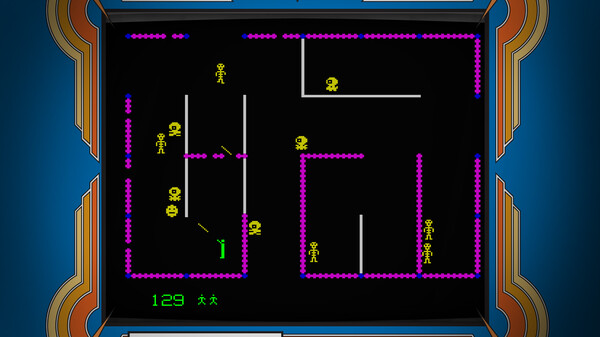
Visually, the presentation maintains the same sleek interface seen in the base game, with the DLC adding new layers to the already well-curated timeline. The interviews and archival footage stand out, giving it a documentary-like feel that meshes perfectly with the digital interactive museum format of Atari 50. On the audio side, there’s a nostalgic charm to the 8-bit soundscapes as well – and we’d love a future deep dive on the role that the Atari ST played in music.
Overall, The Wider World of Atari DLC enhances the base game with a thoughtful exploration of Atari’s more obscure history. While it may not introduce significant new gameplay innovations, the addition of rare titles and fascinating historical insights will undoubtedly please Atari enthusiasts, making it a worthwhile addition for collectors and retro fans – and hopefully a sign of more to come.
Moss & Moss: Book II receive Quest 3/3S updates
Okay, maybe this one isn’t a DLC, but it’s too good to ignore. Polyarc has just announced major updates for Moss and Moss: Book II, timed with the release of the Meta Quest 3S headset. These updates, which are free to players on both devices, enhance both the visual fidelity and the gameplay experience. The studio, well-known for pushing the envelope in VR visuals and gameplay (as discussed in our original reviews for both Moss and Moss: Book II), has delivered improvements that take advantage of the Quest 3’s more powerful hardware, making the games feel fresh for a new generation of VR players.

The most notable enhancement comes from the visual upgrade to the original Moss, which hadn’t seen an update since its Quest 1 launch. Thanks to the Quest 3S’s hardware capabilities, the game is now rendered at 150% of its original resolution. The team has focused on creating parity with the PC version by updating water effects, lighting, and animated elements such as book pages, resulting in a more immersive experience that better matches the sequel’s visual standards. This means that both games now offer cohesive, high-quality graphics, with even the darker, moodier areas of Moss receiving significant lighting improvements. While the original Quest version of the first Moss felt like a scaled down version of the original, the update now bring it much closer to the PSVR/PC experience.
Polyarc hasn’t just focused on aesthetics with this update. New gameplay options have also been introduced, including the ability to skip combat sequences entirely, a feature now available in both games. This change reflects a shift towards making the experience more accessible to new VR players who may prefer to focus on the story and puzzle-platforming aspects, without the added stress of combat. It’s a move that aims to welcome more players into the world of Moss, in line with the developer’s original vision of delivering a charming and approachable VR adventure.
 Press Play Media