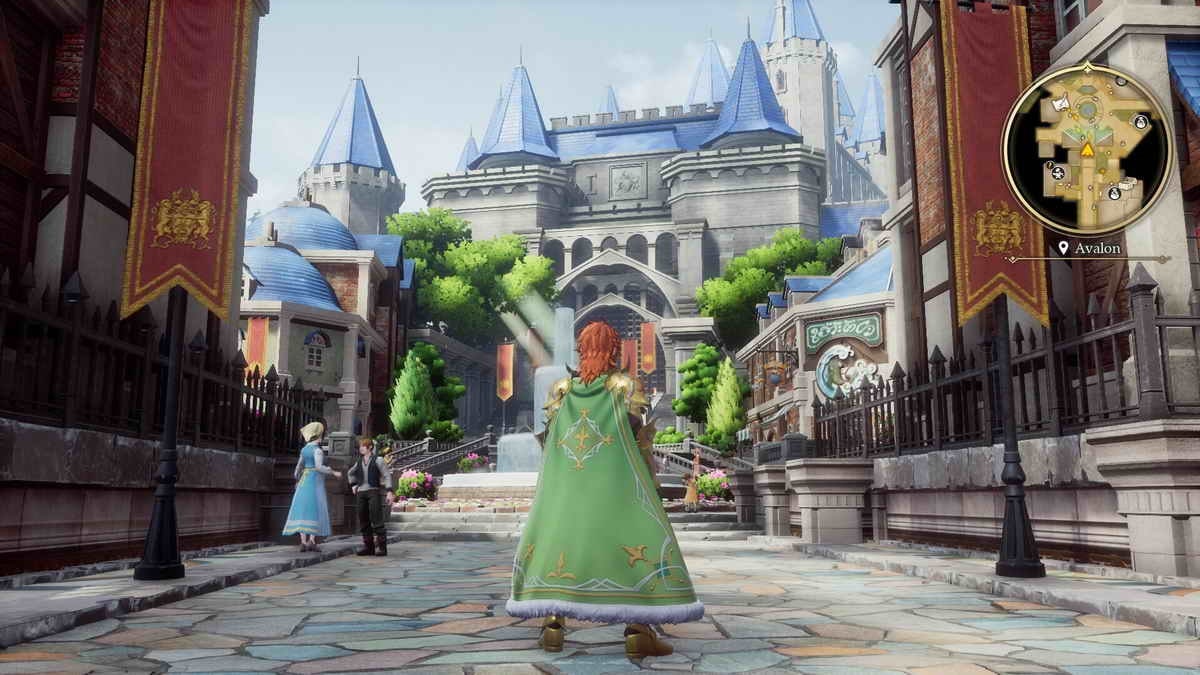
Romancing SaGa 2: Revenge of the Seven on PlayStation 5 is a nostalgic revival that merges the original’s complex RPG dynamics with thoughtful modernizations, creating a layered, sometimes challenging, experience for new and seasoned players alike. In stepping into the shoes of successive Emperors of Varennes, players face a grand narrative where the empire’s fate hangs on generations of strategic decision-making. This remake offers a refreshed visual approach, transforming 2D pixel sprites into expressive 3D models without losing the charm of the original’s aesthetic, with Tomomi Kobayashi’s iconic illustrations brought to life in familiar yet enhanced detail.
The narrative structure introduces an unusual but engaging twist: as each Emperor falls, they pass down their skills and experiences to their successor, fostering a sense of continuity and evolution across each generation. This legacy-based mechanic is integral to the game, allowing for customizable progression as players select from various character classes and races, each with unique skills and combat proficiencies. A diverse cast adds replayability, inviting players to try different class combinations with each new Emperor, although some might find the learning curve steep as they adapt to the timeline of challenges faced by each leader.

Combat in Revenge of the Seven combines the traditional turn-based approach with modern enhancements. The newly added “United Attack” mechanic allows for devastating combination moves, offering players fresh tactical options that weren’t available in the original release. The game’s “Glimmer” system adds further options by enabling characters to learn new abilities mid-battle, a feature that feels rewarding yet can be unpredictable, making strategic planning more critical than ever. However, while veterans of the franchise may appreciate the expanded combat options, the intricacies of formations and character progression can feel overwhelming for newcomers, even with the three-tier difficulty setting that lets players choose between a story-focused experience or a more challenging, classic playstyle.
Visually, the remake’s upgraded 3D environments bring towns and dungeons to life with reworked textures and expanded details that highlight the expansive world of Varennes, which complements the game’s open-ended approach to exploration. Players are free to choose their objectives, deciding how they expand the empire and in which order they confront the Seven Heroes, each with its consequences. This freedom enhances the non-linear storytelling but also requires players to consider their strategies carefully, as early decisions ripple across the game’s progression in significant ways. Some players might find this structure liberating, while others may feel less directed compared to more linear JRPGs, a double-edged sword that adds both depth and potential frustration for those unfamiliar with open-ended RPGs.

The game’s soundscape, crafted by series composer Kenji Ito, provides both nostalgia and fresh excitement, as players can switch between the original and rearranged soundtracks to suit their preference. The newly added English and Japanese voiceovers lend additional personality to key characters and events, adding immersion and emotional resonance. These audio options enhance the storytelling, though some may wish for more voice-acted dialogue in everyday interactions, as it’s limited primarily to main event scenes.
Romancing SaGa 2: Revenge of the Seven is a well-rounded remake that respects its roots while expanding the experience for modern players – and not just audiovisually. Its intricate mechanics and open-ended gameplay make it a rewarding challenge for RPG enthusiasts and a compelling exploration for newcomers willing to navigate its complexities. For those interested in a JRPG with depth and freedom, this remake provides a vivid, multi-layered journey that stands the test of time, though its non-linear structure and layered combat may require a learning curve.
Score: 8.2/10
 Press Play Media