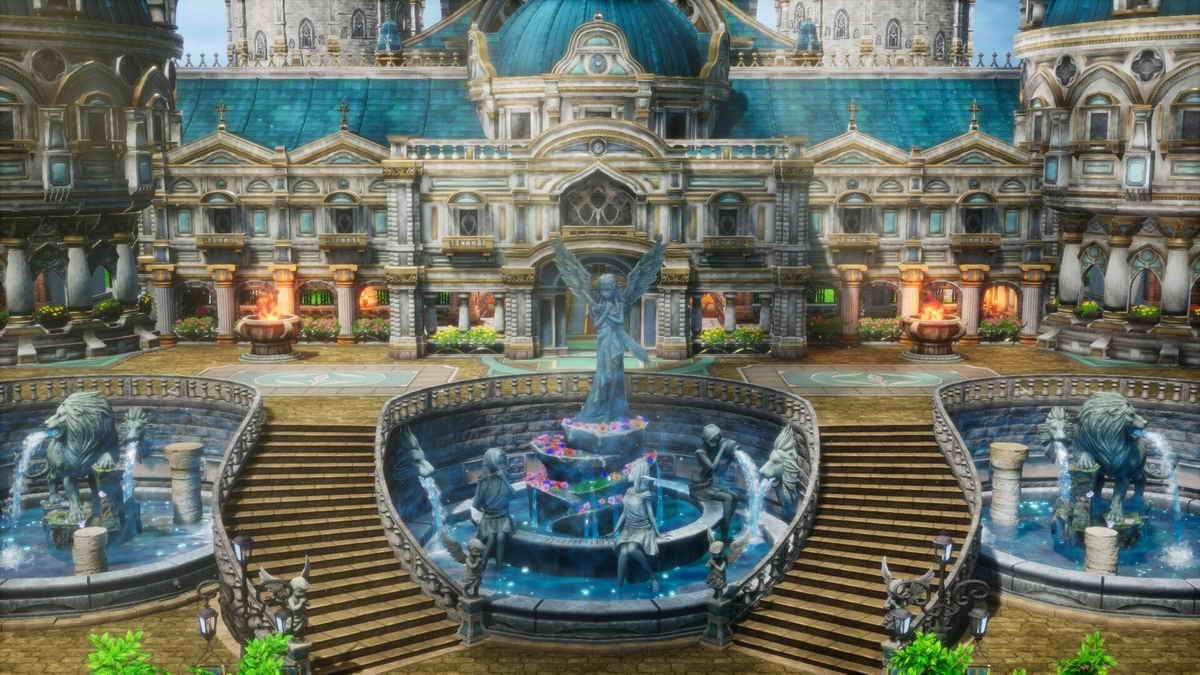
The Dragon Quest series has always been a cornerstone of the JRPG genre, and the Dragon Quest III HD-2D Remake breathes new life into a beloved but to many perhaps forgotten classic. With its impressive reimagining of the original game, this remake not only rekindles nostalgia for fans of the Erdrick Trilogy but also opens the door for a new generation to experience an iconic adventure in gaming history. But while its beauty and charm are undeniable, this updated version also highlights some of the quirks inherent in its old-school roots.
The narrative is as captivating as ever, weaving a tale of duty, heroism, and legacy. You play as the child of Ortega, tasked with picking up your father’s mantle to save the world from the menacing Baramos. The journey takes players across diverse towns, dungeons, as well as out into the wilderness, with an emphasis on exploration and discovery. The addition of new story elements and the added Monster Wrangler vocation enrich the experience without overshadowing the game’s original essence.
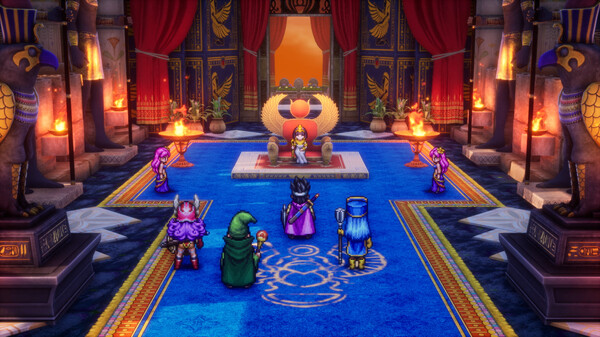
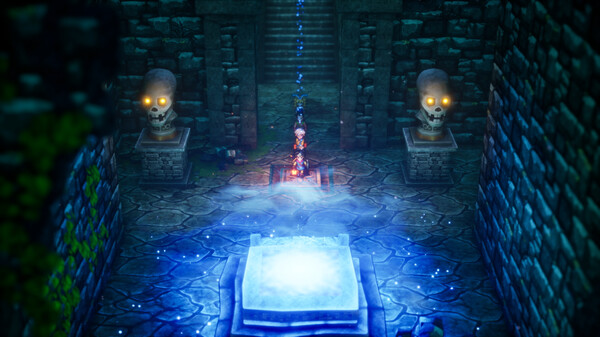
The HD-2D aesthetic is arguably the remake’s most striking feature. Combining detailed pixel art with modern lighting and effects, the visuals create an enchanting blend of retro and contemporary styles. Environments feel alive, from bustling towns to eerie dungeons, and the dynamic camera angles add a cinematic flair. However, some players may find the contrast between the vibrant foreground and occasionally muted backgrounds distracting at times.
Combat retains its classic turn-based structure, but with refinements that improve the overall pacing. Battles remain strategic and engaging, with party customization playing a significant role. The ability to choose from various vocations allows players to tailor their approach, and the aforementioned Monster Wrangler vocation adds a fresh dynamic. Despite these improvements, the grind-heavy progression system and steep difficulty spikes may feel dated, particularly to players accustomed to modern JRPGs who aren’t familiar with the original.
The remake’s audio design is another highlight, with a fully orchestrated soundtrack that enhances the game’s emotional beats. From the triumphant main theme to the more subdued dungeon melodies, the music serves as a fitting backdrop to the adventure. Voice acting, though unfortunately sparse, adds personality to key moments.
Controls and UI have been modernized for the PlayStation 5, making the experience more accessible while retaining the depth that Dragon Quest III is known for. Menus are intuitive, and the added quality-of-life features, such as quick save options, help streamline the gameplay. Nevertheless, some areas still show their age, such as rigid movement mechanics in certain environments, which can occasionally disrupt immersion.
For longtime fans, Dragon Quest III HD-2D Remake is a love letter to the past, offering a visually stunning and faithful recreation of a JRPG classic. For newcomers, it serves as a gateway to a pivotal entry in the genre’s (and franchise’s) history. While its adherence to old-school design might alienate some modern players, the game’s heart and soul remain as compelling as ever. It’s a must-play for fans of the series and a shining example of how to reimagine a classic without losing its essence by doing something completely different with it.
Score: 8.3/10
 Press Play Media