
In our most recent roundup of video game ports, we look at the brilliant and unique The Vale: Shadow of the Crown, the PS5 port of Rogue Waters and Mad Experiments: Escape Room and its sequel, Mad Experiments 2: Escape Room.
The Vale: Shadow of the Crown review (PS5)
With The Vale: Shadow of the Crown, Falling Squirrel delivered a very ambitious and innovative take on the action-adventure genre, prioritizing accessibility without compromising on immersion. Originally released on PC in 2021, the game has now arrived on PlayStation 5, offering a deeply engaging experience that relies entirely on sound rather than visuals. Designed for both blind and sighted players, it tells the story of Alex, a blind princess thrust into a perilous journey after an ambush leaves her stranded in hostile territory. What follows is an adventure where every step, swing of a sword, and whispered conversation is conveyed through masterful 3D audio, making headphones an almost essential part of the experience.
As you’d expect, the game’s core strength lies in its exceptional sound design. Players navigate the world using spatial audio cues, whether tracking down a blacksmith in town or bracing for an enemy’s attack. Combat is built around precise timing and reaction, requiring players to listen for enemy movements, distinguish between attack types, and counter accordingly. As the game progresses, battles become more complex, introducing multiple foes and varied attack patterns that demand heightened focus. While this system is rewarding, it can become overwhelming when enemies attack from multiple angles, sometimes making it difficult to parse audio cues effectively. The combat remains tense and engaging, even if moments of frustration can arise in high-pressure encounters.
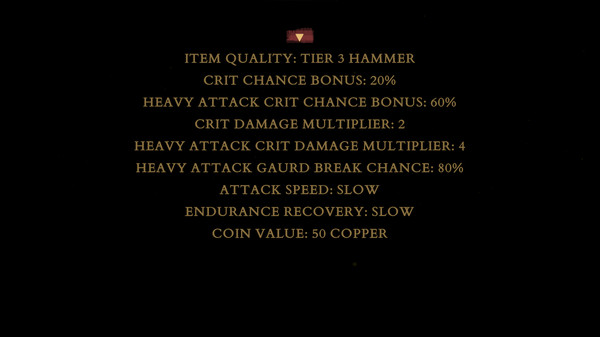
Beyond combat, The Vale features a well-paced narrative supported by excellent voice acting. The bond between Alex and her companion, the Shepard, adds emotional depth, as his vivid descriptions of the world around her help players imagine the landscapes she cannot see. Conversations with NPCs bring villages and towns to life, ensuring that even mundane tasks feel meaningful. The story itself is compelling, blending personal stakes with larger conflicts, and there are side quests that allow players to upgrade Alex’s equipment and abilities. However, the RPG elements remain somewhat underdeveloped – while new weapons and armor can be acquired, the stat boosts feel minimal, and customization is limited.
Despite being designed with accessibility in mind, the game still has some barriers. The reliance on English voice acting, without subtitles or localization options, may alienate some players even though it’s understandable from a production perspective. Additionally, while the PlayStation 5 version retains the immersive use of audio and haptic feedback, it may be less of a “living room experience” than traditional games. That said, the game succeeds in delivering an experience that challenges traditional notions of video game storytelling and engagement, and excels in the process.
The Vale: Shadow of the Crown stands out as a rare example of a game that dares to rethink how players interact with virtual worlds. Its reliance on audio fosters a level of immersion that many visually driven games struggle to achieve, proving that sound alone can tell a gripping story and create dynamic gameplay. While its combat mechanics have occasional shortcomings and the RPG elements could be deeper, the game’s strong narrative, immersive world, and top-tier voice acting make it a must-try for those seeking something truly different.
Rogue Waters review (PS5)
Rogue Waters, the tactical RPG with roguelite elements, has made its way to the PlayStation 5 after a successful PC launch in September of last year. In the game, players take on the role of Captain Cutter, a pirate seeking vengeance against the immortal Captain Blackbone. With a plot full of betrayal and revenge, the story unfolds through three acts, offering enough intrigue to keep players engaged, though it may feel predictable to those familiar with pirate tales. The game excels in combining strategic, turn-based combat with a dynamic progression system, keeping things fresh with procedurally generated encounters that offer a new challenge with every run.
Gameplay revolves around tactical naval and boarding battles. The naval combat is based on targeting key ship modules with cannons before boarding the enemy vessel for intense, visceral hand-to-hand combat. While the turn-based combat system is engaging, it can occasionally be frustrating when unlucky runs lead to imbalance, especially during chaotic boarding sequences. The environment plays a key role in both ship and land-based encounters, where clever use of terrain and character abilities can turn the tide of battle. However, some of the randomness introduced by the roguelike mechanics can make certain runs feel less rewarding, detracting from the overall strategic depth at times.

Visually, Rogue Waters brings the pirate theme to life with a gritty, vibrant art style. The ship designs and sea battles are visually striking, with environmental details that make ocean encounters particularly engaging. On land, the visuals can feel a bit repetitive across multiple runs, with some areas lacking the same level of polish. The audio complements the pirate setting well, though the voice acting could have been stronger, as it occasionally leans too much on stereotypical pirate accents. Still, the soundtrack and sound effects contribute to the overall immersive atmosphere.
While Rogue Waters is not without its flaws – especially when it comes to certain combat mechanics and random elements – the game offers a unique, enjoyable experience for fans of tactical combat and pirates. Its blend of narrative-driven progression, strategic depth, and mythological creatures sets it apart from other roguelites, and its accessibility makes it appealing to both veteran strategy fans and newcomers to the genre. The PlayStation 5 version runs smoothly, delivering a solid experience for players looking to embark on a pirate’s revenge tale.
Mad Experiments: Escape Room & Mad Experiments 2: Escape Room review (PS5)
Escape rooms have long been a popular genre in gaming, offering puzzle enthusiasts a way to enjoy intricate challenges from home, either solo or with friends. Mad Experiments: Escape Room and its sequel, Mad Experiments 2: Escape Room, developed by PlayTogether Studio, aim to capture this experience with an engaging narrative surrounding the mysterious Professor Cheshire and his unsettling experiments. The PlayStation 5 versions arrived much later than their PC counterparts, bringing these experiences to console players looking for immersive puzzle-solving fun. While both games succeed in delivering atmospheric and visually appealing settings, their execution varies when it comes to puzzle design and overall polish.
The first Mad Experiments: Escape Room introduces players to Cheshire’s twisted world, with a series of rooms that slowly unravel the professor’s experiments on the human mind. Each environment is carefully crafted, featuring a rich Victorian-inspired aesthetic that enhances immersion. The attention to detail in lighting, textures, and props adds to the feeling of exploring a real escape room, making it a highlight of the experience. However, while the presentation impresses, the puzzle design does not always match its visual quality. Many puzzles lean on standard escape room tropes, such as locating passcodes or simple object interactions, without introducing particularly innovative mechanics. The multiplayer option, allowing up to six players, offers cooperative potential, but the puzzles themselves rarely demand teamwork, making the multiplayer feel like an optional feature rather than a core part of the design. The sound design is another strong point, featuring atmospheric music and competent voice acting that help build tension and intrigue as players progress through the story.
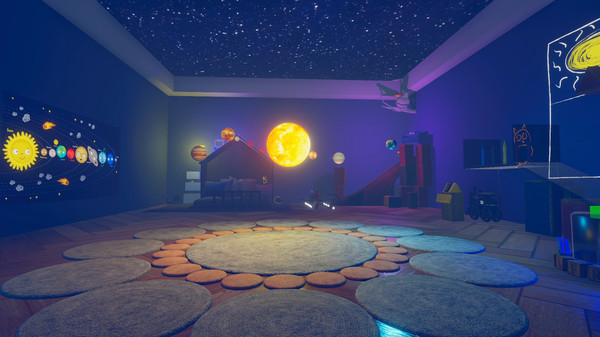
Mad Experiments 2: Escape Room builds on the foundation of its predecessor, introducing new locations such as a grand library, a greenhouse filled with dangerous plants, and a train that serves as a climactic setting for the narrative. The sequel provides an expanded look into Cheshire’s motivations, as players uncover his desperate attempts to save his sick daughter, Hildegarde, through increasingly unethical experiments. Visually, the game maintains the strengths of the first, with detailed environments and a well-designed sense of place. Unfortunately, the sequel inherits some of the same flaws as its predecessor, particularly in puzzle design. While some puzzles are well-crafted and enjoyable, others feel unintuitive, requiring trial-and-error solutions that can lead to frustration. The hint system, while present, does not always provide the necessary guidance, which can lead to moments of stagnation, especially for players who prefer a smooth puzzle-solving flow. Additionally, technical issues such as occasional item glitches further hinder the experience, making it feel less polished than it could be.
Both games offer a “Relax” mode, removing the time limit for those who prefer to explore at their own pace, which is a welcome addition. However, even with this feature, the inconsistent puzzle difficulty and occasional lack of logical progression can detract from the overall enjoyment. While the first game delivers a solid, albeit somewhat conventional escape room experience, the second game introduces more ambitious ideas but stumbles in execution, particularly in puzzle design and technical stability.
For fans of the escape room genre, Mad Experiments: Escape Room and its sequel offer an interesting digital alternative to real-life experiences, with beautiful visuals and an intriguing, if somewhat underdeveloped, story. The first game provides a more balanced experience, while the sequel has moments of creativity but struggles with frustrating puzzle logic and minor technical hiccups. Both games are best enjoyed with friends, though the multiplayer mechanics could have been more deeply integrated into the gameplay. While not perfect, they provide a worthwhile experience for puzzle lovers looking for atmospheric escape room adventures on PlayStation 5.
 Press Play Media