Today’s VR roundup shows the versatility of what VR can do, as we explore Doodle Quest: Mixed Reality Draw Puzzle, Electrician Simulator VR and Poly Ego for the Meta Quest.
Doodle Quest: Mixed Reality Draw Puzzle review (Quest)
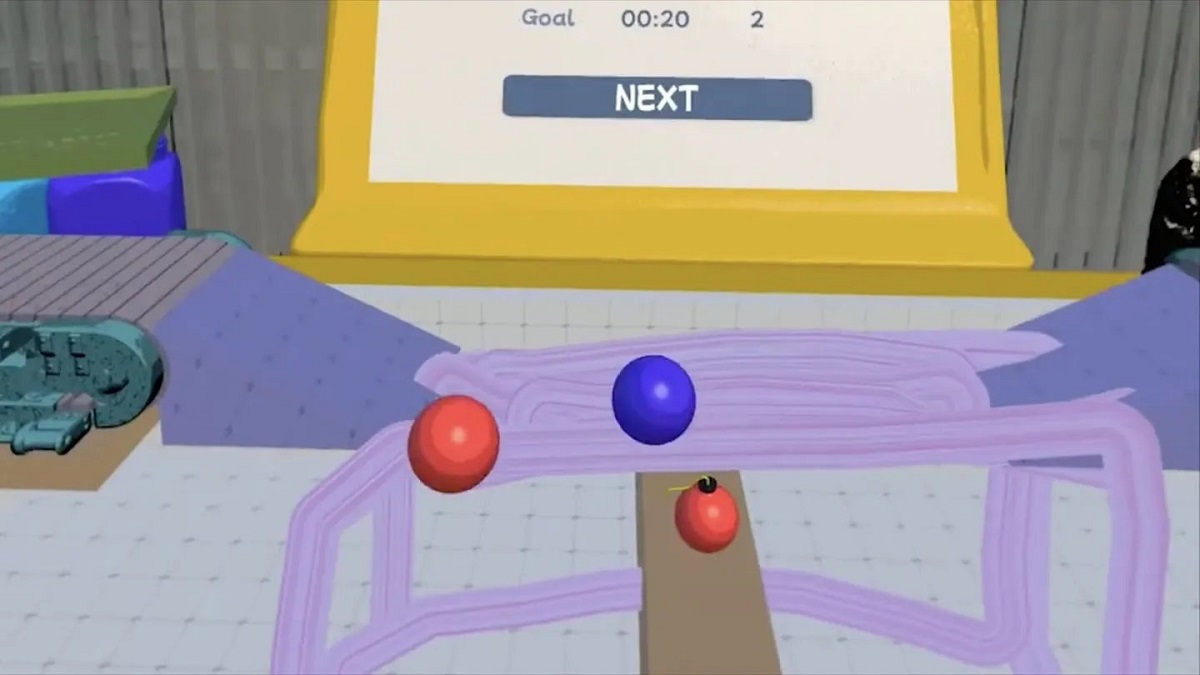
Doodle Quest: Mixed Reality Draw Puzzle brings a fresh twist to physics-based puzzle games by transforming the simple act of drawing lines into a fully interactive mixed reality experience. Players tackle a variety of challenges by sketching solutions in 3D space, using a magical brush to manipulate objects and guide a ball toward its goal. With over 200 levels and support for hand tracking, the game takes full advantage of the Meta Quest’s capabilities to create a tactile and engaging puzzle-solving experience.
The core gameplay is both intuitive and challenging. Players must think creatively to draw barriers and ramps that influence the movement of objects in physics-driven puzzles. And while this approach encourages experimentation, the difficulty can be unforgiving at times, requiring precise drawing and strategic planning. The hand tracking adds immersion, but it can feel overly sensitive or imprecise at times, making controller use the more reliable option. One notable omission is the inability to easily switch drawing hands, which might frustrate left-handed players or those who want more flexibility.
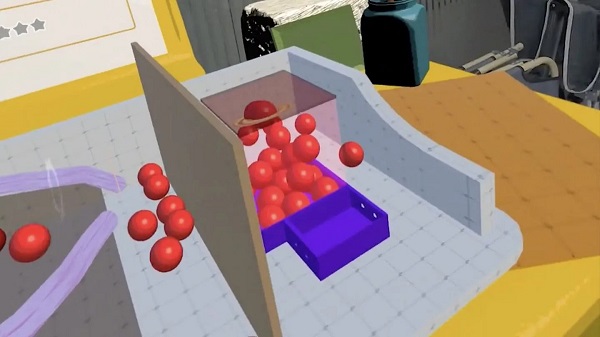
Visually, the game’s mixed reality implementation is a highlight. Seeing doodles come to life in the real world adds a unique layer of interactivity, and the colorful, minimalistic aesthetic ensures a clean and uncluttered play space. However, while the presentation is appealing, the soundtrack leans too heavily on relaxing, almost elevator/lobby-like music, which may not be to everyone’s taste.
Despite some minor control quirks, Doodle Quest delivers an addictive puzzle experience that feels fresh and rewarding. An upcoming level editor promises even more replayability, allowing players to create their own challenges. If you enjoy puzzle games with a creative twist, this is a solid addition to your VR library, even if some refinements to controls and user options would elevate it further.
Electrician Simulator VR review (Quest)
VR simulation games often aim to capture the intricacies of real-world professions, and Electrician Simulator VR brings electrical work to life with a mix of hands-on problem-solving and lighthearted challenges. Originally a flatscreen game for PCs, this Meta Quest version puts players directly in the role of an aspiring electrician, visiting various homes and workplaces to fix wiring, repair outlets, and connect appliances. The added interactivity of VR makes tasks feel more immersive, letting players physically interact with tools and components rather than just clicking through menus.
The game’s core mechanics follow a structured progression, with missions introducing increasingly complex electrical problems. From replacing lightbulbs to troubleshooting entire circuits, there’s a steady sense of learning as you go. Optional challenges provide some variety, sometimes pushing players into amusing side tasks like covering their tracks or taking on pro bono work for elderly clients. These additional objectives help break up the routine of standard repair jobs, making the gameplay feel less repetitive. However, the transition to VR isn’t entirely seamless – while the interactivity adds depth, some actions feel stiff or unresponsive, making certain tasks more frustrating than they should be.

Visually, Electrician Simulator VR falls into the category of serviceable but unremarkable. The environments are functional, but textures lack detail, and aliasing issues occasionally pop up. While the game doesn’t need high-end visuals to be engaging, a bit more polish could have enhanced the immersion. Similarly, the audio design does its job without standing out – tools sound appropriate, and the occasional client phone call adds some personality, but nothing leaves a lasting impression.
Ultimately, the game succeeds in making electrical work engaging in VR, especially for those curious about the profession or fans of simulator games. However, the experience is held back by inconsistent responsiveness and a lack of polish in both visuals and mechanics. If you’re fascinated by simulation games or want to try something different in VR, it fits the bill.
Poly Ego review (Quest)
Poly Ego is a VR puzzle game that blends quirky humor with brain-teasing challenges, placing players in a world where logical thinking and spatial awareness are key. With clear inspiration from games like Portal and Q.U.B.E., it tasks players with navigating increasingly complex levels using not one but two robotic characters – yourself and your companion, Bluepy. The dynamic of controlling both characters at once adds a layer of strategic depth, requiring precise coordination to solve puzzles involving laser reflections, pressure plates, and other environmental interactions.
The puzzles start out simple, gradually introducing new mechanics that ramp up the challenge. Early on, the game takes its time explaining the controls and basic interactions, which some might find slow, but it ensures that later stages feel more rewarding as solutions require careful planning. There’s an addictive quality to the design, making you want to push forward. However, while the puzzle design is engaging, the execution isn’t always smooth. Movement and controls can feel unintuitive at first, and while they become more manageable with practice, they still lack the polish of more refined VR experiences.

Visually, Poly Ego adopts a bright, cartoony aesthetic that suits its lighthearted tone. The environments, while not overly detailed, serve their purpose well, and Bluepy’s presence adds charm. The game also benefits from playful voiceovers, with a main computer occasionally chiming in with jokes and commentary that help keep the experience engaging. While the humor won’t be for everyone, it contributes to the game’s personality and prevents the puzzle-solving from feeling too sterile.
The game’s ambition is clear, and despite its rough edges, its clever puzzles make it a compelling option for fans of the genre. If you enjoy puzzle games that challenge your problem-solving skills while offering a unique VR twist, Poly Ego is worth a try – especially for those willing to adapt to its learning curve.
 Press Play Media