
Pocket Bravery, Moving Houses, Mayhem Mail and Chessarama have all recently been ported over to the PlayStation 5 – time for a closer look with a series of review in our latest port roundup.
Pocket Bravery review (PS5)
The recent arrival of Pocket Bravery on PlayStation 5 brings the stylish 2D fighter to a new audience after its original 2023 PC launch. Developed by Statera Studio and published by PQube on consoles, it clearly wears its retro inspirations on its sleeve. With a strong nod to the Neo Geo Pocket era, the game features bright pixel art visuals and an exaggerated character design style that channels the spirit of classic arcade fighters. What helps it stand out from the many retro-themed brawlers is how well it blends nostalgic aesthetics with modern gameplay sensibilities, offering something that feels both familiar and refreshingly current.
Beneath its charming pixel art lies a surprisingly deep combat system. Each of the 12 fighters is infused with a unique elemental affinity known as “Ichor,” which adds an extra layer of strategic potential to the gameplay. These elements affect how you approach both offense and defense, and there’s a solid variety of fighting styles to suit different preferences. While the game is accessible enough for genre newcomers, it really shines when you start diving into its mechanics and mastering combos and elemental interactions. The AI in the single-player modes can feel a bit unbalanced, though – some fights are too easy while others spike in difficulty without warning or reason.

On a technical level, the PS5 version of Pocket Bravery performs well, with fast loading times and a clean presentation that enhances the vibrant retro visuals. The control scheme feels natural and responsive, which is especially important for a fighter that demands precise inputs during complex combos. The inclusion of rollback netcode is a plus for online play, ensuring smoother matches even against distant opponents – though matchmaking itself can take a while due to a still-growing player base on the PS5.
Despite some limitations in its story presentation and occasional balancing issues, Pocket Bravery succeeds as a modern throwback to 90s-era fighting games. It offers enough depth and charm to appeal to longtime fans of the genre while remaining approachable for those less experienced. With its strong visual identity, layered combat, and stable performance, it’s an easy recommendation for players looking for a new 2D fighter that’s both nostalgic and fresh.
Moving Houses review (PS5)
Moving Houses, from solo developer Gordon Little and published on consoles by Eastasiasoft, is one of those small, surprising indie titles that manages to catch you off guard in more ways than one. What initially presents itself as a cozy, physics-based packing simulator – where you box up belongings with first-person controls and tick off tasks with a satisfying list – quickly turns into something much stranger and more intriguing. There’s an emotional thread running through its short runtime, gradually revealing a deeper narrative under the mundane chores, but even that emotional core eventually gives way to moments of tension and eerie surrealism.
At its core, the game is built around simple object interaction, with physics-driven gameplay that is intentionally clumsy – stacking plates or trying to organize books turns into either a careful balancing act or pure chaos. The deliberate awkwardness of the controls invites you to play either with precision or abandon, and both approaches can be satisfying in their own way. There’s a sense of humor here, often delivered through the game’s unpredictable physics, but the game also plays with your expectations through pacing and tone. What begins as a playful experience gradually hints at a loss or traumatic event, using the house itself to reinforce its narrative themes.

The ‘horror’ twist in Moving Houses isn’t full-blown, but it’s enough to create a feeling of unease. Doors slam shut without warning, environments subtly shift, and the cheery atmosphere you started with takes on a new meaning. While the game’s low-res visuals and soft color palette remain charming throughout, the tonal shift is handled with care – not relying on jump scares, but on thematic contrast. However, some players might find the final act’s ambiguity more confusing than impactful, with a few narrative threads left unresolved.
With a runtime of around three hours, and maybe a bit more if you aim for all the optional objectives, Moving Houses doesn’t overstay its welcome. It’s a game that thrives on mood and surprise rather than mechanical depth. The controls are intentionally floaty, which might frustrate some players during more intricate packing sections, and the minimalist presentation may not appeal to those looking for visual variety. But for those open to a strange, personal, and sometimes emotional journey through the simple act of packing up, Moving Houses offers something memorable in a small, quietly powerful package.
Mayhem Mail review (PS5)
Mayhem Mail, developed by Silkworm and published on consoles by Ratalaika Games, is a delightful callback to the era of single-screen platformers with a very strong retro flavor. Its premise is straightforward: deliver color-coded mail across 60 short but tricky levels spread across six individually themed worlds. Like the arcade games that inspired it, it may not boast a narrative, but the fast-paced, puzzle-infused platforming is more than enough to keep things engaging. Each world introduces new mechanics – like moving platforms or teleporters – and though there’s no multiplayer, the gameplay feels tailor-made for friendly score-based competition.
The retro presentation is spot-on, with crisp 8-bit visuals and a bouncy chiptune soundtrack that would feel right at home on an old NES cartridge. Accessibility options like replacing colors with numbers or enabling invulnerability help widen the game’s appeal. It’s not a long game, but that brevity also suits its arcade-style pacing and you’re encouraged to chase high scores or replay favorite levels.
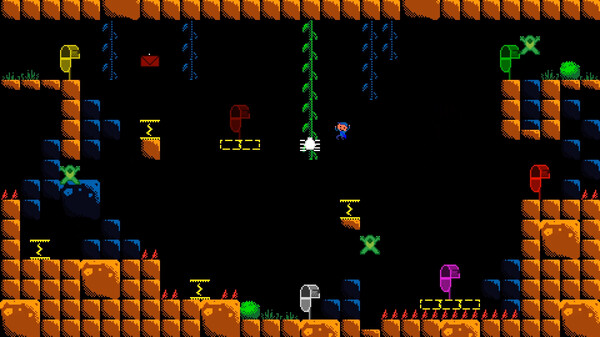
Gameplay-wise, Mayhem Mail finds a sweet spot between accessible and challenging. Precision is key in the later levels, but a generous continue system means failure never feels punishing. It’s clear the developers wanted to evoke that just-one-more-try feeling, and for many players, they’ll succeed. The scoring system and simple but effective achievement list give just enough incentive to keep pushing forward without bogging the experience down in grind.
Above all, it’s the nostalgic joy that stands out. For fans of Donkey Kong, Lode Runner, or Bubble Bobble, this one’s a love letter to those classics – charming, compact, and full of retro energy. It may not reinvent the genre, but it absolutely understands what made those early games great and delivers a polished modern homage that’s hard not to enjoy.
Chessarama review (PS5)
Chessarama, developed by Minimol Games and published by SMG Studio, offers a creative twist on traditional chess by presenting a collection of puzzle and strategy games. We reviewed it on Xbox earlier, and now it’s out on PS5 as well. Each game reimagines chess rules within unique themes, providing a fresh perspective on the classic game. From guiding a knight through a farm to engaging in soccer matches with chess pieces, Chessarama challenges players to think differently about familiar mechanics. The game’s design encourages strategic thinking and problem-solving, making it an engaging experience for both chess enthusiasts and newcomers.
The game’s aesthetics are noteworthy, featuring colorful dioramas and subtle animations that bring each puzzle to life. The music complements the visuals, creating a relaxing atmosphere that enhances the overall experience. While the game offers a variety of puzzles, some players may find the difficulty curve steep, especially as the challenges become more complex. However, the satisfaction of solving these puzzles often outweighs the frustration, rewarding persistence and strategic planning.

Chessarama also includes a classic chess mode, allowing players to apply the skills they’ve honed in the puzzle games. This feature bridges the gap between the inventive puzzles and traditional gameplay, offering a comprehensive chess experience and long term appeal. The game’s accessibility options, such as adjustable difficulty levels and tutorials, make it approachable for players of varying skill levels. However, the lack of multiplayer options may limit its appeal for those seeking competitive play.
In summary, Chessarama stands out as an innovative take on chess, blending traditional mechanics with imaginative puzzles. Its charming visuals, thoughtful design, and strategic depth make it a worthwhile experience for puzzle lovers and chess fans alike. While it may not replace traditional chess for purists, it offers a refreshing and engaging alternative that celebrates the game’s enduring appeal.
 Press Play Media