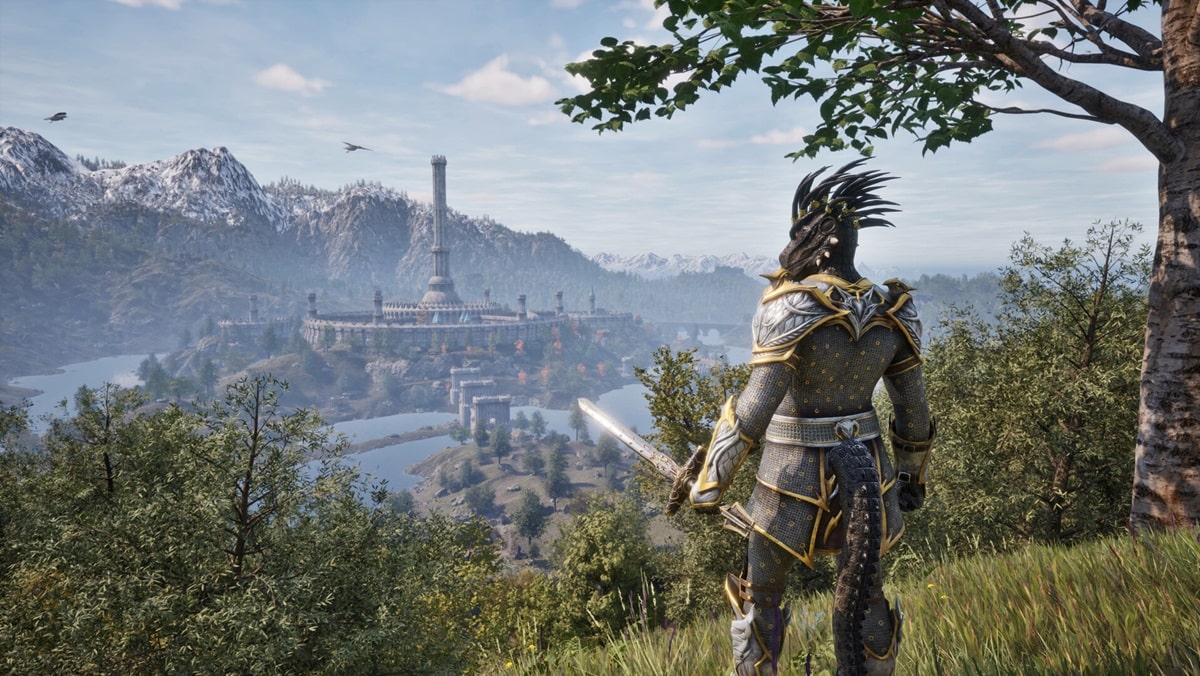
Bringing one of Bethesda’s most celebrated RPGs back into the spotlight, The Elder Scrolls IV: Oblivion Remastered arrives on today’s systems including the PlayStation 5 with the weight of its legacy firmly on its shoulders. Originally released in 2006, Oblivion was a landmark for open-world fantasy games, and this remaster seeks to preserve that magic while modernizing key aspects for today’s audiences. In many ways, it succeeds at rekindling the sense of wonder that defined the original, even if some of its underlying mechanics show their age.
The narrative of Oblivion Remastered remains faithful to the original experience, throwing players into a sprawling battle against the forces of Oblivion while offering countless side stories across the diverse regions of Cyrodiil. It’s a world that feels alive thanks to handcrafted environments and a wealth of characters, and although the main quest might now feel somewhat conventional compared to more recent RPGs, the freedom to carve out your own path still feels liberating and showcases how far ahead of its time the original was. The inclusion of the Shivering Isles and Knights of the Nine expansions only enriches the experience, adding layers of lore and new quests that blend seamlessly with the base game.

Gameplay-wise, the remaster offers an experience that is largely faithful but enhanced. Combat feels sharper thanks to refinements in responsiveness and feedback, although it still can’t fully escape the occasionally clunky feeling that characterized the original release. Magic use, stealth, and melee combat all benefit from smoother controls, but players expecting a complete overhaul might be caught off-guard by how much of the original design has been preserved. In many ways, this is a game that still values the same exploratory spirit and open-ended quest structures that made it a classic, rather than trying to retrofit it with modern RPG conventions.
Visually, Oblivion Remastered is where the differences become immediately apparent. The overhauled character models, environmental textures, and lighting breathe new life into Cyrodiil, capturing the sweeping beauty of the forests, mountains, and cities in a way that feels appropriate for current-gen hardware. That said, while major landmarks and interiors look impressive, some smaller assets and animations betray the game’s older roots, leading to occasional moments where the illusion of modernization falters. Still, the world overall is far more immersive than it has ever been, and the remaster strikes a balance between preservation and enhancement.
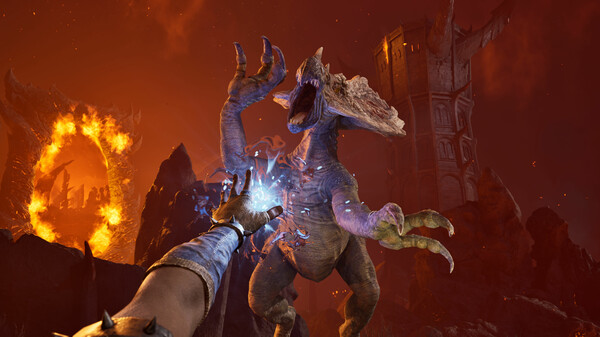
Audio has been another area of careful attention, with Jeremy Soule’s iconic soundtrack sounding as impressive as ever. The remaster cleans up sound effects and voice work, offering clearer dialogue without tampering too much with the charm of the original performances. Some players might still find the limited range of voice actors noticeable, particularly during side quests, but it’s part of the character of a game from a different era. The improved audio fidelity, however, makes exploration and combat far more atmospheric, with environmental sounds and music working together to keep players immersed.
In the end, The Elder Scrolls IV: Oblivion Remastered is a respectful and loving update of a landmark RPG. It doesn’t try to completely reinvent the experience, and while that fidelity sometimes highlights the game’s age, it also preserves what made Oblivion special in the first place. For returning players, it’s a nostalgic journey given new life; for newcomers, it’s a chance to discover a world that helped define a generation of RPGs and inspired what came after.
Score: 8.0/10
 Press Play Media