In today’s indie game roundup, we are reviewing Zombies Overloaded, Canine and Dungeons of Paint. Read on for more on these budget-friendly new releases.
Zombies Overloaded review (PS5)
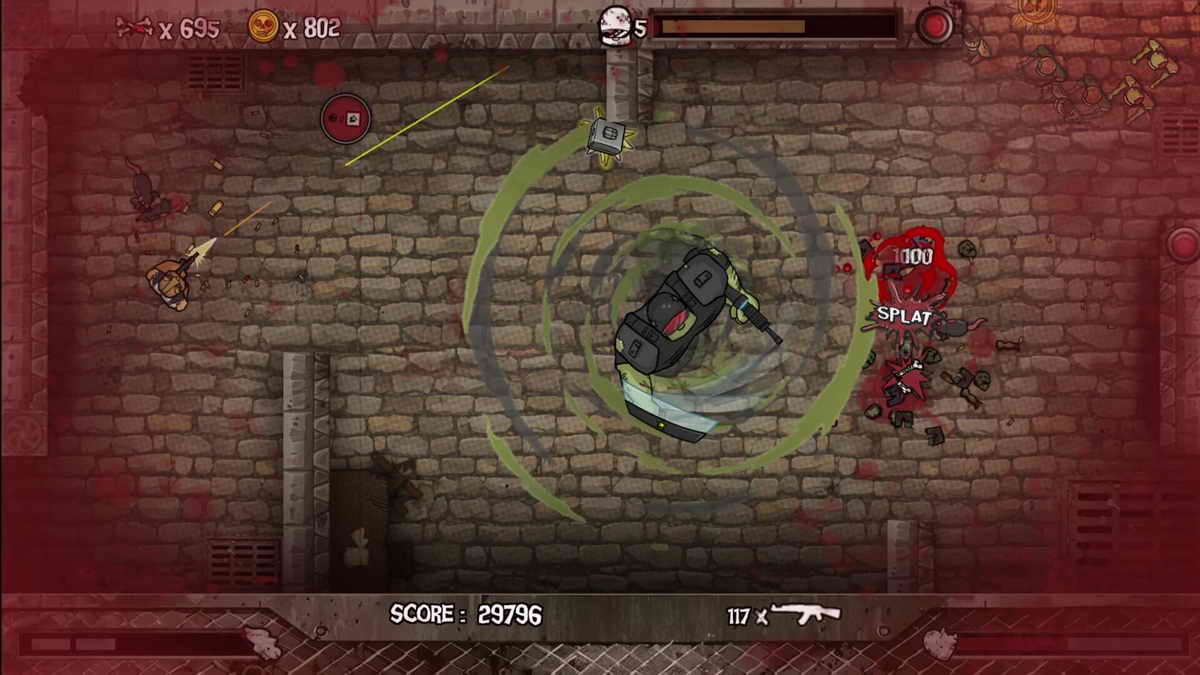
Zombies Overloaded delivers a hectic dose of arcade-style action in a confined space, where the challenge lies in surviving increasingly difficult zombie waves. The game’s central hook – mowing down enemies with a rotating arsenal while dodging hazards – channels a chaotic charm, especially when randomized weapons and screen-clearing explosions keep things lively. Boss encounters every few rounds offer unique patterns and attacks, breaking up the rhythm just enough to keep players on their toes.
Despite that strong core, the game struggles with its low-budget presentation and technical polish. Movement feels jittery, hitboxes can be frustratingly imprecise, and the flat cutout visuals lack the polish needed to fully sell the retro look. While some might enjoy the no-frills aesthetic, it may leave others wondering whether more care could have elevated the experience beyond novelty.

Progression systems like coin collection, skin unlocks, and weapon upgrades add a small dose of longevity, but the gameplay loop remains repetitive over time. A pacifist mode and online leaderboards try to offer some variation, yet these features don’t fundamentally deepen the experience. The weapon selection – though fun at times – is undercut by how quickly the best ones vanish, potentially turning late-game runs into a scramble for luck rather than skill.
There’s fun to be had in short bursts, especially for fans of wave-based shooters or those nostalgic for simple arcade games. But without sharper mechanics or more content variety, Zombies Overloaded ends up feeling like a competent but forgettable entry in the crowded indie shooter space.
Canine review (PS5)
Canine is a compact horror experience that successfully taps into retro survival horror sensibilities, pairing PlayStation 1-style visuals with a grimly offbeat premise. You play as a young boy searching for his kidnapped dog, armed with little more than a throwable ball to distract a grotesque humanoid canine antagonist. While the core concept sounds odd, it manages to carve out a unique and creepy identity through its eerie ambiance and tension-focused design.
Instead of combat, the game emphasizes stealth and distraction. You’ll navigate dark corridors, hide from your pursuer, and make use of the ball mechanic to outsmart him – a system that works well but occasionally frustrates due to the unpredictable AI pathfinding and collision issues in some environments. There’s also a star-rating system and two endings, which add a layer of replayability to what is otherwise a short experience.
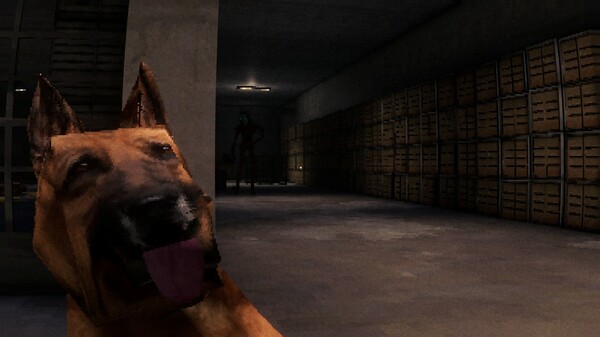
The low-poly aesthetic and lo-fi audio do a lot of heavy lifting here, giving the game a mood that feels somewhere between campy VHS horror and earnest indie creep-fest. At its best, it recalls the claustrophobic dread of PSX-era Resident Evil or Silent Hill games, albeit in a far more budget-conscious package. There are occasional glitches, and the controls take some getting used to, but for genre fans, these rough edges mostly feel intentional rather than distracting.
Overall, Canine delivers an effective throwback horror title with a clever twist on traditional stealth gameplay. It’s brief, atmospheric, and quirky enough to stand out, even if its technical roughness and simple design may limit its appeal beyond niche fans of low-budget survival horror.
Dungeons of Paint review (PS5)
Dungeons of Paint makes a strong first impression with its distinct visual hook: each shot from your paintball-inspired weapons leaves bright splashes of color across the initially drab dungeon floors. It’s an eye-catching concept that gives the game a unique identity among twin-stick shooters. Unfortunately, that aesthetic creativity doesn’t extend far into the gameplay itself, which quickly settles into a loop that feels repetitive and shallow despite its five dungeons and 20 challenge stages.
The core combat mechanics are functional but lacking in excitement. Enemy encounters tend to be sparse and low-pressure, and the automatic weapon-swapping system – triggered every time you pick up new ammo – introduces randomness that disrupts rather than enhances the flow. The idea may have been to keep players on their toes, but in practice, it undermines tactical depth and turns many encounters into spurts of trial and error.
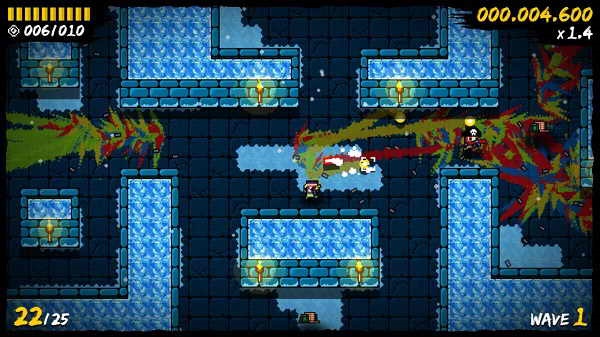
Though directional cues are meant to guide you toward remaining threats, they often prove unreliable, resulting in wasted time as you search the map for stragglers. This highlights a broader issue with the game’s pacing: the action never quite builds momentum – or loses it too soon. Without meaningful progression or variety in its objectives, the game relies too heavily on its paint-spattered charm to carry interest across sessions.
There are things to like here – the pixel art style is pleasant, the music has a relaxing quality, and the idea of painting the battlefield is conceptually fun. But Dungeons of Paint doesn’t do enough with those strengths to keep players coming back. It’s a creative premise held back by gameplay that lacks energy and depth, leaving a stylish impression that fades quicker than it should – but perhaps that’s okay considering its budget-friendly price tag.
 Press Play Media