Sports games are often defined by incremental improvements, but every so often a new entry aims to push the series into fresh territory. With NHL 26, EA Sports is leaning heavily into player expression and on-ice creativity, emphasizing not just how the game plays but how fans can shape their own style of hockey. Building on the technical foundation of past installments while layering in refined mechanics, expanded customization, and community-focused features, this year’s edition feels positioned to balance authenticity with innovation.
What we know
EA Sports is back on the ice with NHL 26, the latest entry in its long-running hockey series. As always, the focus is on authenticity and excitement, but this year’s iteration leans heavily into data-driven realism. Powered by ICE-Q 2.0 and NHL EDGE data, superstars are designed to move, think, and play more like their real-world counterparts. The game refines player tendencies and attributes, which translates into more distinct playstyles on the ice. On top of that, the X-Factor system has been expanded to include 28 unique traits spread across five categories, with new animations and tactical layers that make them feel more impactful.
For goalies, EA Vancouver is introducing the Goalie Crease Control System, which emphasizes reflex saves, better positioning, and reactive adjustments in crowded scenarios around the net. There are more innovations off the ice, but those will be announced in the near future.

What we saw
We joined an online demo with Creative Director Mike Inglehart and Principal Designer David Pritchett, who walked us through the major innovations in NHL 26 and discussed the design philosophy behind this year’s release. While we haven’t had a chance to get hands-on yet, the presentation gave a strong sense of the direction EA Vancouver is taking.
What we thought
What immediately stood out during the presentation was the level of detail and expertise that has gone into shaping this year’s game. The reliance on NHL EDGE data makes superstars feel more unique and should resonate with die-hard hockey fans who want the virtual game to reflect what they see on the ice each week. For example, forwards who thrive on speed and quick decision-making should stand apart more clearly from those who rely on strength or positioning. That said, while this level of depth is impressive, it raises the question of how much of a difference this will make for more casual players who might not appreciate the finer details.
The revamped X-Factor system is another area where EA Vancouver seems to be pushing for more gameplay variety. Unique animations and tiered impact levels could help star players feel like genuine game-changers rather than statistical boosts. It’s a promising system, but without hands-on time, it’s hard to tell if these abilities will feel balanced or if they might skew online play too heavily towards a handful of dominant traits.

Goalies also look set to play a bigger role this year, with the new Crease Control System adding more dynamism to close-range situations. The improved AI positioning and reflex-driven animations should make playing between the pipes less frustrating and more rewarding, which could make goalie gameplay a bigger draw for competitive players. Whether these improvements hold up under player control is something we’ll need to see for ourselves.
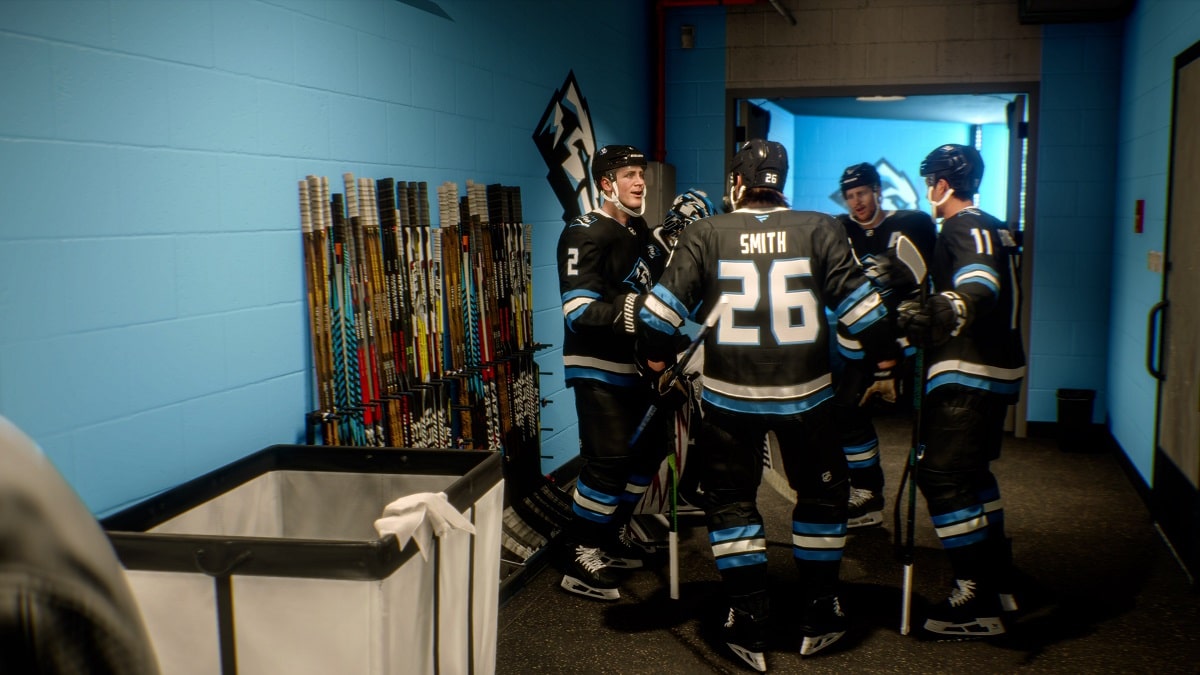
Visually, NHL 26 builds on the foundation of recent years rather than reinventing it. Character models and arenas look sharp, and the presentation has the familiar polish EA Sports is known for, though it may not wow those looking for a major graphical leap. Audio commentary and crowd atmosphere will no doubt remain key pillars of immersion, and it’ll be interesting to see how these tweaks extend to other modes like Be A Pro. In all, the direction EA Vancouver is taking feels ambitious and deeply rooted in the nuances of the sport, but the big question will be whether these refinements translate into a more engaging and balanced hockey experience once we get to test it ourselves.
 Press Play Media