
Sometimes ports slip quietly onto new platforms, but this latest wave brings a surprisingly varied mix of indie experiences to PlayStation 5. From a fox that doubles as a shark in the whimsical Makis Adventure, to the puzzle-box precision of Mind Over Magnet, there’s a sense of playful invention at work. Dorfromantik slows things down with its meditative board-game flow, while Faye Falling dives into something more emotional, balancing pixel-art beauty with experimental combat. Each one makes the jump to console with its own strengths and quirks, and together they show just how wide the spectrum of smaller titles on PS5 can be.
Makis Adventure review (PS5)
Makis Adventure has a quirky premise that immediately sets it apart: a fox hero who turns into a shark the moment he hits the water. That hook isn’t just for laughs – it neatly splits the gameplay between platforming on land and momentum-driven swimming sequences. The tone is lighthearted and whimsical, carried by a bright hub world and a cast of friendly NPCs, though the story is little more than an excuse to string together dungeons and boss fights.
Where the game succeeds most is in variety. The islands you explore each bring a slightly different flavor, and switching between land-based sword combat and water-driven shark mechanics helps keep the pacing lively. Boss battles are the highlight, often mixing platforming and combat into sequences that feel playful rather than punishing. At the same time, the precision of the controls isn’t always as tight as the level design demands, with certain jumps or underwater turns feeling heavier than they should, leading to a handful of frustrating moments.

Visually, Makis Adventure leans into a cheerful pixel-art style for its dungeons, contrasted with a simple 3D overworld that ties the islands together. The result is charming, if not always polished – some animations feel a touch stiff, and the shift between visual styles isn’t entirely seamless. Still, the art direction is consistently bright and inviting, backed by a soundtrack that supports the adventurous vibe even if few tracks truly stand out.
As an indie project, Makis Adventure doesn’t reinvent the wheel, but it delivers a creative blend of ideas that make it more than a standard retro-inspired platformer. The mix of exploration, transformation mechanics, and boss variety shows plenty of character, even if the execution isn’t flawless. For players in the mood for a colorful platformer with some unusual twists – and who can forgive a few rough edges – this is a journey worth diving into.
Mind over Magnet review (PS5)
Mind Over Magnet makes no secret of its origins: it’s a puzzle-platformer from Mark Brown of Game Maker’s Toolkit fame, and the design chops show from the opening stages. The setup is simple – escape a factory by teaming up with sentient magnets – but that conceit quickly grows into a series of tightly constructed single-screen challenges that reward experimentation. The lighthearted tone and characterful “magnet friends” add charm, though there’s not much in the way of narrative beyond the framework of moving upward through the factory.
What gives the game its pull is how steadily it builds on its rules. Each new magnet buddy brings a distinct ability, whether it’s moving blocks, bridging gaps, or pulling you to safety, and puzzles cleverly force you to combine these skills in surprising ways. The pacing is brisk, with 50+ stages spread across themed worlds, though a few difficulty spikes may frustrate less patient players. Precision sometimes matters as much as lateral thinking, and while the controls are responsive overall, the odd misstep can feel costly when retrying the same solution multiple times.

Visually, the game opts for clean, minimalist pixel art with pops of color that keep each puzzle room readable at a glance. It’s not flashy, but clarity is key in a game like this, and the presentation serves that goal well. The music, too, keeps things upbeat without demanding much attention – pleasant background support rather than something memorable. The optional developer commentary is a standout feature, offering an educational peek behind the curtain for anyone curious about puzzle design.
Mind Over Magnet isn’t the kind of puzzle game that relies on spectacle; it’s all about smart, satisfying problem-solving. While the reliance on trial-and-error and occasional harsh jumps in challenge may keep it from being universally accessible, it succeeds as a thoughtful, well-crafted debut that feels both fun to play and instructive to study. Puzzle fans – especially those who’ve followed Brown’s work – will find plenty of reasons to stick with it.
Dorfromantik review (PS5)
Dorfromantik is one of those rare puzzle-strategy hybrids that feels both instantly approachable and endlessly replayable. At its core, you’re simply placing hexagonal tiles to grow forests, rivers, villages, and railways, but the gentle flow of one piece after another creates a meditative rhythm that’s easy to sink into. The premise avoids drama or conflict, which makes the act of expansion itself the reward – though quests tied to windmills, deer, or locomotives inject just enough structure to keep you aiming for higher scores.
The brand new PlayStation 5 version benefits from smooth, responsive controls that make it quick to rotate and slot pieces into place, even when your board has grown sprawling. That said, the game’s reliance on RNG for tile draws can sometimes be frustrating, particularly when a satisfying run collapses due to a poor sequence of tiles rather than poor planning. Still, with different modes ranging from quick matches to creative free-building, there’s flexibility in how much pressure or challenge you want to embrace.

Visually, Dorfromantik shines with its hand-painted aesthetic, which captures the feel of a living board game. Biomes shift subtly as you progress, and the way settlements or forests organically knit together gives every session a sense of personal artistry. The calming soundtrack complements this tone beautifully, offering light, melodic loops that reinforce the game’s meditative atmosphere rather than competing for attention. As a result, the presentation makes each village or river system feel like your own pastoral diorama.
Taken as a whole, Dorfromantik is less about “winning” and more about enjoying the act of creation. Its slower pace and lack of traditional goals won’t appeal to everyone, especially players looking for progression or tension, but for those who want a relaxing alternative to more aggressive strategy titles, it’s a standout. On PS5, it’s easy to dip in for a short session or lose yourself in hours of careful placement – proof that sometimes the most rewarding gameplay loop is simply watching a world quietly take shape.
Faye Falling review (PS5)
Faye Falling wastes no time in setting up its ethereal premise: you’re a soul adrift in the afterlife, piecing together fragments of memory while confronting an encroaching darkness. It’s an evocative setup, and the game leans heavily on atmosphere, weaving themes of loss and identity into a pixel art journey that feels equal parts haunting and tender. While the narrative can be a little opaque at times, the mystery surrounding who you were in life and what your choices now mean gives the story a strong emotional hook.
The heart of the experience lies in its turn-based battles, which are given a twist through short, reflex-driven minigames. Instead of just choosing an attack and watching it play out, you’re asked to time dodges or execute quick sequences to mitigate damage and empower spells. This keeps encounters lively, even if the reliance on these quickfire mechanics may frustrate those looking for more traditional, methodical RPG combat. Exploration adds another layer, with mazelike environments and puzzles that strike a fair balance between clever and occasionally tedious.
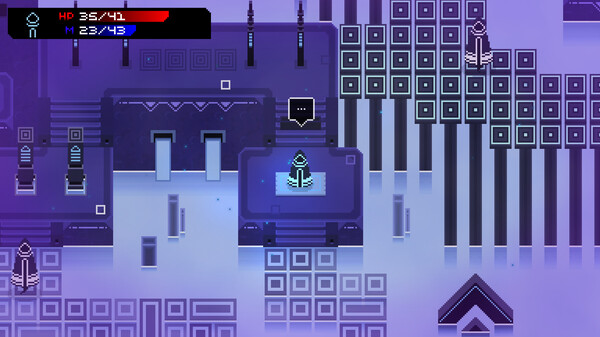
Controls on the PlayStation 5 are smooth, with responsive inputs during the real-time sequences and intuitive navigation across the isometric maps. Still, some of the minigame prompts can feel finicky, especially when multiple mechanics stack in tougher fights, leading to moments of irritation rather than tension. Despite this, the variety in enemy patterns and the steady introduction of new abilities ensure that battles rarely grow stale.
Visually, Faye Falling impresses with luminous pixel art that gives each environment a distinct identity, from serene afterlife plains to more oppressive, shadowy spaces. The fluid animations help lend weight to combat, while the soundtrack underlines the game’s emotional arc with moody, atmospheric compositions. Together, the presentation amplifies the game’s reflective tone, even when the gameplay itself stumbles in places. For players willing to embrace a mix of experimentation and imperfection, this is a striking indie RPG with, at times, more heart than polish.
 Press Play Media