
This has been a busy period for ports, with several smaller but distinctive titles making the jump to new platforms. From the chaotic microgame antics of DUCK: Dangerous Ultimate Cartridge Kidnapper on PlayStation 5 to the text-heavy immersion of Roadwarden on Switch, each of these releases highlights a different corner of indie design. Add to that the expansive freedom of The Nameless: Slay Dragon and the unapologetic retro grit of 1989 After the War, and you get a mix that’s as eclectic as it is nostalgic. Whether you’re after fast-paced party play, a deep narrative experience, or a throwback to the 8-bit era, this roundup shows how diverse the port scene can be.
DUCK: Dangerous Ultimate Cartridge Kidnapper review (PS5)
DUCK: Dangerous Ultimate Cartridge Kidnapper is one of those oddball indie projects that leans fully into its own silliness. Built around the concept of a cursed cartridge trapping ducklings inside 100 microgames, it instantly recalls the chaotic energy of WarioWare, but with its own retro-flavored personality. On PlayStation 5, following its PC debut, the game brings together fast-paced bursts of gameplay tied together with a tongue-in-cheek narrative that embraces absurdity while nodding to gaming nostalgia.
The gameplay’s greatest strength lies in variety. You’re constantly shifting between genres, from quickfire duels to bizarre chores like tomato sorting or jungle expeditions, each lasting less than a minute. The unpredictability keeps the pace snappy and engaging, especially in multiplayer where survival and party modes bring out the game’s chaotic side. Not every microgame hits the same high, though – some feel undercooked or too simplistic, and the repetition across three difficulty levels can wear thin over longer sessions. Still, the sheer breadth of ideas makes it easy to forgive the occasional dud.

Visually, the shifting pixel-art styles are a fun callback to different retro aesthetics, with each microgame looking distinct. The audio adds to the variety, offering quirky sound effects and upbeat tunes that match the game’s manic pace. That said, the presentation can feel a little uneven, with certain styles more appealing than others, and the constant switch-ups can be disorienting if you’re looking for cohesion rather than chaos. But if you buy into the premise of unpredictability, this randomness is more feature than flaw.
As a package, DUCK thrives on its nostalgic atmosphere – the framing device of ducklings huddled in front of a chunky old TV really sells the feeling of stumbling upon a weird childhood cartridge. The PS5 version doesn’t radically change the formula, but the sharp performance and smooth controls make it easy to jump in and out of the action. It won’t appeal to everyone – particularly those wanting depth or polish over variety – but for players who enjoy fast, zany, and experimental fun, DUCK is a welcome throwback with a personality all its own.
Roadwarden review (Switch)
Roadwarden is a rare kind of RPG – one that strips away flashy visuals and embraces illustrated text-driven storytelling to immerse players in a bleak, morally complex fantasy world. Now arriving on Switch after its 2022 PC debut, it tells the tale of a lone traveller hired by a guild to explore a mysterious peninsula, with every encounter and decision shaping the narrative. Its biggest strength lies in how grounded and believable the writing feels, presenting a grim but human story where choices carry real weight.
The gameplay mixes elements of interactive fiction, visual novels, and RPG mechanics. You create a character – warrior, scholar, or mage – and manage not just their skills but also their survival, from food and health to limited time. Quests often overlap or block one another depending on your choices, and this branching design means replay value is strong. Still, the heavy reliance on text and slow pacing may turn off players expecting something more action-driven, as much of the game is about reading, weighing dialogue options, and managing resources rather than direct combat.

Visually, the Switch version sticks with its minimalist isometric pixel art, which frames the text beautifully but doesn’t provide much animation. That said, the illustrations and muted color palette do a lot to build atmosphere, and the haunting soundtrack adds weight to the solitary tone of your journey. And while the transition to handheld works well, long reading sessions on a small screen can be a strain compared to the PC experience.
For players who enjoy richly written fantasy worlds and moral decision-making, Roadwarden is a standout – a game that prioritizes immersion through words and consequences rather than spectacle. It won’t suit everyone, especially those looking for quick action or constant visual feedback, but on Switch it feels right at home as something you can sink into at your own pace. As long as you’re willing to embrace its deliberate, text-heavy approach, this is one of the more unique RPGs available on the platform.
The Nameless Slay Dragon review (Switch)
The Nameless: Slay Dragon arrives on Switch after its PC debut last year, positioning itself as a throwback to old-school RPG design. Its narrative foundation is familiar – a forgotten hero’s tale with dragons, covenants, and fate – but the execution leans heavily on player choice and freedom. From dialogue decisions to exploration paths, much of the appeal lies in discovering how your actions ripple through the world, with multiple endings reinforcing the sense of consequence.
Where the game stands out most is in its systems. With over twenty classes to mix and match, alongside sparks of inspiration that let you customize skills in creative ways, the progression feels flexible and experimental. Add in a rich crafting system and survival-lite touches like cooking and gathering, and you get a role-playing experience that rewards curiosity. However, while the depth is admirable, the sheer number of systems can be overwhelming at first, and some mechanics are explained in a way that may feel vague or cryptic to newcomers.

Combat takes the form of turn-based battles that emphasize tactics and planning rather than grinding, which feels refreshing. Enemies can be brutally unforgiving, especially early on, but the game encourages adapting strategies and finding workarounds rather than brute force. The absence of random battles helps streamline pacing, though occasional difficulty spikes might frustrate less patient players. Controls translate well to the Switch, though navigating menus during prolonged sessions can feel a little clunky compared to mouse-and-keyboard play.
Visually, The Nameless: Slay Dragon embraces a retro pixel-art style with strong character designs and environments that evoke a nostalgic charm. The soundtrack complements this with a mix of melancholic and heroic tracks that fit the tone, though audio repetition during long battles can wear thin. Overall, while not flawless, the Switch version preserves what made the PC release appealing: a demanding yet rewarding RPG that thrives on giving players freedom to shape their journey, even if that freedom sometimes comes with a steep learning curve.
1989 After The War review (PS5)
With a name like 1989 After the War, SEEP and Ratalaika’s latest release is upfront about its retro ambitions. You step into the role of ex-agent Sebastian Beck, tasked with hunting down seven dangerous criminals across equally hazardous stages. It’s a setup that feels ripped straight from the VHS shelf of late ’80s action movies, with a pulpy, B-movie flavor that sets the tone even if the narrative itself doesn’t evolve much beyond its opening premise.
Gameplay sticks closely to arcade traditions, offering a mix of blade and shotgun combat while introducing a curious radiation system. As you move through each level, radiation steadily builds until you find one of the refrigerator checkpoints that reset the danger. It’s a mechanic that sounds tense on paper but can sometimes tip into frustration when paired with stiff enemy behavior and occasionally repetitive stage design. The option to spend or hoard dollars for higher scores brings in an old-school layer of replayability, though it mostly appeals to score-chasers rather than players looking for depth.
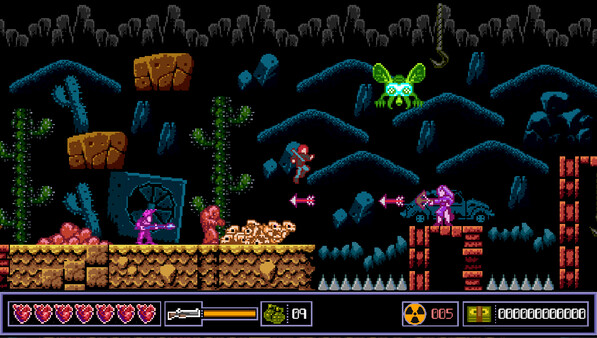
Controls are responsive enough, but they’re kept intentionally simple, which works in service of the throwback feel while also highlighting some of the game’s limitations. Enemies rarely surprise, and while the radiation concept adds urgency, it doesn’t always mask the game’s linear nature. Still, there’s some fun to be had in blasting through short levels, especially for those nostalgic for the unforgiving arcade shooters of decades past.
Visually and sonically, 1989 After the War leans hard into its 8-bit aesthetic, complete with chunky sprites and a synth-heavy soundtrack. That style choice not only reinforces its retro inspirations but – to older gamers – might also evoke memories of After the War, a Spanish beat ’em up released in the actual year 1989. That one was known for its post-apocalyptic backdrop and clunky mechanics, and while SEEP’s modern creation isn’t directly connected, the name makes the parallel hard to ignore.
 Press Play Media