
With My Hero Academia: All’s Justice, Bandai Namco and developer Byking are looking to deliver the definitive adaptation of the anime’s climactic final arc. Following the massive success of earlier games based on the series, this new entry promises both a cinematic retelling of the Final War saga and an expanded arena fighter that lets players step into the shoes of their favorite heroes and villains at their most powerful. We had the chance to see the game at Gamescom and try an early demo, giving us a taste of what fans can expect when this long-awaited clash comes to consoles and PC.
What we know
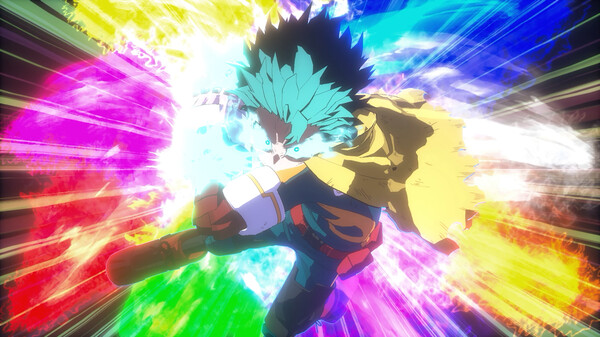
At its core, My Hero Academia: All’s Justice is a 3D arena brawler that continues the tradition of the My Hero One’s Justice series while introducing refinements to its combat system. Built around flashy 3v3 battles, the game highlights the unique Quirks of a massive roster of characters, ranging from U.A. students like Deku and Bakugo to Pro Heroes and long-time villains in their final, most powerful forms. Beyond competitive play, the game also offers a story mode retelling the Final War arc from the anime and manga, immersing players in the showdown between One For All and All For One. It’s a mix of cinematic storytelling and fast-paced fighting, and it’s set to launch on PC and consoles with all the spectacle fans might expect.
What we saw
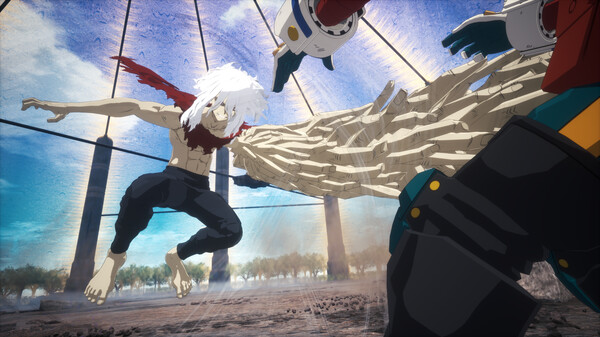
At Gamescom, we attended a presentation from Bandai Namco before going hands-on with a demo build. This gave us two different glimpses of the game: a short boss battle designed to showcase cinematic elements, and the familiar 3v3 mode where teams of heroes and villains squared off in flashy, Quirk-driven combat.
What we thought
From the outset, All’s Justice impresses with its faithfulness to the source material. Characters look as if they’ve stepped directly out of the anime, with fluid cel-shaded visuals and dynamic cut-ins that emphasize their signature moves. The combat system itself feels fast and flashy, leaning heavily into spectacle without overwhelming players with overly complex mechanics. Quirks are front and center, and each fighter has a moveset that feels true to their personality and abilities. This makes matches visually exciting and helps the game carry the same sense of hype as the anime’s most explosive battles.
The demo also hinted at how the game wants to balance cinematic storytelling with player agency. The boss battle sequence was more scripted, layering in dramatic camera angles and quick-time moments, while the 3v3 fights gave us the freedom to experiment with different team combinations. This duality could give fans the best of both worlds: a faithful narrative experience that retells the Final War arc, and a flexible arena fighter for competitive or casual play.
Still, there are questions about how much the game will appeal to those outside the fanbase. For longtime followers of My Hero Academia, the chance to relive the climactic showdown with such fidelity is a major draw, but it’s less clear whether the story mode or mechanics will be compelling enough for newcomers unfamiliar with Deku’s journey. The demo delivered spectacle, but whether it can hold attention across the full campaign will depend on how much depth the developers add beyond the surface-level flash.
That said, our time with My Hero Academia: All’s Justice was promising. The combat was responsive, the visuals were striking, and the sense of energy was undeniable. If Byking and Bandai Namco can fine-tune the balance between accessibility and depth – and ensure the story mode is more than just fan service – then this could very well be the definitive My Hero Academia game to close out the series’ epic tale.
 Press Play Media