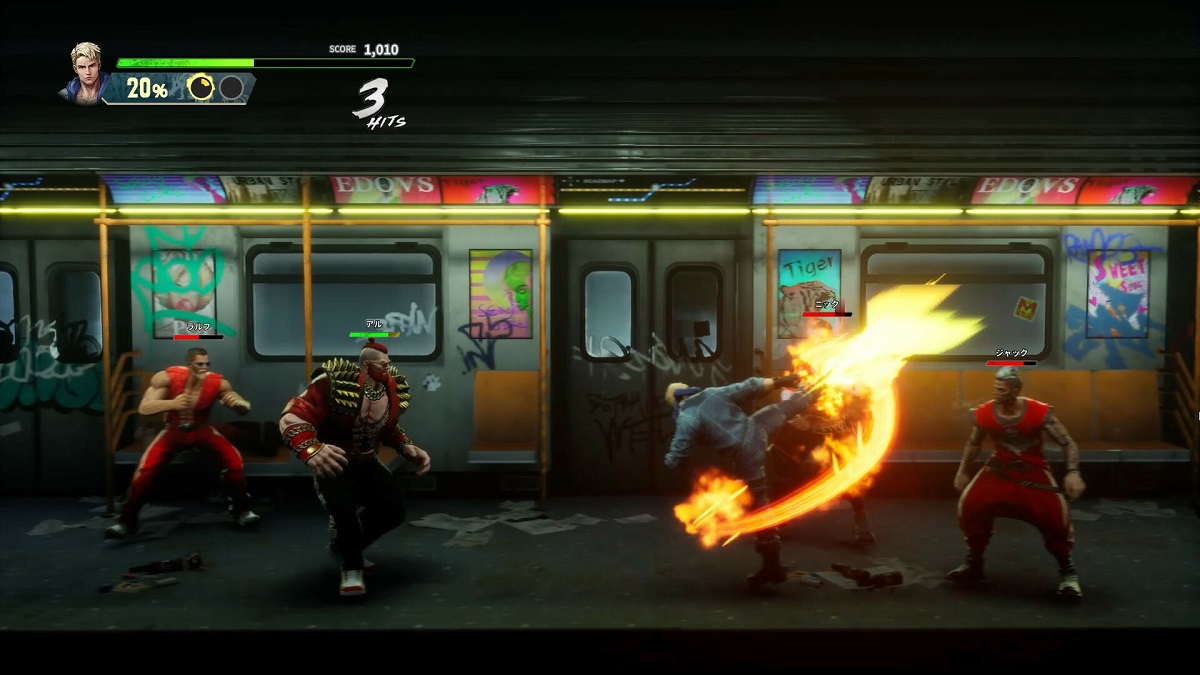
Few franchises embody the side-scrolling brawler like Double Dragon. Its arcade debut back in 1987 (along with the countless home conversions that followed) helped define the genre, inspiring countless imitators and successors along the way. Now, Arc System Works and YUKE’S are teaming up to bring the series back with Double Dragon Revive, a modern reimagining that aims to honor the past while making the experience more approachable for today’s players. After going hands-on at Gamescom, it’s clear this revival has both nostalgia and new ideas working in its favor, though its updated look and feel might not be to everyone’s taste.
What we know
Double Dragon Revive marks the return of the Lee brothers in a belt-scroll action game built on classic arcade foundations. As before, players move horizontally through levels, facing waves of enemies and picking up weapons along the way. The combat remains simple and intuitive, but the developers emphasize that strategy still matters, requiring players to learn patterns and adjust their timing rather than relying solely on button-mashing. The new 3D visuals replace the traditional pixel art, giving familiar characters and enemies a modern sheen, while balance and controls have been refined with input from Arc System Works’ experienced fighting game staff. The game is set to release on PC and consoles, promising both solo play and cooperative action.

What we saw
At Gamescom, we joined Arc System Works for a hands-on demo of Double Dragon Revive. The build allowed us to play through a full stage, complete with waves of enemies, environmental hazards, and mid-level bosses that showed off the variety of combat encounters.
What we thought
Our time with Double Dragon Revive showed that this revival leans into the strengths of the genre. Combat feels immediately accessible, with straightforward combos and special moves that make it easy to pick up and play. At the same time, there’s depth in the enemy variety, forcing players to mix up their approach and make use of both weapons and stage mechanics. In co-op, the distinction between character movesets becomes even more valuable, letting players experiment with different pairings and strategies that add to the replay value.
The visuals are likely to be divisive even though we thought the game looked great. Gone is the pixel art look that many fans associate with the series, replaced by stylized 3D models. For purists, this might feel like too drastic a departure, but history shows that an updated presentation doesn’t necessarily alienate fans – Streets of Rage 4 proved as much. And to its credit, Double Dragon Revive does capture the spirit of the arcade era even if the art style is different, with environments and characters that look lively and distinct in motion.
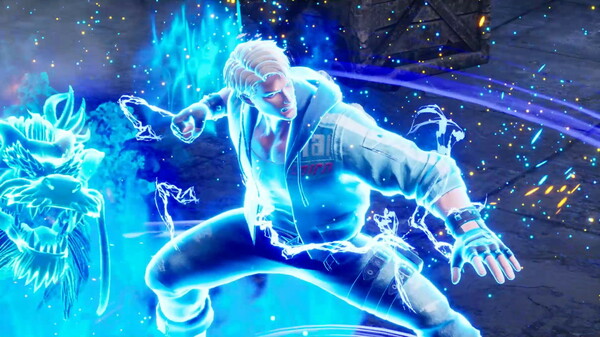
Audio design plays a supporting role in that nostalgia factor, with music and effects that evoke the feel of the classic brawlers while giving them modern punch. Punches and kicks land with satisfying weight, and boss encounters carry an added intensity thanks to their audiovisual flair. Controls, meanwhile, feel tight and responsive, especially important in a genre that lives or dies by its moment-to-moment flow – with each character feeling distinct and bringing their own playstyle.
What impressed most was how naturally the game struck a balance between old and new. The arcade-inspired simplicity is intact, but refined mechanics and distinct character styles make it more engaging than a straight throwback. For players who just want to dive in and start cracking skulls, Double Dragon Revive is easy to enjoy, while those who want to master enemy patterns and perfect their runs will find layers to sink their teeth into. It may not please every traditionalist, but for newcomers and returning fans open to change, this looks like a revival worthy of the Lee brothers’ legacy and one we can’t wait to play during a longer session.
 Press Play Media