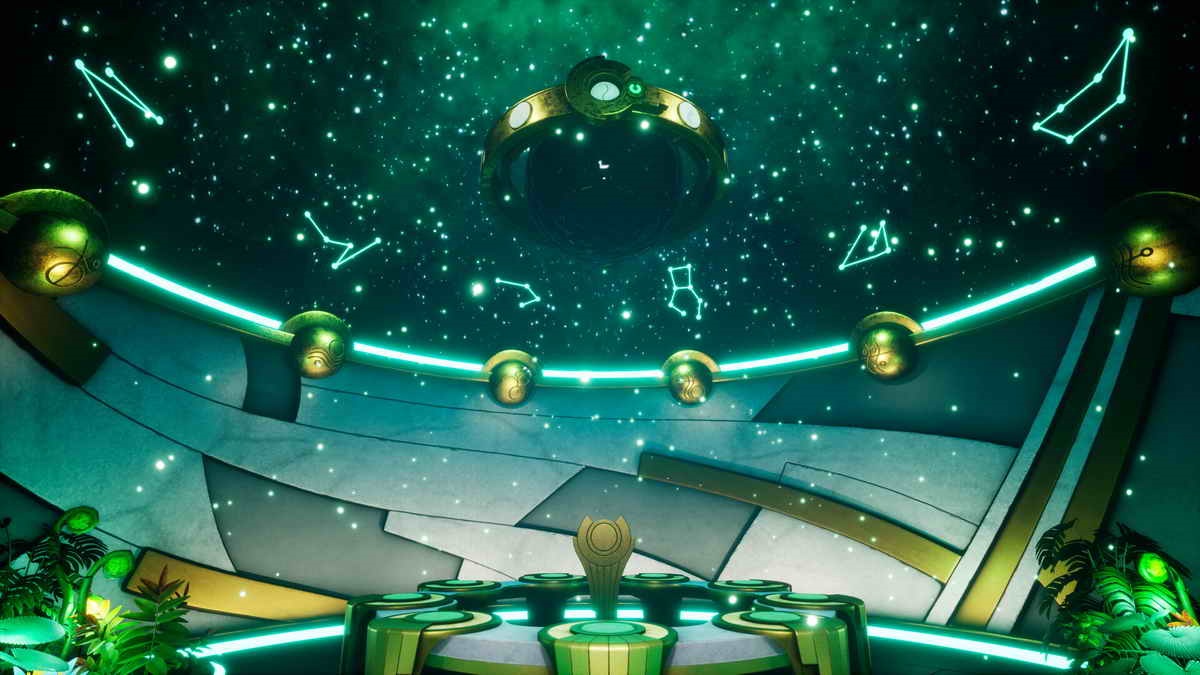
Out of the Blue Games made a name for itself with Call of the Sea, a narrative-driven puzzle adventure that mixed heartfelt storytelling with cosmic mystery. Now the studio is returning to those roots with Call of the Elder Gods, published by Kwalee. We went hands-on with the PC version at Gamescom, where we saw both the familiar visual style and new gameplay ideas that build on their earlier success.
What we know
Call of the Elder Gods is a narrative puzzle adventure steeped in Lovecraftian horror and mystery. The game follows Professor Harry Everhart and student Evangeline Drayton, who find themselves drawn to a mysterious artifact linked to dreams, visions, and unexplainable phenomena. Their search takes them from the quiet halls of Miskatonic University to far-flung and otherworldly locations, where they uncover secrets that stretch beyond time itself.
Gameplay expands on the puzzle mechanics of Call of the Sea, offering object- and observation-based challenges that require close attention to detail. Players will alternate between the two protagonists, with their different perspectives offering unique ways of solving interconnected puzzles. The game introduces new features such as toggleable hints and journals for those who want extra guidance, as well as more challenging occult riddles for players seeking a tougher experience.

The story is fully voice-acted, with Yuri Lowenthal and Cissy Jones lending their talents to the central characters. Built in Unreal Engine 5, the game promises richly detailed settings – from libraries and frozen wastelands to alien landscapes beyond comprehension – all backed by a haunting soundtrack from returning composer Eduardo De La Iglesia. Call of the Elder Gods is planned for release on PC, PlayStation 5, Xbox Series X|S and the Nintendo Switch 2.
What we saw
At Gamescom, we met with Kwalee and Out of the Blue for a demo of the game. The 30-minute session showcased a self-contained chapter that offered a taste of the puzzle design, the visual presentation, and the dynamic between the two lead characters.
What we thought
From the very first minutes, Call of the Elder Gods makes it clear that this is a game designed for players who enjoy taking their time to explore, observe, and piece things together. Much like its predecessor, it leans heavily on environmental puzzles that reward curiosity, and the ability to switch between Harry and Evangeline adds an extra layer of depth to problem solving. The notebook system is a welcome addition, offering flexible hinting that helps strike a balance between accessibility and challenge. At the same time, purists can disable these assists for a more uncompromising experience, which shows the developers are listening to feedback from their earlier game.
The story and atmosphere felt like the real hook here. While the puzzles were engaging, the half-hour demo spent a lot of time establishing the characters and their relationship with the artifact. In the trade show setting being taken out of actual gameplay meant the pacing felt slow at times, but it’s easy to see how these conversations and cutscenes will help flesh out the narrative in the full game. With the strong voice acting of Lowenthal and Jones, even the exposition-heavy sequences carried weight, and the overall presentation captured that blend of melancholy and mystery that defined Call of the Sea.
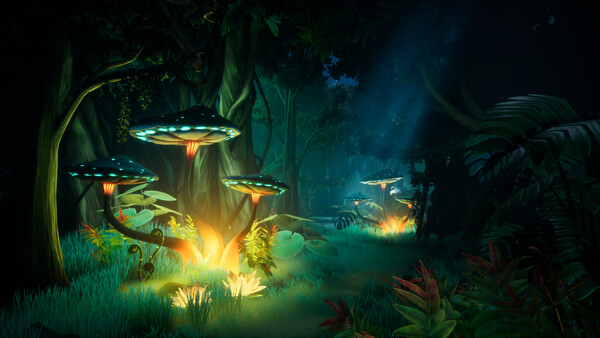
Visually, the game bears the recognizable signature of Out of the Blue, with stylized environments that are colorful yet eerie. Even in this early build, the lighting and environmental detail stood out, and the promise of visiting diverse locations – from New England to the Australian outback and far stranger places – suggests plenty of variety ahead. On the audio front, the demo already impressed, with a moody score and subtle environmental effects that build tension and unease.
Overall, it’s difficult to judge a narrative-driven game from a short demo, especially one where much of the impact depends on how the puzzles and story evolve over time. Still, Call of the Elder Gods already feels like a natural evolution of what made Call of the Sea work, enhanced by richer mechanics, flexible difficulty, and strong production values. Fans of the original will likely feel right at home, while newcomers will find a thoughtful and atmospheric puzzle adventure that aims to make every discovery feel earned.
 Press Play Media