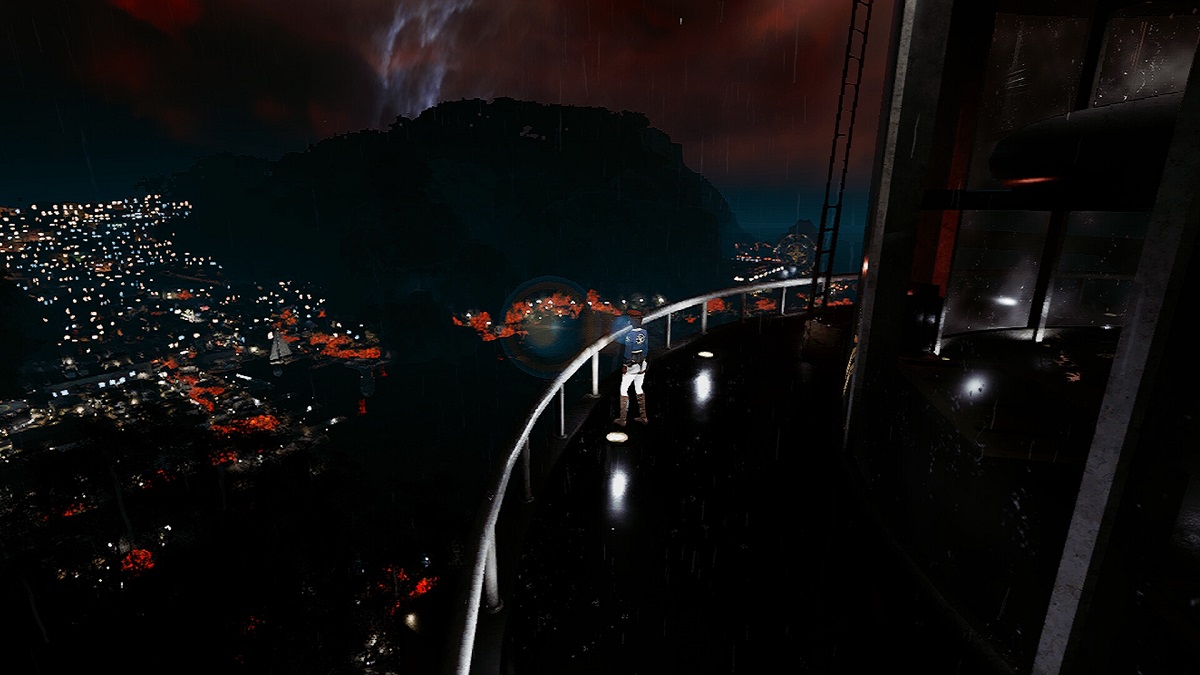
Retro-inspired survival horror is enjoying a resurgence, and Ground Zero looks to be one of the most striking examples of the genre’s revival. Developed by Malformation Games and published by Kwalee, this is a game that proudly wears its inspiration on its sleeve, evoking the PS1 era of Resident Evil while layering in unique mechanics and a distinctive setting. Set in post-apocalyptic South Korea, it brings together fixed camera angles, pre-rendered backgrounds, and tense combat in a package that feels both nostalgic and fresh. We had the chance to see the game at Gamescom, and it left a strong impression.
What we know
Ground Zero is a survival horror game that takes place in the ruined cityscapes of South Korea following the devastating impact of a meteor. Players step into the role of Seo-Yeon, an elite Korean operative, accompanied by her Canadian partner Evan. Their mission is to investigate the aftermath of the disaster and uncover the truth behind the strange growths that have spread from the impact site, corrupting what little life remains.
The game promises a mix of exploration, combat, and puzzle-solving across varied environments ranging from shoreline towns to urban centers. Combat includes both firearms and melee attacks, with a unique “clean kill” system where precision dispatching of enemies yields Genome Points that can be exchanged for upgrades. True to its retro roots, the game features tank controls, save rooms, and pre-rendered backdrops, but also offers modern touches like optional analog controls, dynamic lighting, and additional unlockables. Ground Zero is planned for release on PC, with console versions also an option.
What we saw
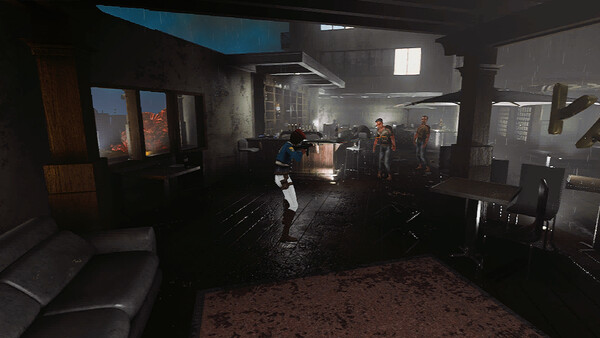
At Gamescom, we joined Kwalee and Malformation Games for a hands-off demo of Ground Zero. The session walked us through both narrative elements and gameplay systems, showing traversal, combat, and the way classic survival horror mechanics have been reimagined with a modern twist.
What we thought
What immediately stood out was the game’s hybrid approach to presentation. On the one hand, the pre-rendered backgrounds, fixed camera angles, and deliberately low-poly character models give the game a nostalgic feel that recalls late-90s horror classics. On the other hand, the use of a modern engine allows for impressive lighting effects, weather details, and smoother animation that elevate the atmosphere far beyond what its inspirations could achieve. The result feels less like a throwback and more like a thoughtful update to a beloved style.
The combat system adds an extra layer of depth, particularly through the Genome Point mechanic. Clean kills aren’t just satisfying, they’re directly tied to progression, as careful shots or decisive melee takedowns yield higher rewards than reckless firefights. This system cleverly pushes players to engage with combat strategically rather than defaulting to ammo-spamming, reinforcing the tension that defines good survival horror. The ability to stab grounded enemies for efficient finishes and to weigh whether a fight is worth the risk brings back that classic “fight or flight” decision-making, but with a unique twist.

On the narrative and setting side, the choice to place the game in a ruined South Korea feels refreshing. Exploring Busan and beyond lends the game a distinctive identity compared to the more Western backdrops of similar titles. While the hands-off format meant we couldn’t feel the tension of playing firsthand, the mix of monster encounters, boss battles, and environmental storytelling seems designed to keep players on edge. At the same time, the inclusion of multiple outfits, hidden endings, and unlockable extras shows a clear appreciation for the traditions of the genre, giving players reasons to replay and experiment.
Of course, there’s a question of how widely the game will appeal. Fans of retro horror will likely embrace the fixed cameras, deliberate pacing, and tank control option, but modern audiences more accustomed to fluid, cinematic action might find the experience harder to approach. That said, the inclusion of alternative control schemes and scalable visuals suggests the developers are aware of this and want to bridge the gap. If anything, that balance between retro homage and modern accessibility could be what makes Ground Zero stand out in a crowded genre revival.
 Press Play Media