From its first steps into the unsettling village world of The Mildew Children, it’s immediately clear that The Growing Stones and Valkyrie Initiative have crafted something that leans as heavily into tone and narrative as it does into gameplay ambitions. Framed around a grim, folklore-rich quest to save a village dominated by children bound to savage, pagan traditions, the PlayStation 5 release retains the project’s core strengths and shortcomings from other platforms while benefiting from its expressive art and deliberate pacing.
At the heart of the experience is the plot: you play as Kyrphel, a young witch charged with performing a macabre Ritual that may determine the fate of her community. The narrative evokes a blend of fairy tale and horror, weaving themes of ritual, death, and belief into a tapestry that demands sustained attention and reflection. When the story unfolds, it does so with ample dialogue and branching choices that can meaningfully affect Kyrphel’s relationships and, ultimately, multiple endings. This narrative depth is often compelling, delivering memorable moments and intriguing character dynamics that make progression feel consequential.
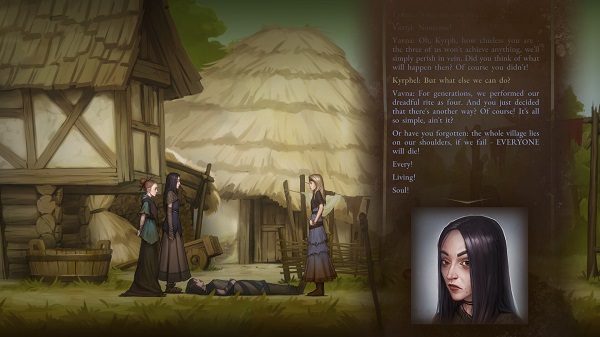
That emphasis on story extends into how the adventure plays out. More visual novel than interactive romp, the game entrusts players with long stretches of text, punctuated by dialogue choices and Quick Time Events. These sequences attempt to break up what could otherwise be a static read-through, yet their integration is polarizing. Some players will appreciate how real-time challenges like rhythm-style QTEs heighten tension and sense of consequence, while others may find that they interrupt narrative flow and distract from the writing. It’s a fine line between immersion and interruption, and The Mildew Children sometimes walks it unevenly.
Mechanically, the game wears its indie limitations on its sleeve. Movement and exploration are serviceable but not expansive; Kyrphel’s traversal through the village and its environs can feel more like purposeful reading with occasional button prompts than traditional adventure gameplay. Navigation around the village, combined with map references and back-and-forth treks, sometimes bogs down pacing, as does the absence of clearer signposting at key moments. While a reliable map and adjustable difficulty for interactive moments help alleviate frustration, they don’t wholly transform the pacing into something more engaging for players craving more dynamic interaction.
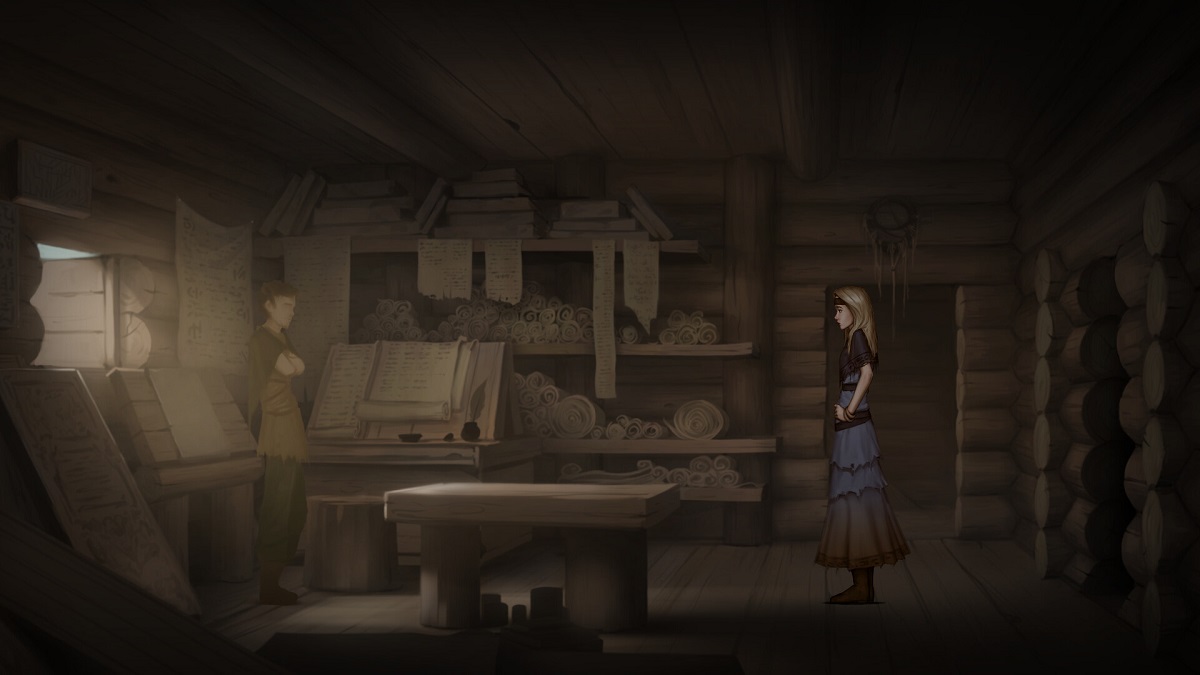
Visually, the game’s hand-drawn style is one of its most distinguishing qualities. Environments brim with shadowed detail and carefully rendered landmarks, from village huts to forest pathways, evoking a haunting aesthetic that lingers beyond play sessions. Character portraits – rich in expression and nuance – help anchor dramatic beats and convey emotional subtleties without ever feeling overwrought. While the graphical fidelity doesn’t push console boundaries, its artistic cohesion and atmospheric consistency are commendable for a small team.
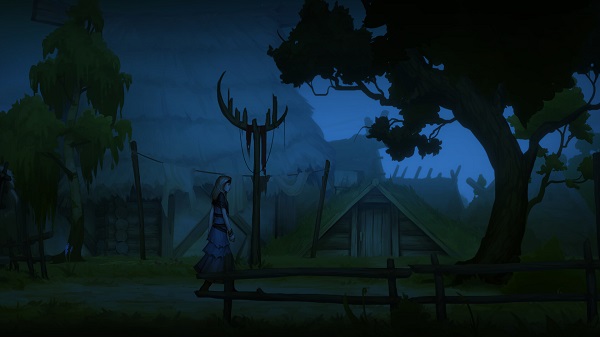
Audio design reinforces that mood, albeit in a subtler way. Foreground music and ambient effects weave quietly under the dialogue, helping immerse players without overwhelming them. Lack of voice acting is noticeable; anyone inclined toward more cinematic storytelling may miss that extra layer of engagement. Yet the audio choices that are present – eerie melodies, environmental sounds, and silences – often feel deliberate, amplifying the game’s unsettling world rather than serving as mere background filler.
Where The Mildew Children truly stands out is in its willingness to commit to a particular kind of narrative experience: one that prizes atmosphere, mood, and theme over fast-paced gameplay. For fans of story-rich, choice-driven adventures, this can be an engrossing journey with enough emotional weight and artful design to justify its six to eight-hour length. However, those expecting a more traditional puzzle or adventure game might find themselves waiting for deeper interactivity or more varied mechanics. The result is a game that’s memorable and distinct, even if it isn’t always perfectly balanced.
In the context of the PlayStation 5 version, these elements translate faithfully: The Mildew Children remains a deeply atmospheric indie narrative with evocative visuals and challenging tonal pacing. It may not redefine the genre, but it certainly asserts its own identity through a haunting tale that is at once compelling and demanding – a fitting reward for players willing to surrender to its world and its rhythms.
Score: 7.1/10
 Press Play Media