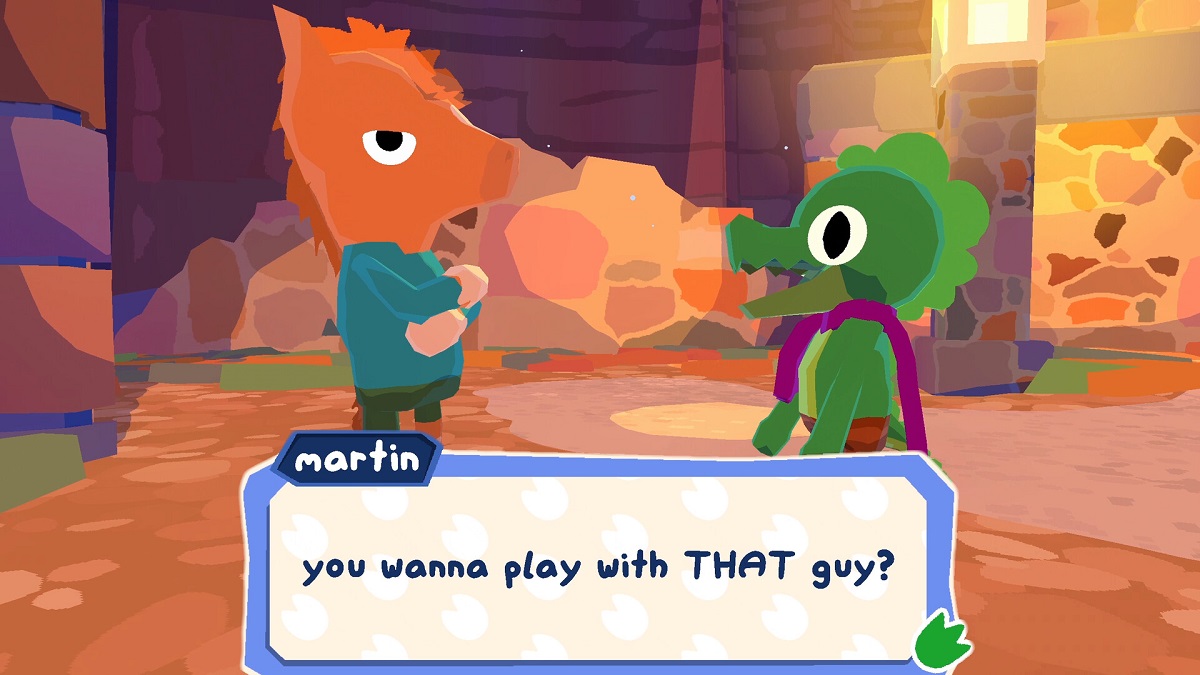
This latest roundup of recent DLC drops brings together the subterranean charm of Lil Gator Game: In the Dark on PlayStation 5 and the franchise-heavy spectacle of Zen Studios’ Bethesda Pinball pack for Pinball FX across PS5 and VR. One doubles down on warmth and accessibility, refining an already endearing adventure with new traversal twists, while the other leans into layered systems and fan service to reframe iconic game worlds through steel balls and flippers. Together, they offer a snapshot of DLC at two very different ends of the spectrum: comfortingly iterative on the one hand, and mechanically ambitious – sometimes to a fault – on the other.
Lil Gator Game: In the Dark review (PS5)
Lil Gator Game: In the Dark sees MegaWobble expand its already endearing adventure with a subterranean detour that meaningfully broadens the scope of the original. Published by Playtonic Friends and reviewed here on PlayStation 5, this DLC shifts the focus underground, revealing a sprawling cave network hidden beneath the familiar island. The new setting doesn’t abandon the series’ gentle coming-of-age undertones, but reframes them through fresh encounters and a slightly more pointed narrative thread involving a group of teenage troublemakers whose cynicism clashes with Lil Gator’s unwavering optimism. While the added storyline introduces mild dramatic tension, it remains comfortably within the game’s family-friendly tone, prioritising warmth and reconciliation over real conflict.
Gameplay-wise, the expansion retains the open-ended exploration and light quest structure that defined the base game, but spices things up with new traversal tools and toys. The ability to double jump using a ribbon adds verticality to the cave systems, and aerial slam attacks inject a bit more physicality into the cardboard “combat.” These additions feel natural rather than transformative, enhancing mobility without overcomplicating the control scheme. On PS5, movement remains fluid and responsive, and the simple control layout ensures accessibility for younger players. That said, the core loop still revolves around low-stakes fetch quests and light platforming, and those hoping for deeper mechanical evolution may find the experience charming but mechanically conservative.
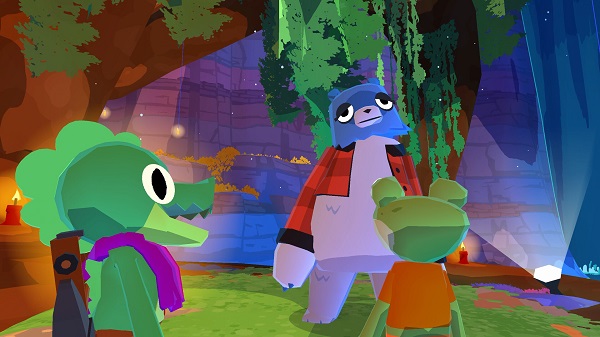
The cave environment proves to be the DLC’s strongest asset. Bioluminescent accents, glowsticks, and cosy alcoves create a welcoming atmosphere rather than anything foreboding, turning what could have been a darker tonal shift into something snug and inviting. There’s a satisfying density to the map, with secrets, characters, and small story beats tucked into corners that reward curiosity. Visually, the soft colour palette and rounded character designs remain consistent with the base game’s toybox aesthetic, and performance on PS5 is stable throughout exploration. The audio design complements the setting with gentle, unobtrusive music that reinforces the laid-back mood, though it rarely steps forward as a standout element in its own right.
As an expansion, In the Dark succeeds less by reinventing Lil Gator Game and more by confidently extending what already worked. It effectively doubles down on the original’s charm, sense of play, and emotional sincerity, while offering enough new gear and narrative texture to justify the return trip. At the same time, its reluctance to meaningfully raise the stakes or deepen its mechanics means it feels like a generous epilogue rather than a bold new chapter. For players who connected with Lil Gator’s earnest worldview, however, this underground adventure provides a cosy and heartfelt continuation that fits neatly alongside the base game rather than overshadowing it.
Pinball FX (VR) – Bethesda Pinball review (PS5/Quest)
The updated version of Zen Studios’ Bethesda Pinball DLC for Pinball FX leans hard into the strengths and weaknesses that have defined prior Bethesda-themed pinball packs while updating the experience for both PlayStation 5 and VR platforms like Meta Quest. On paper, wrapping the sprawling worlds of Fallout, DOOM, and Skyrim into three pinball tables sounds like a canny fit – each universe brings distinctive flavor and motifs to the flippers and bumpers – and there are moments where that fusion really sings. Yet the moment-to-moment execution on PS5 is more of a stylistic hit than a mechanical revolution, and the learning curves of some tables underscore how ambitious design sometimes outpaces clarity in gameplay. What doesn’t change is that each table is rich with fan service and visual callbacks that nudge even casual Bethesda fans into appreciating how well these mechanical reinterpretations evoke their source material.
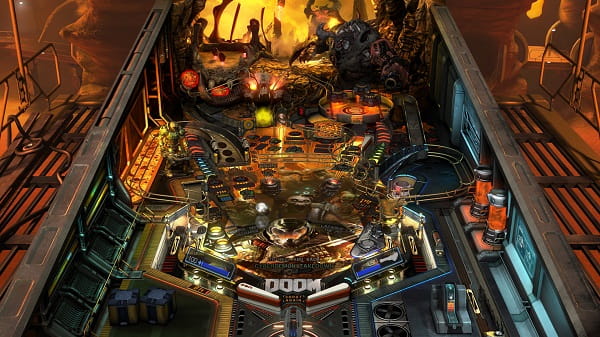
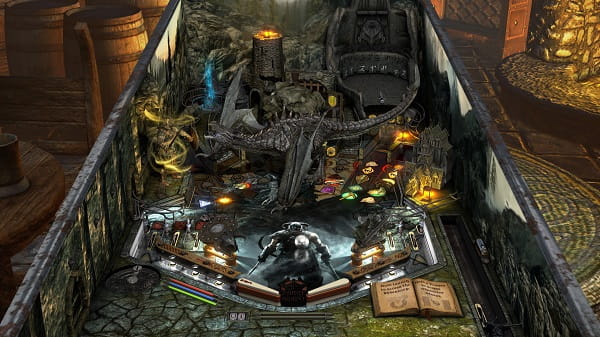
The Fallout table aims to bottle post-apocalyptic exploration into a progression system of missions and rewards. It’s undeniably themed with Pip-Boy flairs and faction quests, but that very quest-like structure can feel slight and circuitous compared to the immediacy of a good pinball run, especially for players approaching Pinball FX for pure score-chasing rather than narrative novelty. Meanwhile DOOM’s board balances that with a more direct, frenetic loop: jump into high-tempo metal riffs and enemy waves that echo the original shooter’s breakneck pacing. It’s arguably the most immediately gratifying of the three, marrying spectacle and satisfying ball physics in ways that keep sessions brisk and engaging. Skyrim swings for the stars with its sprawling RPG-flavored integration – leveling up, quests, and branching events reminiscent of the original game – but that same ambition can lead to muddier controls and a steeper cognitive load than fans might expect from a typical pinball table.
On PlayStation with a traditional controller, the controls feel solid if occasionally opaque – especially on tables that layer meta-systems over core flipper action. Zen’s physics continue to trend toward responsiveness, but the added complexity on Fallout and Skyrim sometimes blurs the line between clever thematic layering and cluttered gameplay. Visually, the tables sparkle with callbacks and animated set pieces that deliver personality, though there’s a sense that most of the emotional weight comes from recognizability rather than innovation. Audio work leans into franchise signatures effectively, even if it isn’t always as punchy or varied as the highest-tier standalone pinball titles.
In VR, where we played the Meta Quest version, the Bethesda tables feel like a different beast entirely. The shift to a virtual environment heightens immersion in a way that flat screens can’t match: stepping up to a Skyrim table and seeing the dragon soar above you or feeling DOOM’s arcs of light and sound wrap around you genuinely amplifies the spectacle. That said, VR additions don’t wholly smooth out the underlying design quirks – some thematic systems still feel fiddly, and accessibility can vary from table to table – but there’s no denying this is among the more compelling virtual pinball experiences you can drop into. For fans who’ve ever wanted to blend nostalgic franchise worlds with the satisfying tactile rush of pinball, this DLC delivers moments of joy even as it juggles complexity and clarity.
 Press Play Media