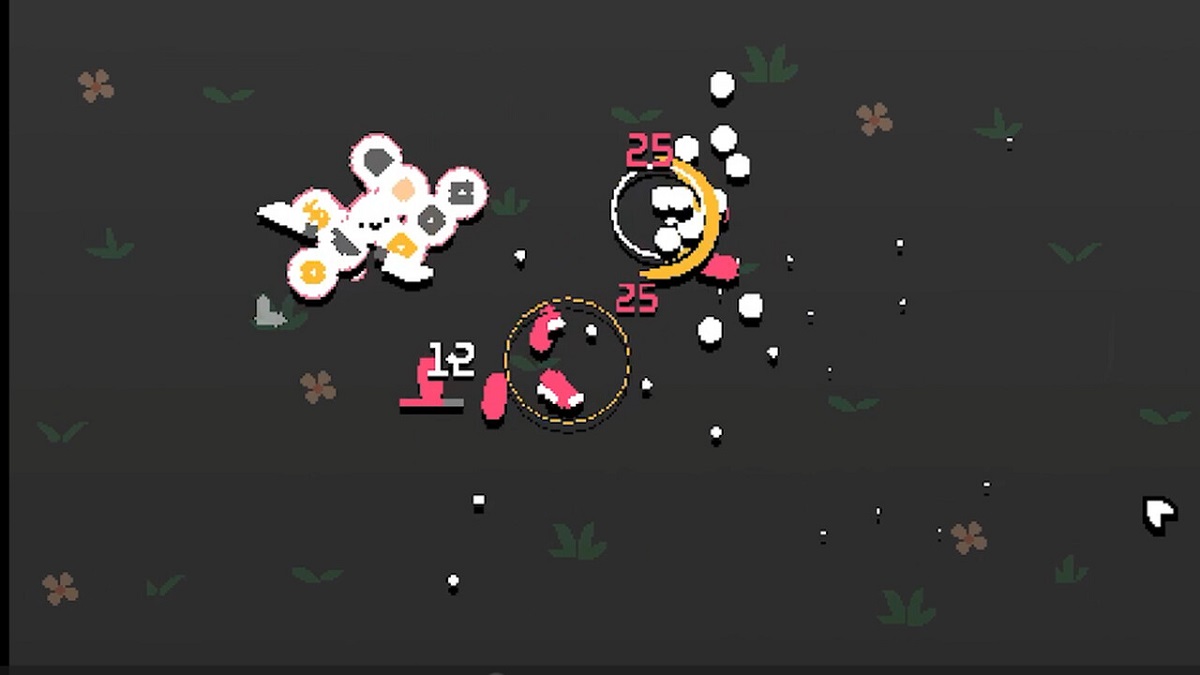
Centipede Gun arrives on PlayStation 5 as a compact roguelite autobattler that trades narrative depth for mechanical expression. There’s no sweeping story here, simply a premise built around the titular creature: a modular centipede armed to the teeth, designed and refined by the player to survive increasingly punishing waves of foes. That conceptual core – mixing strange appendages, weapon modules, and synergies to create chaotic death machines – feels like an invitation to toy with the system rather than follow a scripted arc. This setup won’t wow with lore, but it sets clear expectations from the outset: design, iterate, survive.
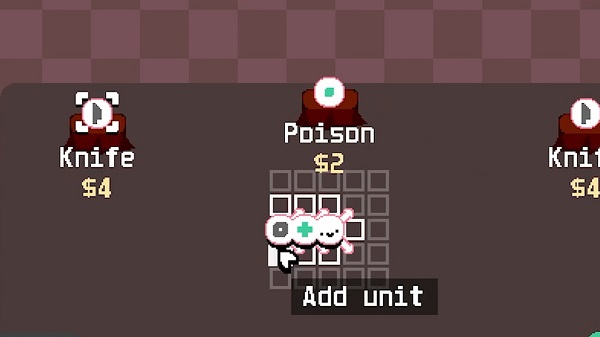
The gameplay loop is fundamentally rooted in experimentation. Between waves, you spend currency earned in combat to attach weapons, support units, and special modules to your centipede’s body. Modules auto-fire at approaching enemies, and stacking duplicates increases their potency, often unlocking surprising hidden effects. This system shines when combinations click, rewarding players with explosive screen-clearing builds that make the procedural chaos feel purposeful. It’s a design that leans into creativity over twitch reflexes, which is a smart distinction in a genre long saturated with similar auto-attack survival titles.
Controls, however, are a mixed bag. Maneuvering the centipede on PlayStation 5 employs an unconventional twin-stick scheme – one stick for forward and backward movement, the other for rotation – which initially feels awkward and unintuitive. Early sessions can feel clumsy, with the centipede’s movement bearing the finesse of a remote-control vehicle rather than a precise avatar. With time, this oddity becomes second nature, but it introduces initial friction that may deter players used to more conventional input schemes.
Mechanically, Centipede Gun balances strategy with accessibility. The lack of manual firing places emphasis squarely on build architecture and positioning, making the game approachable to players who aren’t reflex-oriented. Enemies increase in number and resilience with each wave, creating a steady escalation that keeps your strategic choices fresh. Yet the game’s short run times and limited variety in enemy types and environments temper that appeal; repeated encounters can start to feel familiar quickly, especially after multiple unlock cycles.
Visually and aurally, the game takes a minimalist approach. Its clean, geometric pixel art has charm, and the abstract shapes ensure clarity even when the screen fills with projectiles – an essential choice for a game built around fast, frenetic action. But beyond functional clarity, there’s little visual spectacle or dynamic flair, and the lack of a robust soundtrack or layered audio design leaves the sensory experience feeling flat at times. This pared-down aesthetic underscores the game’s systems-first focus, but those seeking atmospheric polish may find it underwhelming.
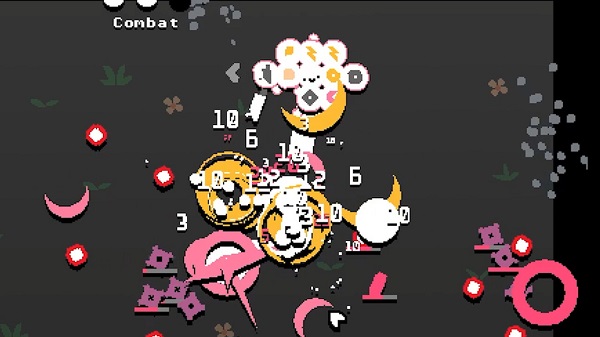
Where Centipede Gun genuinely succeeds is in the thrill of experimentation. Watching a well-tuned centipede annihilate waves of enemies with cascading synergy effects is genuinely exhilarating, and the modular system rewards curiosity. Unfortunately, the emphasis on short runs and the absence of deeper meta-progression or narrative framing means its longevity depends heavily on personal taste; some players will gladly return to refine builds, while others will find the loop too narrow after repeated plays and won’t return to it after an evening of fun with it.
In the end, Centipede Gun is a compact but clever indie outing. Its modular creature-building and emphasis on strategy over manual skill distinguish it within the roguelite autobattler space, and while its controls and shallow presentation hold it back from broader appeal, there’s a joy to be found in its mechanical sandbox that’s easy to recommend to players who relish theorycrafting and experimentation.
Score: 6.7/10
 Press Play Media