With the steady flow of indie titles making their way to new platforms, the PlayStation 5 continues to receive a diverse mix of smaller-scale projects that might have flown under the radar during their original releases. This roundup takes a look at three such games – Hunt the Night, Cryptical Path, and Soulshard – each bringing a very different flavor of gameplay to Sony’s console. From gothic action-RPG combat to experimental roguelite design and minimalist precision platforming, these ports highlight both the creativity and the occasional rough edges that often come with ambitious indie efforts. While none of them aim for blockbuster scale, each offers its own distinct ideas and atmosphere, making them interesting additions to the PS5’s growing indie library.
Hunt the Night review (PS5)
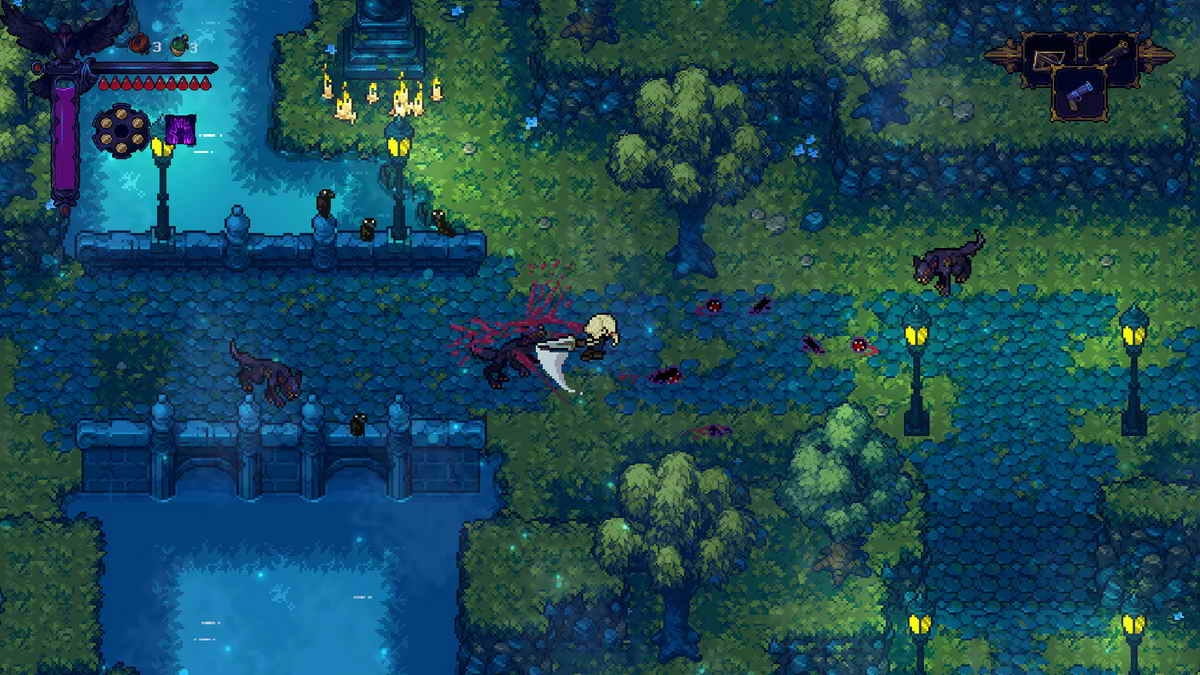
Moonlight Games’ Hunt the Night, published by DANGEN Entertainment, channels the spirit of classic top-down action adventures while layering it with a grim gothic atmosphere and punishing combat design. Set in the dying world of Medhram, the game follows Vesper, a member of the Stalkers who ventures through cursed lands and monster-infested ruins in an attempt to halt a relentless cycle of destruction. The story leans heavily into dark fantasy lore, building intrigue through environmental storytelling and scattered dialogue rather than long exposition. That approach helps establish a haunting tone and a sense of mystery around the world and its characters, though the narrative sometimes feels a little thin when it comes to deeper character development or clearer explanations of its mythology.
Gameplay is where Hunt the Night aims to make its strongest impression, combining melee swordplay, firearms and magical abilities into a fast-paced combat system that constantly pushes players to stay mobile. Dashing through enemy attacks, weaving between close-range strikes and ranged shots, and learning enemy patterns creates a satisfying rhythm when everything clicks. Boss encounters in particular stand out thanks to inventive designs and multi-phase fights that demand precision and patience. Outside of these climactic moments, however, combat arenas can occasionally feel cramped or chaotic, sometimes leading to frustration rather than the sense of mastery the game is clearly aiming for.
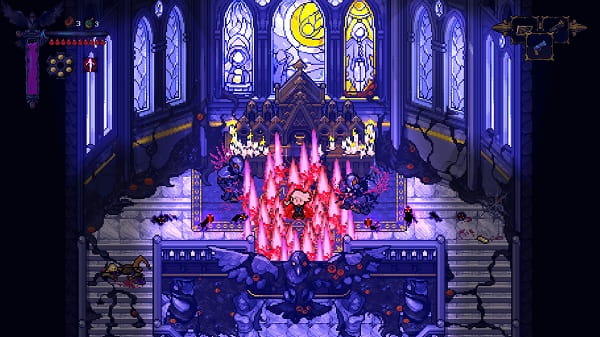
Exploration mixes overworld traversal with dungeon crawling, puzzles and optional hunts that reward upgrades and resources. While the structure echoes classic action-adventure design, the progression systems aren’t always as impactful as they could be, and some upgrades feel less meaningful than expected. The game’s challenge level also leans toward the unforgiving side, which will appeal to players who enjoy mastering difficult encounters but may prove discouraging for those looking for a more forgiving adventure. A few navigation quirks and uneven pacing in certain areas can slow the momentum as well.
Where Hunt the Night rarely falters is presentation. Its richly detailed pixel art evokes a dark, gothic aesthetic filled with ruined cathedrals, eerie forests and grotesque monsters, enhanced by dramatic lighting effects that give the world a distinctive personality. The soundtrack, featuring contributions from composer Hiroki Kikuta, reinforces the oppressive atmosphere with moody orchestral pieces that heighten both exploration and boss encounters. Taken together, Hunt the Night delivers a stylish and demanding action-RPG that thrives on its atmosphere and boss battles, even if its difficulty spikes and occasional design rough edges prevent it from reaching the same heights consistently across the entire adventure.
Cryptical Path review (PS5)
Old Skull Games’ Cryptical Path approaches the roguelite formula from an unusual angle by placing players in the role of the dungeon’s architect rather than just another adventurer trapped within it. Set inside the mysterious Hexium, a prison designed to contain dangerous souls, the premise frames each run as a struggle to reclaim control of a labyrinth that has slipped from its creator’s grasp. Narrative elements remain fairly light and mostly serve to support the atmosphere rather than drive the experience forward, but the idea of shaping your own dungeon lends the setting a distinctive twist that immediately separates it from more traditional entries in the genre.
That twist defines the game’s core mechanic. Instead of navigating a purely procedural dungeon, players actively build their route by placing rooms on the map as they progress, spending resources earned in combat to construct shops, healing rooms, or additional challenges. It’s a clever system that adds a welcome layer of strategy to the familiar loop of fighting enemies, collecting upgrades, and pushing toward the boss. Runs can feel meaningfully different depending on how the dungeon is assembled, and the room-building mechanic offers a sense of agency that roguelites rarely provide. Combat itself is fast and responsive, built around agile movement, dodges, and quick melee attacks that make encounters feel fluid and satisfying in the early stages.
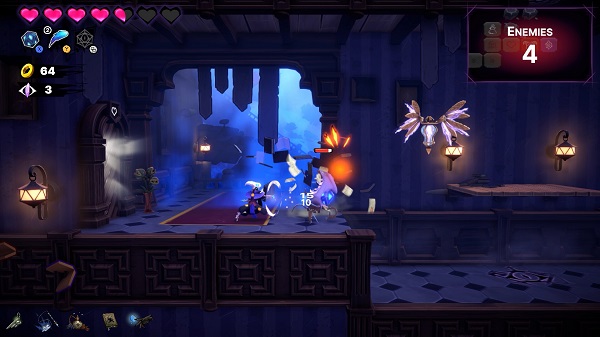
However, the longer a run continues, the more the pacing can start to drag. Enemy durability tends to scale sharply in later areas, turning encounters into prolonged damage checks that sap some of the momentum from the otherwise snappy combat. Boss fights in particular can feel overly drawn out, which is frustrating in a genre built around quick retries and experimentation. While the game offers a variety of items and upgrades, not all of them feel equally impactful, and certain builds struggle to keep up with the escalating difficulty curve. Minor quirks in movement – such as the dodge not always feeling as effective as it should – can also make tougher fights feel harsher than intended.
Fortunately, Cryptical Path still leaves a strong impression thanks to its presentation and underlying design ideas. The dark fantasy aesthetic, detailed character animations, and atmospheric audio give the Hexium a stylish and cohesive identity, and the core movement system is smooth enough that simply traversing the dungeon remains enjoyable. Combined with steady meta-progression and a healthy amount of unlockables, there’s plenty of incentive to keep experimenting with different strategies. Balance issues occasionally hold it back from reaching its full potential, but the roguelite-builder concept is compelling enough that Cryptical Path stands out as a creative and promising take on the genre.
Soulshard review (PS5)
Developed by Nibb Games and published on consoles by Ratalaika Games, Soulshard is a minimalist precision platformer that frames its action around a purgatorial journey between life and death. You control a wandering soul attempting to escape a bleak afterlife, with the story conveyed mostly through environmental cues rather than explicit exposition. It’s a restrained narrative approach that works reasonably well for the game’s tone, letting its gloomy atmosphere carry much of the emotional weight, though players expecting a more defined story may find the premise little more than a thematic backdrop for the gameplay that follows.
That gameplay centers almost entirely around tight, skill-based platforming challenges spread across thirty compact stages. Each level functions as a small test of precision, gradually layering mechanics like environmental triggers, hazard timing, and movement quirks that require careful execution. The structure encourages experimentation and repetition, helped by quick restarts that keep failures from becoming overly punishing. Still, the game leans heavily toward pure mechanical challenge rather than puzzle solving, and its difficulty can occasionally feel harsher than expected when the margin for error becomes extremely slim.
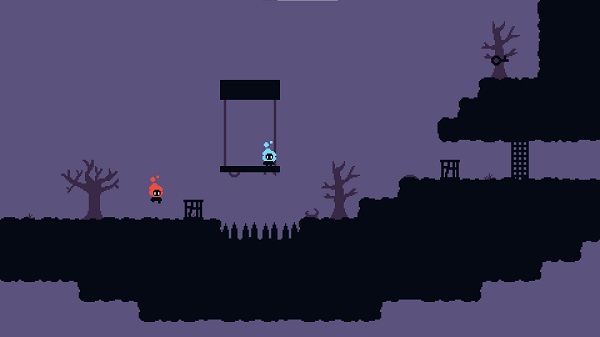
Controls generally support the demanding platforming design, offering responsive jumps and predictable movement that reward careful timing. However, the game’s reliance on precision also exposes some rough edges. Small inconsistencies in hit detection and environmental interactions can make certain deaths feel frustrating rather than instructive, and some elements – like ladder movement or tighter jumps – don’t always feel as smooth as the rest of the system. When everything clicks, though, the gameplay loop becomes surprisingly addictive, especially when replaying levels to shave seconds off completion times or tackling them together in the game’s local co-op mode.
Visually, Soulshard adopts a minimalistic pixel art style that leans into stark contrasts and shadowy environments to reinforce its somber setting. The presentation is simple but effective, with subdued audio and understated sound design supporting the lonely, otherworldly mood. It’s a short experience – often finished in under an hour – but its compact structure and cooperative play give it a bit of replay value. Rough edges in control feel and collision detection occasionally hold it back, yet as a low-cost indie platformer focused on precision and atmosphere, Soulshard still manages to deliver a brief but engaging challenge.
 Press Play Media