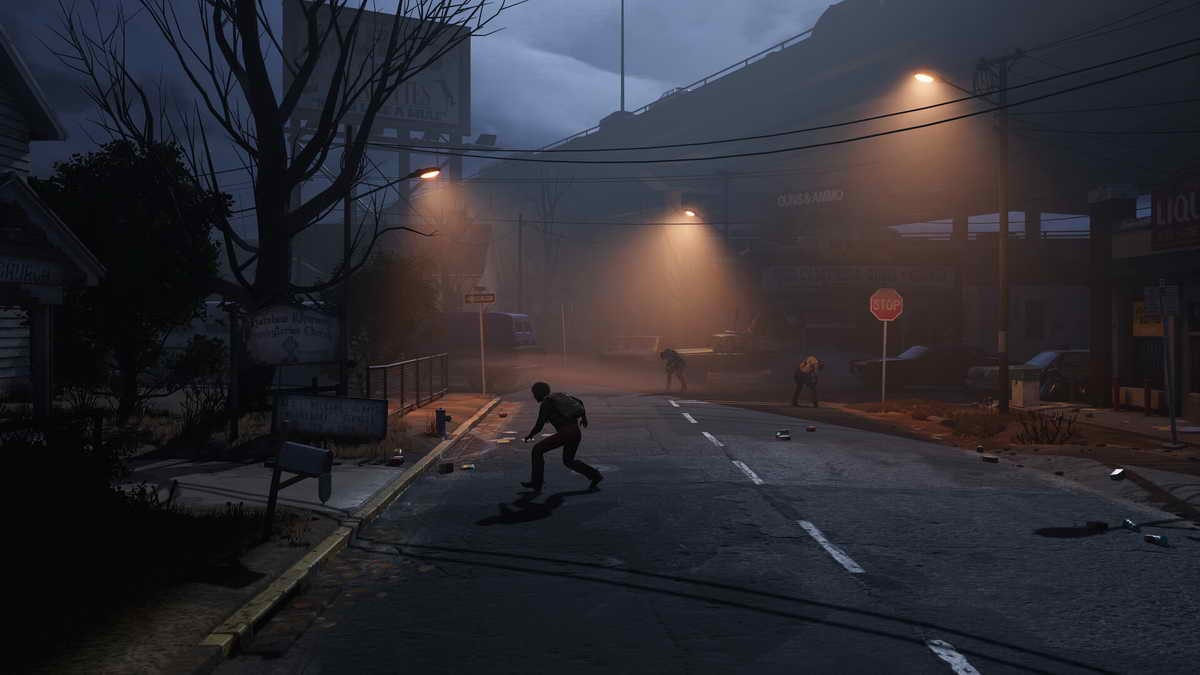
PikPok returns to its zombie-survival series with a new chapter that combines shelter management with classic undead thrills. Time for a closer look at Into the Dead: Our Darkest Days.
What we know
Into the Dead: Our Darkest Days is the latest in PikPok’s survival horror series, shifting to a side-scrolling, shelter-focused gameplay style. Set in the 1980s, it follows a group of survivors battling to escape a zombie-overrun Walton City, Texas. The game emphasizes resource management and survival tactics, tasking players with gathering supplies, crafting weapons, and fortifying shelters while navigating the dangers of both the undead and rival survivor groups. As players travel through the city’s decaying landscape, they’ll need to make choices that impact who lives, who dies, and how the group holds together. While Our Darkest Days is available in an early access form on PC, the final release will feature a changing urban environment and an evolving story with numerous playthrough possibilities.
What we saw
At Gamescom 2024, we experienced an early build of Into the Dead: Our Darkest Days through a hands-on session with PikPok. That initial look introduced us to the core pillars of the game, including scavenging runs through dangerous districts, stealth-driven exploration, and the importance of managing a shelter where survivors rest, recover, and prepare for the next outing.
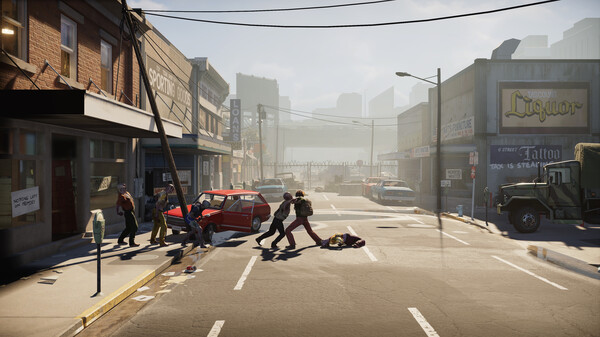
Since then, we’ve also spent time with the Early Access version on PC, which expands on those ideas with a more fully realized gameplay loop. From the shelter, survivors can be assigned to different tasks such as crafting gear, tending to injuries, or preparing supplies before venturing out into Walton’s abandoned stores, police stations, and homes in search of food, weapons, and useful materials. These scavenging runs often hinge on careful movement and situational awareness, as making too much noise can attract clusters of zombies that are difficult to fight head-on.
The Early Access build also shows how the game’s structure revolves around a cycle of planning, risk-taking, and recovery. As the days pass and resources dwindle, players must decide when to push further into the city and when to retreat to regroup. New mechanics and systems continue to be introduced as development progresses, suggesting that the Early Access version is intended as a growing foundation rather than a finished experience.
What we thought
Into the Dead: Our Darkest Days takes the series in a fresh direction, blending side-scrolling action with strategic shelter management, which reminded us of Deadlight’s visual aesthetic but adds a heavier focus on survival mechanics. The atmosphere of Walton City feels effectively grim, with desolate streets and a limited color palette that enhances the sense of decay and tension. After spending time with the Early Access build, the sense of pressure created by limited resources and uncertain exploration stands out as one of the game’s defining strengths.
Scavenging missions in particular can be tense affairs. Stealth often feels like the safest option, encouraging players to move slowly through buildings and quietly deal with isolated threats rather than rushing into combat. When fights do break out, they tend to be brief and dangerous, reinforcing the idea that these survivors are ordinary people rather than action heroes. Back at the shelter, keeping everyone fed, rested, and emotionally stable becomes an equally important challenge, creating a constant balancing act between short-term survival and long-term planning.

The Early Access version also hints at a broader systems-driven approach. Events that affect the shelter, evolving districts, and the potential for unexpected encounters all contribute to a sense that Walton City is slowly deteriorating around the survivors. While some systems still feel like works in progress, the foundation suggests a game designed around replayability and adaptive decision-making.
Visually, Our Darkest Days creates a strong impression, but the muted color palette can occasionally make environments blend together, sometimes obscuring interactive objects or key locations. The audio design contributes to the foreboding atmosphere, with a score that doesn’t overplay but underscores key moments to remind you that death is always nearby. From what we’ve seen so far, the story promises a journey that tests the survivors’ resolve and our own tactical abilities as players – but we’ll be watching to see how these narrative elements develop throughout Early Access.
Overall, Into the Dead: Our Darkest Days shows promise as a compelling addition to the zombie-survival genre, especially for those drawn to a more strategic approach. Early Access already demonstrates a strong core loop of scavenging, shelter management, and tense decision-making, but it also makes clear that the experience is still evolving. As PikPok continues to expand the systems and world of Walton City, it will be interesting to see how this bleak survival journey grows into its final form.
 Press Play Media