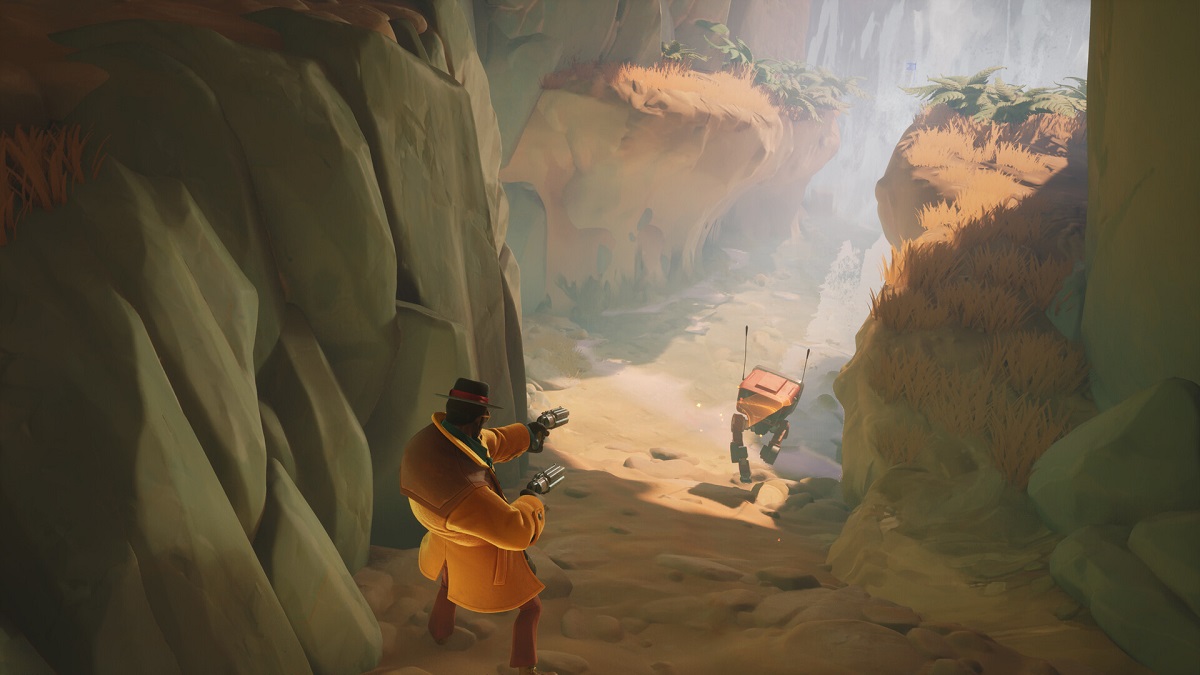
When a new multiplayer shooter appears on the horizon, it usually arrives with a familiar pedigree of veteran developers and genre expectations. Last Flag, however, comes from a slightly different direction. Developed by Night Street Games, the studio co-founded by Dan Reynolds (lead singer of Imagine Dragons) and his brother Mac Reynolds, the game reimagines the classic playground staple of Capture the Flag as a theatrical, fast-paced multiplayer competition. During a recent preview session we attended, the Reynolds brothers talked about their background in gaming, their ambitions for the project, and even joined us in playing a few rounds – offering a first glimpse at how their unconventional studio hopes to shake up the genre.
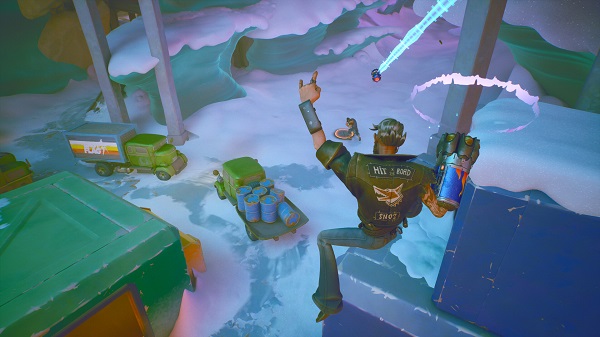
At its core, Last Flag revolves around a deceptively simple premise. Each team has sixty seconds to hide their flag somewhere within the map before the match transitions into its “showtime” phase, where players race to locate the opposing flag while protecting their own. If a team successfully returns the enemy flag to their base, the round culminates in a frantic one-minute defense window where everything suddenly escalates. The structure naturally creates a rhythm of deliberate strategy followed by explosive action – something we immediately noticed during our hands-on session.
When we asked Dan Reynolds about this sense of rising tension and release – and whether his experience performing in front of huge crowds influenced the game’s pacing – he explained that the team consciously focused on delivering emotional highs within short matches.
Dan Reynolds:
“I wouldn’t say we deliberately made the comparison to a concert set, but we did think very consciously about how to take players on a rollercoaster of emotions when they play. That’s where the real fun is. The game show framework gave us free reign to go over the top with things that heighten the best moments of the game. The spy music when you’re hiding the flag, the 60 second countdown when you’re battling to win, the announcer calling out big moments – all those features keep you experiencing the game moment to moment. And some of the game design changes we’ve made over the last couple years have been focused on creating as many of those experiences as possible in that quick 10–15 minutes of gameplay.”
Bringing that kind of theatrical energy to life required more than just a strong gameplay concept – it also meant building a development team capable of executing on both competitive shooter mechanics and the game’s playful presentation. For Mac Reynolds, who helped establish Night Street Games from the ground up, assembling that team involved borrowing lessons from another creative industry entirely, so we asked how they did it and how they combined competitive shooter mechanics with Last Flag’s more event-driven structure.
Mac Reynolds:
“Some of it was learning as we go. The benefit we had coming from music is we were used to working with creative people in a collaborative environment, so we knew that personality match is just as important as skills. We had a couple early lucky hires, and from there it became easier and easier to figure out who fits with our team culture. It’s a really special group of people. To your second question, we really looked for people who not only worked on the right kind of games and projects before us, but who worked on the exact things at those companies they came from. This was especially important for the shooter mechanics. For the world-building, it was more about finding people with incredible taste.”
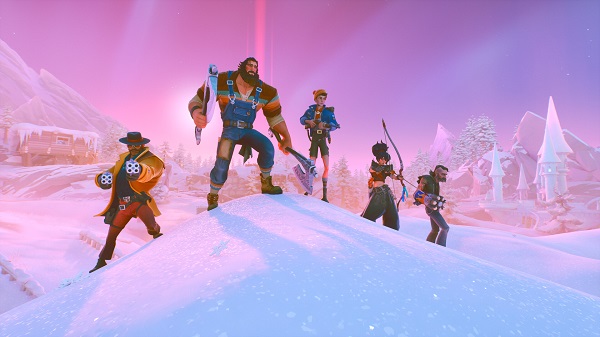
During our play session, the importance of that expertise quickly became clear. While the concept is rooted in the universally understood rules of Capture the Flag, Last Flag adds several modern twists. Players select from a roster of contestants with unique abilities, and matches take place across large maps filled with potential hiding spots and traversal opportunities. The result is a game that constantly balances stealth, map control, and direct combat.
Finding that balance was one of the team’s biggest early challenges, according to Dan Reynolds.
Dan Reynolds:
“It took us a little while to find the balance of that freedom to hide with objective gameplay, but we learned early on in development that it was core to what we are making. The difference between our game and all the other capture the flag game modes over the years is also what makes real capture the flag so fun: actually being able to hide the flag anywhere you want and set your own battlefield. Our north star is basically anything that heightens or supports the hiding and finding is good, and everything else is a distraction. We actually had a ton of other game features like a day/night cycle, enemy bosses that provide team buffs, etc. Those things didn’t make the final cut because they got in the way of that core experience. Other things like the radar towers and progression system made it through because they supported the hiding and finding.”
Of course, maintaining that focus required a development culture where ideas could come from anywhere – something Mac Reynolds says the studio actively encourages.
Mac Reynolds:
“We try to let subject matter experts flourish in their sphere. Give talented people freedom to take creative risks and a lot of exciting things can happen. But we also have a company ethos that the best idea should win, wherever it comes from. It’s a pretty flat structure that way. The trickier thing, which is really a muscle you build as a team over time, is keeping everyone rowing in the same direction. Especially for a remote studio, it takes time and practice to set up those habits and systems.”
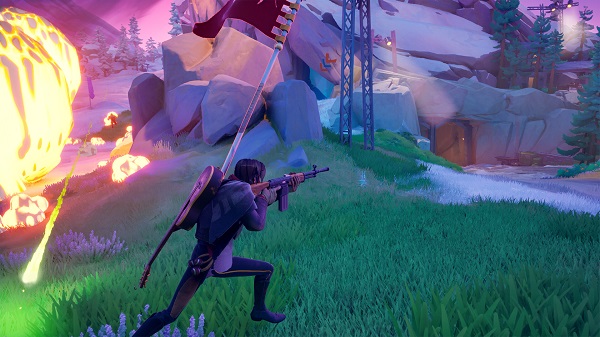
That collaborative approach also shaped the game’s distinctive aesthetic. The battlegrounds we explored during our time with the game ranged from ghost towns hidden in forest canyons to snow-covered villages and mysterious temple ruins. Each environment feels colorful and playful at first glance, but there’s also a slightly surreal edge to the world – as if the matches are unfolding inside a larger, eccentric game show universe.
According to Dan Reynolds, that tone grew out of a mix of nostalgic influences and the team’s own creative instincts.
Dan Reynolds:
“We were really inspired growing up with studios like Lucasarts, who did such a great job with smart humor. For our particular world, we talked a lot about the swagger and spectacle of Tarantino movies, which is one of the reasons we chose the 70s for our backdrop. Our team really dug in and expanded all of this. There are hidden things all over the maps, in our videos, everywhere. We wanted to give players a lot of opportunities for discovery.”
Looking further ahead, the studio is also thinking carefully about how Last Flag might evolve once players have had time to master its core mechanics. Capture the Flag is instantly recognizable across generations, but maintaining long-term engagement will depend on new content that expands the experience without overwhelming newcomers.
Mac Reynolds:
“Our first mandate is to make the quintessential capture the flag video game experience. So our new maps, new characters, and all the other content in flight will be tied to this. But even as we move to the next phase of things like additional game modes, we look at them through the lens of capture the flag. Our version of deathmatch, for example, leans in on some differentiating mechanics that you don’t see anywhere outside Last Flag. For anything we add, we try to carefully balance the need for new content and abilities with our ‘fun first’ north star. We don’t want players to come back after a break from playing and feel totally overwhelmed. The goal is depth, not complexity.”
Based on our early time with the game, that philosophy already comes through clearly. Matches are quick, chaotic, and full of memorable moments – from cleverly hidden flags to frantic last-second defenses where seemingly sure wins get overturned. It’s still early days for Last Flag, which launches on April 14th, but Night Street Games’ debut project already shows a strong sense of identity. By combining the universal appeal of Capture the Flag with a gameshow-style presentation and an emphasis on playful experimentation, the Reynolds brothers and their team may have found a surprisingly refreshing new spin on competitive multiplayer as well as a timeless playground classic.
 Press Play Media