In recent releases developers are exploring everything from surreal open-ended RPG design to physically immersive VR concepts and focused post-launch expansions. Across platforms like PlayStation 5 and Meta Quest, these titles showcase a shared willingness to experiment – whether that’s through unconventional storytelling, inventive mechanics, or bold stylistic choices – even if that ambition doesn’t always translate into complete refinement. In this roundup, we take a closer look at Dread Delusion, Unseen Diplomacy 2, and GigaBash: Final Ascension, three very different projects that each carve out their own identity while reflecting both the strengths and growing pains of modern game development.
Dread Delusion review (PS5)
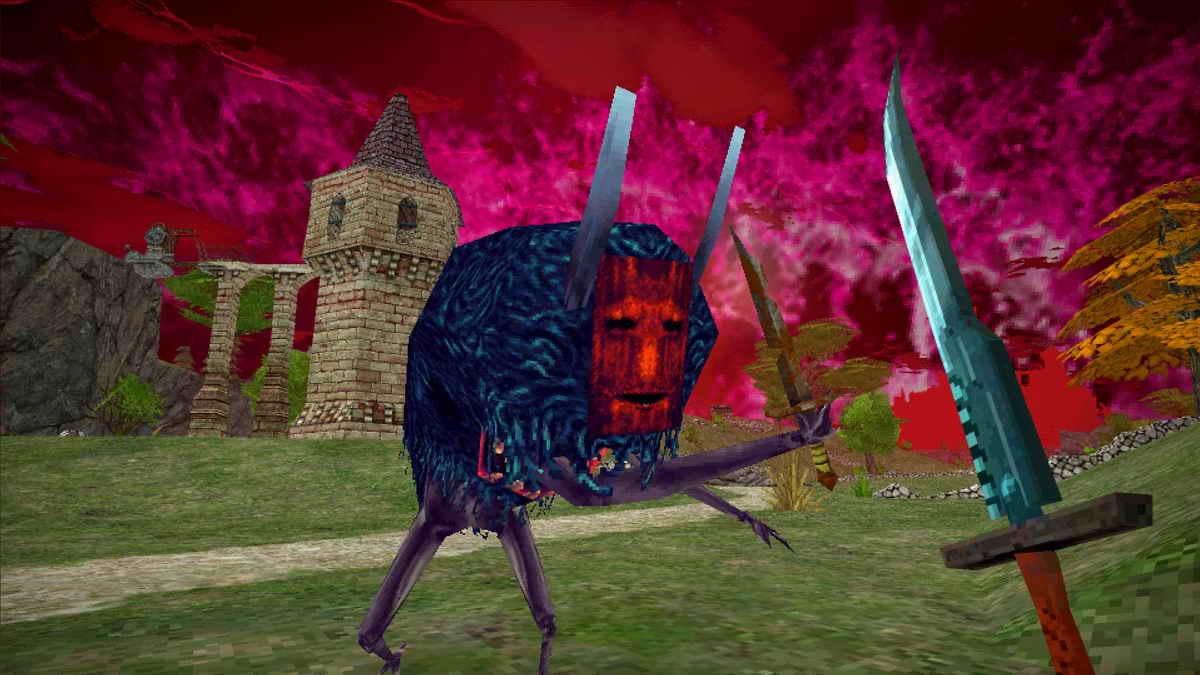
Dread Delusion, developed by Lovely Hellplace and published by DreadXP, presents a surreal, fragmented world where humanity survives on floating landmasses above a cursed surface. Its premise immediately stands out, leaning heavily into a dreamlike form of fantasy that feels equal parts haunting and whimsical. The narrative thrives on player agency, allowing choices to shape not only outcomes but also how players interpret the world itself. While this openness is a clear strength, lending the experience a sense of discovery and personal investment, it can also lead to moments where direction feels vague and objectives lack clarity, especially for those expecting a more structured story.
Gameplay leans into old-school RPG sensibilities, emphasizing exploration, experimentation, and player-driven progression. Combat is only one of several viable approaches, with dialogue, stealth, and stat-based interactions offering meaningful alternatives. This flexibility is one of the game’s defining strengths, encouraging creative problem-solving and roleplaying. However, the systems themselves can feel rough around the edges, with mechanics that lack the refinement and feedback modern players might expect. Inventory management, progression pacing, and moment-to-moment interactions occasionally show their indie roots, which may either charm or frustrate depending on tolerance for jank.
On PlayStation 5, controls translate the experience competently, though not flawlessly. Movement and interaction are generally responsive, but there are occasional stiffness issues, particularly in combat and menu navigation. These limitations become more noticeable during more demanding encounters, where precision and speed matter. Still, the generally slower pace and exploratory focus of the game mitigate some of these concerns, allowing players to settle into its rhythm rather than constantly fight against it.
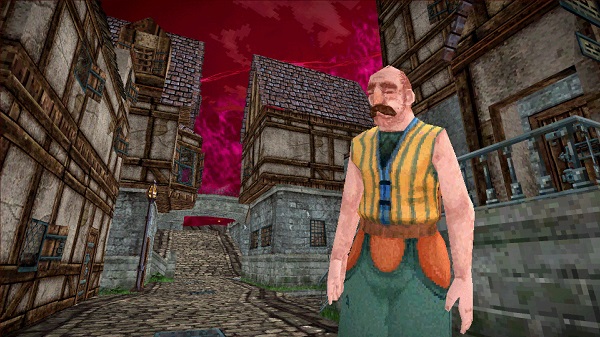
Visually, Dread Delusion embraces a deliberately retro 3D aesthetic reminiscent of early 2000s RPGs, and it uses that style to build a distinctive identity. The low-poly environments and muted color palettes contribute to an otherworldly atmosphere that feels cohesive and memorable rather than dated. Combined with a subtle, often eerie soundscape, the game creates a strong sense of place that supports its themes of decay and wonder. That said, the simplicity of the visuals and occasional technical roughness can break immersion at times. Even so, the overall experience remains compelling thanks to its unique tone and willingness to prioritize imagination over polish, resulting in an RPG that feels refreshingly different despite its imperfections, especially on its new console home.
Unseen Diplomacy 2 review (Quest)
Unseen Diplomacy 2 builds on one of VR’s most inventive core ideas and expands it into a much more fully realised espionage experience. Developed and published by Triangular Pixels, this Meta Quest sequel transforms the original’s experimental premise into a structured campaign where players take on the role of a field agent navigating a global conspiracy. The narrative framing remains relatively light, leaning more on a spy-fi tone than a deeply layered story, but the addition of a world map, mission selection, and investigative elements helps give a stronger sense of progression and purpose than before. That said, the overarching plot can feel secondary to the mechanics, with its stakes mostly serving as context for the physical challenges rather than driving engagement in a meaningful way.
The standout mechanic remains the environmental redirection system, which cleverly maps large virtual spaces onto the player’s real-world play area. It’s a concept that continues to impress, encouraging players to physically crouch, crawl, twist, and sidestep their way through missions in a way that feels uniquely immersive. This physicality is both the game’s biggest strength and its most notable limitation: when the system works well, it creates a convincing sense of presence and flow, but it can also become disorienting or repetitive over longer sessions, especially in smaller play spaces. The addition of optional locomotion and accessibility features broadens its appeal, though these alternatives inevitably dilute some of the original’s tactile magic.
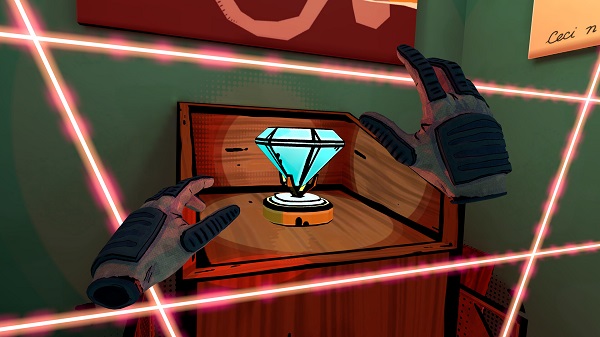
Gameplay variety sees a meaningful boost through the introduction of gadgets, disguises, and procedural mission structures. Players are frequently asked to adapt, whether that means carefully avoiding detection, interacting with environmental puzzles, or managing imperfect tools that can introduce unexpected complications. These systems add tension and unpredictability, though they don’t always reach the same level of depth as the movement mechanics themselves. Enemy behaviours and mission objectives can occasionally feel simplistic, and the procedural elements sometimes lead to familiar patterns emerging despite the intended variability.
Visually, the comic-inspired art style translates well to VR, offering clarity and readability that suits the game’s physical demands, even if it doesn’t push technical boundaries. Environments are varied enough to maintain interest, and the stylisation helps mask some of the hardware’s limitations. Audio design supports the stealth-driven gameplay effectively, with cues that reinforce awareness and tension, though it rarely stands out in its own right. On Meta Quest, performance remains solid, which is crucial for a game so dependent on physical comfort. In the end, Unseen Diplomacy 2 succeeds most when it leans into what makes it different, delivering a physically engaging VR experience that feels unlike anything else, even if its broader systems don’t always evolve at the same pace. Still, there’s plenty here that makes us curious where the series will go from here.
GigaBash – Final Ascension DLC review (PS5)
GigaBash’s Final Ascension DLC builds on the base game’s kaiju-inspired spectacle by shifting focus toward a more character-driven narrative, centering on Gigaman’s long absence and eventual transformation into Gaya Gigaman. The added story chapter leans into tokusatsu-style melodrama, exploring themes of redemption and legacy while tying them to a looming apocalyptic threat in the form of Zargorah. While the premise carries a certain campy charm that fits the game’s tone, the storytelling itself remains fairly straightforward, occasionally feeling more like connective tissue between battles than a deeply engaging narrative arc.
On the gameplay front, the DLC largely sticks to GigaBash’s established formula of chaotic arena brawling, but the introduction of Gaya Gigaman and Zargorah injects some welcome variety. Gaya Gigaman’s moveset emphasizes flashy, high-impact attacks that reward aggressive play, while Zargorah serves as a formidable counterpart with a more imposing presence. These additions feel well-integrated rather than disruptive, though they don’t drastically evolve the core mechanics, meaning returning players will find familiarity more than innovation.
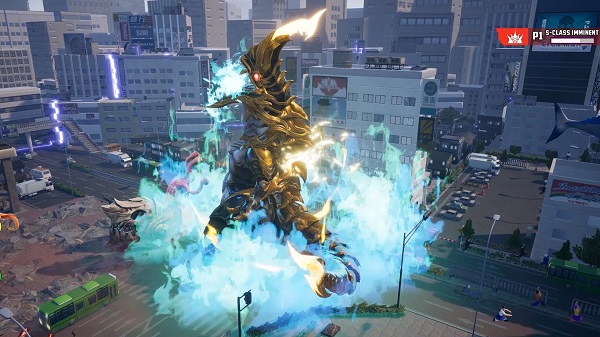
The new maps – Yefan City and Fractured Earth – arguably provide the most tangible sense of expansion. Yefan City stands out with its verticality and layered design, encouraging aerial movement and environmental interaction, while Fractured Earth offers a stark visual contrast with its alien, almost surreal terrain. These arenas add variety both visually and mechanically, though their impact is ultimately constrained by the same underlying combat systems. Visually, the DLC continues GigaBash’s vibrant, larger-than-life aesthetic, with effects-heavy battles and distinct character designs, while the audio complements the action with suitably energetic tracks, even if it doesn’t significantly push beyond what the base game already established.
As an expansion, Final Ascension feels like a focused addition rather than a transformative one. It delivers on fan-requested content – particularly the dedicated Gigaman story – and enhances the roster and arenas in meaningful but incremental ways. For players already invested in GigaBash, this DLC offers more of what works, wrapped in a slightly more narrative-driven package, but those expecting a major evolution of the formula may find it plays things a bit too safely, even if this is the largest addition to date.
 Press Play Media