
Ghost Master: Resurrection marks the return of a cult-classic strategy title, revived by Mechano Story Studio and published by Strategy First, now reimagined for modern platforms like the PlayStation 5. At its core, the game retains its distinctive premise: players take on the role of an unseen orchestrator of hauntings, deploying a roster of ghosts to terrify unsuspecting mortals across a variety of sandbox-style scenarios. It’s a concept that still feels refreshingly original even years later, blending puzzle-solving with management systems in a way few games attempt. While the narrative framing remains relatively light – structured more as a sequence of themed hauntings than a deeply interconnected story – it succeeds in creating a playful, slightly macabre atmosphere that leans into humor as much as horror.
Gameplay remains the heart of the experience, and Resurrection largely succeeds by preserving what made the original so compelling. Each mission functions as a strategic puzzle, requiring careful placement of specters and a keen understanding of how fear chains can escalate across a map. Different ghost types bring unique abilities, encouraging experimentation and layered strategies rather than brute-force solutions. The updated progression systems and additional content – such as new maps and expanded ghost rosters – add meaningful variety, giving returning players fresh scenarios to dissect. However, not all changes land equally well. Some adjustments to balance and encounter design can make certain levels feel more chaotic than methodical, occasionally undermining the sense of control that defined the original.
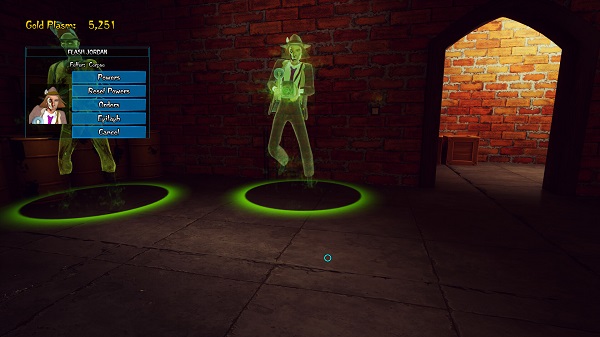
Controls on the PlayStation 5 are generally functional, though not without friction. Translating a traditionally mouse-driven interface to a controller introduces some expected compromises, particularly when managing multiple entities across larger maps – which was also true for the PS2 and Xbox ports back in the day. Navigating menus and issuing precise commands can feel slightly cumbersome, especially during more hectic moments where timing is critical. Camera behavior also introduces occasional frustrations, with sudden shifts or awkward positioning making it harder to maintain a clear overview of unfolding hauntings. These issues don’t render the game unplayable, but they do add a layer of friction that can break immersion during otherwise well-designed scenarios.
Visually, the remake represents one of the most noticeable upgrades. Environments have been reworked with improved textures, lighting, and overall fidelity, bringing locations like asylums and suburban homes to life with a newfound level of detail. While it doesn’t push the boundaries of what the PlayStation 5 can achieve, it delivers a clean and readable presentation that enhances gameplay clarity. The stylized approach helps maintain the series’ quirky identity, though some elements still feel rooted in older design sensibilities. Animations and character models occasionally lack the polish expected of modern releases, reminding players of the game’s legacy origins despite the visual overhaul.
Audio design complements the presentation effectively, leaning into eerie ambience and playful sound cues rather than outright horror. Ghost abilities are accompanied by distinct audio signatures, reinforcing their impact and helping players track events across the map. The soundtrack supports the tone without overpowering it, striking a balance between spooky and whimsical. That said, the audio landscape doesn’t evolve significantly over time, and repetition can set in during longer sessions. It’s functional and fitting, but rarely memorable enough to stand out as a defining feature.
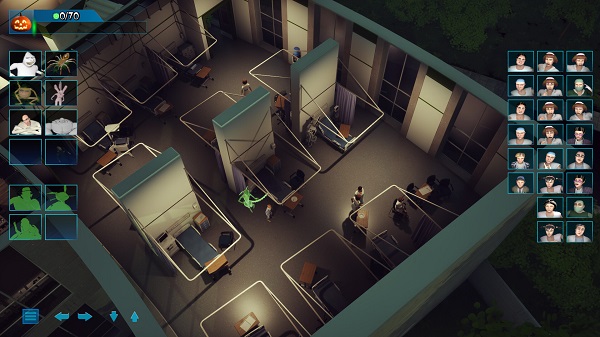
Where Ghost Master: Resurrection encounters its biggest hurdles is in technical consistency. While the remake addresses many legacy issues and generally runs more smoothly than its predecessor, lingering bugs and level-specific glitches persist. Pathfinding problems, NPCs getting stuck, and occasional mission-breaking quirks can disrupt progression and require restarts. These issues are not constant nor are they game-breakers, but they appear enough to be noticeable, particularly in more complex scenarios. Combined with occasional difficulty spikes and puzzles that can feel overly obtuse, the experience can swing between satisfying and frustrating in ways that feel unintended.
Ultimately, Ghost Master: Resurrection is a successful revival that understands the appeal of its source material, even if it doesn’t fully modernize every aspect of the experience. Its unique blend of strategy, puzzle design, and dark humor remains engaging, and the added content alongside visual improvements make it a worthwhile revisit for longtime fans. However, lingering technical issues, control limitations, and some uneven design choices prevent it from feeling like a definitive version. For those with nostalgia for the original – or an interest in unconventional strategy games – it’s easy to recommend with some reservations, though those seeking a fully polished experience may want to wait for further refinements.
Score: 7.1/10
 Press Play Media